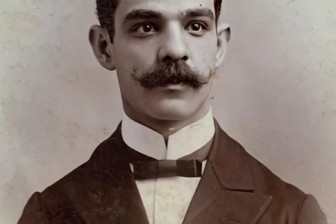
One nineteenth century couple are an early example of an intercultural Muslim marriage. They were Ali and Amy Mokaiesh who...
In the mid-nineteenth century, cotton traders from Beirut settled in Manchester, forming one of the very earliest communities. In 1882, there were 62 Levantine firms in the city, a mix of Muslim Arab, Aremenian, Sephardic Jews and Greeks, all of whom were Ottoman citizens. There was also a smaller distinct group of Moroccan merchants from Fes who were the earliest pioneers. By the end of the nineteenth century, 150 Middle Eastern merchant houses had been established in Manchester. The Moroccans left Manchester in the 1930s, while the Lebanese-Syrian community seem to have dispersed, some back to the Middle East while others follows other parts of their diaspora to countries like America and a few to Africa. By 1975, about 30-35 of the older families remained from this community, most highly assimilated and successful.
According to Fred Halliday, Muslim Arabs formed a minority of this cosmopolitan Ottoman millet. Politically, they leaned towards the Ottomans. They tended to congregate in Didsbury, but also in Moss Side, Hulme and Chorlton. In 1902, they numbered around 50 in total. It was a practice among them to take British wives, some of whom converted to Islam. Recent research by Riordan Macnamara suggests that this millet was more highly integrated than Halliday suggested due in part to these marriage practices.
One nineteenth century couple are an early example of an intercultural Muslim marriage. They were Ali and Amy Mokaiesh who...
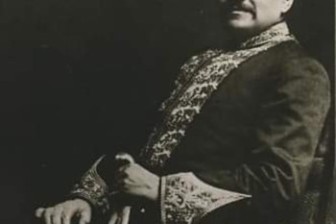
Mustapha Karsa (pictured circa 1900) was born in Damascus in around 1848 to a wealthy landowning family. In 1880-1, Karsa...
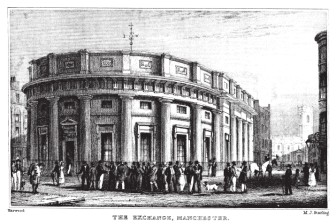
Abdullah Ydlibi [Idlibi] (c.1820-85) came from a family of Arab notables in administration, politics and trade, with branches in Damascus...
Loading please wait