
DocumentaryDirector, producer, editor: Ahmed PeerbuxProducer and editor: Sean Hanif WhyteFilm by Ahmed Peerbux and Sean Hanif Whyte'A documentary about a...
DocumentaryDirector, producer, editor: Ahmed PeerbuxProducer and editor: Sean Hanif WhyteFilm by Ahmed Peerbux and Sean Hanif Whyte'A documentary about a...
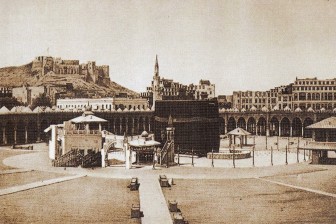
Martin Lings (1909 - 2005), also known Abu Bakr Siraj Ad-Din, was an English writer and Islamic scholar. During the...

Title: My Son the Fanatic (1997)Director: Udayan PrasadWriter: Hanif KureishiProducer: Chris Curling, Jonathan Cavendish, and Nicolas KentStarring: Om Puri, Akbar...

Title: My Beautiful Laundrette (1985)Director: Stephen FrearsWriter: Hanif KureishiProducers: Tim Bevan and Sarah RadclyffeStarring: Gordon Warnecke, Daniel Day-Lewis, Saeed Jaffrey,...
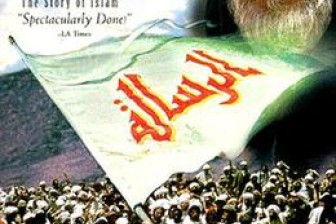
Title: The Message (1976)Director: Moustapha AkkadWriter: H.A.L. Craig (screenplay), Moustapha AkkadProducers: Moustapha AkkadStarring: Anthony Quinn, Irene Papas, Michael AnsaraSummary and...
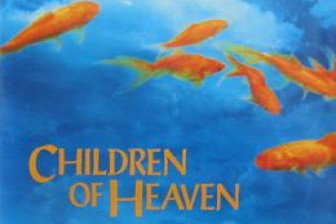
Title: Children of Heaven (1997)Director: Majid MajidiWriter: Majid MajidiProducers: Mohammad EsfandiariStarring: Amir Farrokh Hashemian, Bahare Seddiqi, Mohammad Amir NajiSummary:“Children of...
21 October 1997
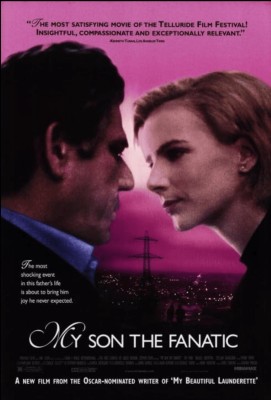
Title: My Son the Fanatic (1997)
Director: Udayan Prasad
Writer: Hanif Kureishi
Producer: Chris Curling, Jonathan Cavendish, and Nicolas Kent
Starring: Om Puri, Akbar Kurtha, Rachel Griffiths, Stellan Skarsgård
Summary:
"My Son the Fanatic," released in 1997, is a thought-provoking British film that delves into the complex, and often conflicting realities of the British Muslim experience. Based on a short story by Hanif Kureishi, who also adapted it into a screenplay, the film explores the generational and ideological tensions between a British Pakistani father and his son as they grapple with their differing visions of identity, faith, and assimilation in 1990s Britain.
Plot Overview:
The story centres on Parvez (played by Om Puri), a Pakistani immigrant who has lived in England for years, embracing British life while maintaining ties to his cultural roots. Parvez works as a taxi driver and has fully adapted to the British way of life. He believes in integration and tolerance, leading him to form unexpected friendships with his passengers, including a German prostitute named Bettina (Rachel Griffiths) and a decadent British businessman (Stellan Skarsgård).
Parvez’s son, Farid (Akbar Kurtha), presents a striking contrast. Initially portrayed as the ideal son, Farid is a hardworking and ambitious young man, but he becomes increasingly disillusioned by what he sees as the moral decay of Western society. His exposure to radical ideas causes him to reject his father’s assimilated lifestyle and embrace a strict, purest form of Islam, viewing it as a return to authenticity and cultural pride. Farid’s transformation shocks Parvez, who sees this as a rejection not only of the West but of the values he has instilled in his son.
Farid’s radicalization brings him into conflict with his father, who watches helplessly as his son’s ideological beliefs spiral into an extreme rejection of the values and freedoms Parvez believes are part of British life. The final rift occurs when Farid disowns Bettina, who has become a close friend of Parvez. This creates a deep moral crisis for Parvez, who must choose between his love for his son and his commitment to his own values of tolerance and understanding.
Filming location:
My Son the Fanatic was primarily filmed in various locations around Bradford, West Yorkshire, in the UK. Bradford, a city with a significant British Pakistani population, was chosen as the setting to reflect the lived realities of British Muslim communities in a culturally diverse urban environment. The choice of location adds authenticity to the film, providing a realistic backdrop that aligns with the story's themes of cultural clash, assimilation, and identity within a British Muslim community.
The British Muslim Experience:
My Son the Fanatic tackles significant themes reflective of the British Muslim experience, including generational conflict, cultural identity, and the allure of radical ideologies for young Muslims seeking meaning and belonging in a society where they feel alienated.
Generational and Cultural Conflicts:
The film portrays the struggle between assimilation and cultural preservation faced by many immigrant families in Britain. Parvez, who has worked hard to establish himself and assimilate, views British society as one of opportunity. In contrast, Farid sees it as morally corrupt, a common sentiment among second-generation British Muslims who may feel disconnected from both their parents’ cultural heritage and the society they live in. This dynamic captures the emotional and cultural tug-of-war often seen in British Muslim families, where younger generations may feel compelled to assert their identity in a more overt, sometimes radical, manner.
Radicalization and the Search for Identity:
Farid’s descent into extremism reflects the vulnerability of young Muslims who, feeling dislocated or misunderstood in a multicultural society, may turn to radical ideologies as a means of asserting their identity and countering perceived discrimination or marginalisation. The film does not offer a simplistic view of Farid’s radicalization; instead, it explores the nuances, showing how identity crises can lead some individuals to adopt radical viewpoints in an attempt to reclaim agency and respect.
Complex Portrayal of Muslim Identity:
Kureishi’s script resists stereotypes, instead presenting a nuanced picture of Muslim identities in Britain. Parvez is portrayed as a warm, caring man who is tolerant and open to diverse lifestyles, yet this very openness creates a chasm between him and his son. Farid, meanwhile, is portrayed sympathetically; he is not evil or inherently fanatical but a young man searching for meaning in a world where he feels disconnected. Their conflict illuminates how complex the British Muslim experience can be, revealing both the struggles of integration and the personal conflicts that arise from divergent worldviews within the same family.
Exploration of Tolerance and Love:
At its core, My Son the Fanatic is a story about tolerance and love. Parvez’s friendship with Bettina reflects his acceptance of difference and his capacity for empathy. However, his son’s rejection of Bettina as immoral speaks to a narrower view of morality and belonging, shedding light on the difficult balance between love and cultural beliefs. Parvez’s ultimate acceptance of Bettina and rejection of Farid’s extremism suggest a commitment to values of compassion and acceptance over strict cultural loyalty, offering a nuanced message about what it means to be both British and Muslim.
Cultural Impact and Relevance:
Since its release, My Son the Fanatic has been recognized for its candid exploration of topics still relevant today, such as cultural assimilation, generational conflict, and the allure of extremism. The film’s portrayal of a family struggling with these issues has resonated with audiences and offers insights into the British Muslim experience for viewers outside the community. It sheds light on the everyday realities of many British Muslims who balance dual identities, while also acknowledging the societal pressures that can lead to extremism among some young individuals.

http://www.screenonline.org.uk/film/id/484175/index.html
The Word and the Bomb (2005) by Hanif Kureishi
https://www.imdb.com/title/tt0119743/?ref_=tt_mv_close
https://www.rogerebert.com/reviews/my-son-the-fanatic-1999
Spotted an issue Report this record
Loading please wait