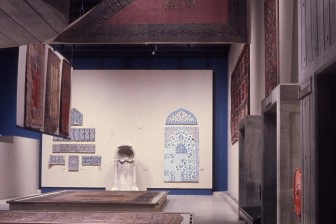
Held in 1976, with the theme of “Unity of Islam”, the festival had more than 6000 objects on display. The...
The exhibitions and various forms of expression that celebrate Muslim arts and heritage. This can be in gallery and museum spaces as well as community focussed appreciation of the artistic practices that encompass the art from the Muslim world.
Held in 1976, with the theme of “Unity of Islam”, the festival had more than 6000 objects on display. The...
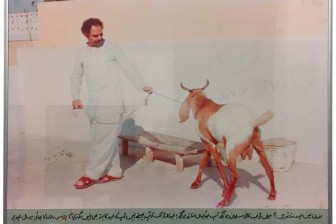
A multidisciplinary artist who has worked with various forms over the years, from performance art to calligraphy, to sculpture, his...
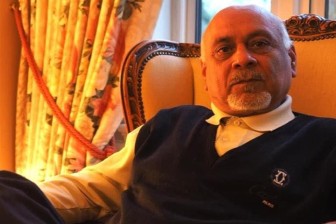
Mahmood Jamal was an author, poet and producer. In 1986, he translated and authored, ‘The Penguin Book of Modern Urdu...
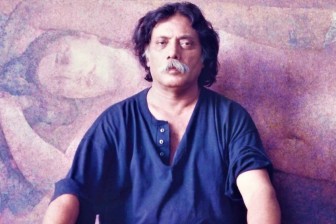
Jamil Naqsh was a British Pakistani artist, a modern expressionist and a traditional miniaturist, whose work revolved heavily around the...
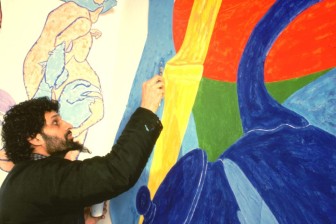
Saleem is an artist and curator who has been practising art since the 1960s to this day. Saleem was born...
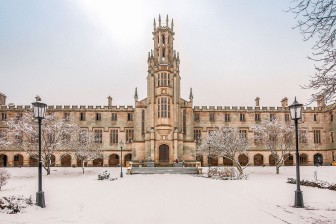
The grandiose building, which was finished in 1843, began life as the Lancashire Independent College, which belonged to the Congregational...
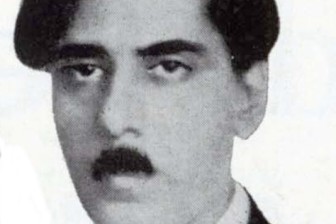
Born on 19th December 1880, in Poona, Samuel Rahamin's family were part of the Bene Israel, a cultivated Jewish community...
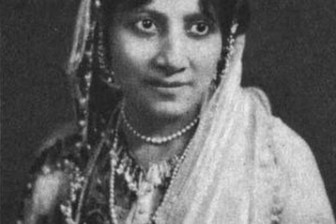
Author, social reformer, and patron of the arts, she was born in Constantinople on 1 August 1877 into the prominent...
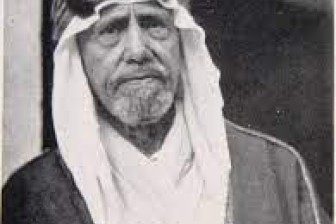
William “Haji” Williamson was an English adventurer who lived a life full of adventure and intrigue, traversing the world. Williamson...
It is extremely important for the younger generation to be aware of the sacrifices made by the early settlers here...
Iqbal Geoffrey was a man of Pakistani origin who travelled to London after being accepted as a legal professional in...
1925
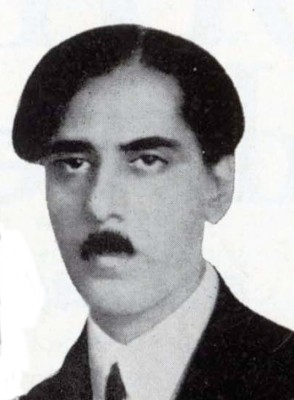

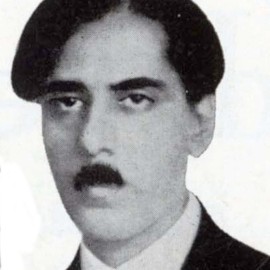
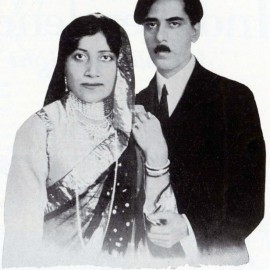
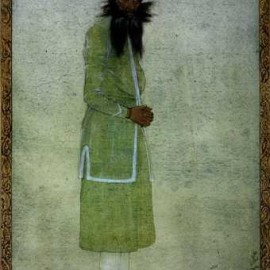
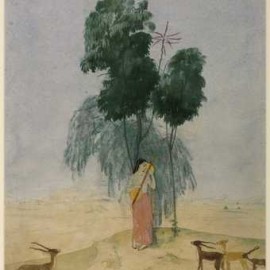
Born on 19th December 1880, in Poona, Samuel Rahamin's family were part of the Bene Israel, a cultivated Jewish community that had had a presence in India for centuries. Rahamin's first note as an artist starts with his enrolment in the Sir J. J. School of Art, in Mumbai.
He was perhaps best known in India for painting two domes of the Imperial Secretariat in New Delhi, but his work is also preserved at Tate Britain and the Manchester City Art Gallery. In 1925, his first work entered the Tate collection, presented by Sir Vincent Sassoon. The painting, Raagni Todi, Goddess Tune, marks the first representation of Fyzee-Rahamin's work in a national art collection in Britain. He is likely the first Muslim artist to enter the collection of the Tate Gallery, and perhaps even the first non-European artist to enter this collection too.
In the late 1930s two of Samuel's plays, Daughter of Ind and Invented Gods, were staged in London with music and choreography by his wife Atiya. Public reception of their artistic endeavours was often no more than lukewarm, particularly in India, but their combined contribution to music, dance, theatre, the visual arts, and literature was considerable.
Spotted an issue Report this record
Loading please wait