Bengali Muslim migration had reached its peak during the 1970s with the influx of people coming from the Sylhet region...
Key
- Building
- Blue plaque
- People
- Walks / Tours / Trails
- Museum and Archive
- Heritage Project
- Organisation or Family History
- Cemeteries & graves
- Academia
- Publication and Articles
- Place
- Digital Resources
- Art & Culture
- Film and TV
- Mosques and Shrines
- Monuments /Memorials
Records posted by: Amirah
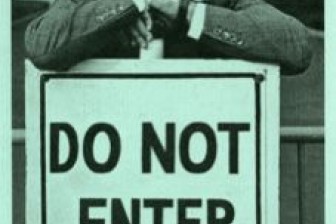
Iqbal Geoffrey was a man of Pakistani origin who travelled to London after being accepted as a legal professional in...
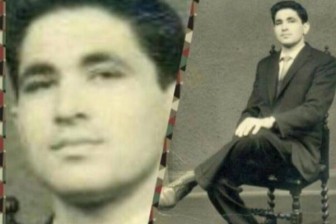
Bahadur Sher was born in Northern Pakistan in 1930 and arrived in the UK in 1961 with the aspiration to...
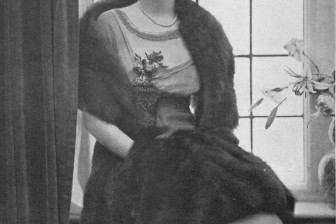
Gladys Milton Palmer was a well known and respected British socialite and heiress who converted to the religion of Islam...
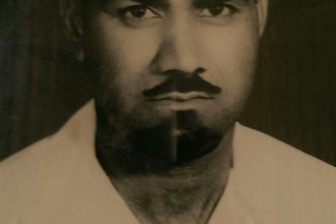
Khurshid Ahmed was a member of the Pakistan navy and in 1964, he arrived in the UK as part of...
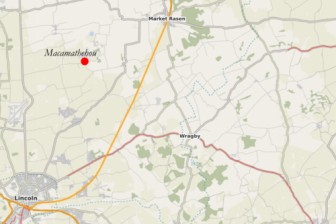
Origins of 'Macamatheou' In 2001, the local name Macamathehou became of interest by Kenneth Cameron, John Field and John Insley...
2001
Macamathehou and the existence of the name Muhammad in Medieval England
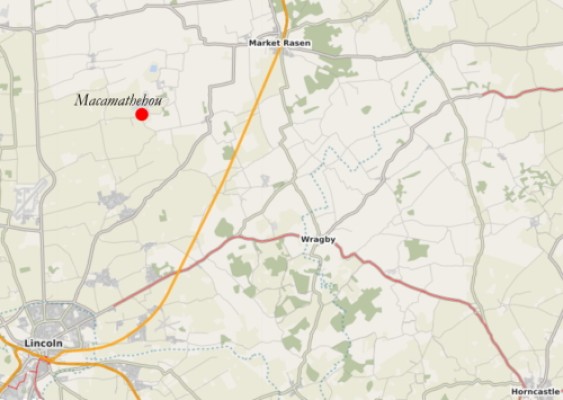
Origins of 'Macamatheou'
In 2001, the local name Macamathehou became of interest by Kenneth Cameron, John Field and John Insley in the Place-Names of Lincolnshire VI (PNL). Within this, they identify two elements of the name, one being Old Norse (the North Germanic language of medieval Norway, Iceland, Denmark and Sweden up to the 14th century) meaning 'mound, or barrow' and the Middle English Macomet/Mecamethe which is said to have derived from the Prophet Muhammad (pbuh).
The name 'Macomet/Mecamethe does not work as a common Middle English name that has derived from the name 'Muhammad/Mahomet', instead it is indicative of the word heathen or pagan idols, which is largely based upon the dominating Christian belief during the 12-14th century, that Muslims worshipped the Prophet Muhammad (pbuh) as a God (an incorrect belief). This conclusion that the name means heathen or idols is one that is supported by PNL who agree with this claim.
Richard Coate argues that in Spridlington Parish, 'Macamatheou' is a name that means 'heathen mound' and there are a multitude of references to 'heathen' barrows which underpin this claim. There are, of course, disputes to this claim, with some people arguing that the name 'Macametheou' could potentially be derived from the name Mahomet/Muhammad as the names relating to the meanings of mounds and barrows were often people who had large estates or land within the area.

Related links
Collections this record belongs to
Sources and Attribution
Cameron, Field and Insley, Place-Names of Lincolnshire VI, p. 211.
Dr Caitlin R Green, 'Macamathehou in Lincolnshire and the evidence for people named Muhammad in medieval England'
Licensing
Spotted an issue Report this record