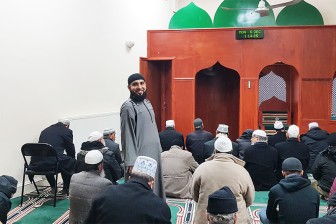
The Bow Muslim Community Centre has been serving the Bow community in Tower Hamlets for over 15 years, providing the...
The Bow Muslim Community Centre has been serving the Bow community in Tower Hamlets for over 15 years, providing the...
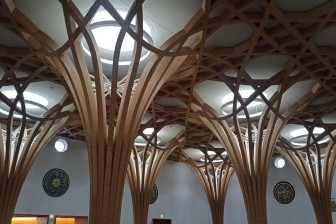
The Cambridge Central Mosque is the first purpose-built eco-mosque in Europe, completed at a cost of £24 million in March...
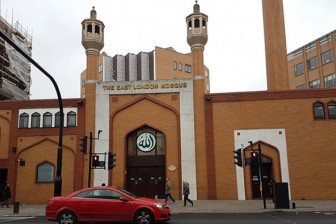
The East London Mosque is London's oldest mosque and one of the largest mosques in Europe. The initial idea for...
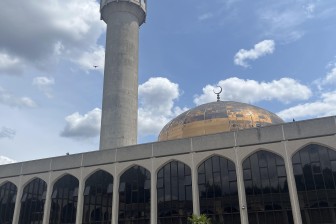
The London Central Mosque, also known as Regent's Park Mosque, was opened on November 1977 costing £6.5 million. The Mosque...
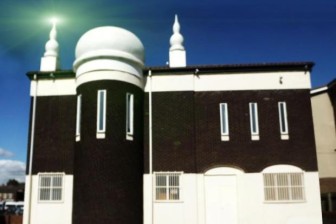
Al Azhar Mosque is in Laygate in South Shields and is known for its cultural diversity. An interesting story surrounds...
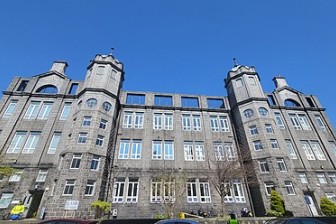
The Aberdeen Mosque and Islamic Centre (AMIC) is the main mosque and Islamic centre in Aberdeen and the north east...
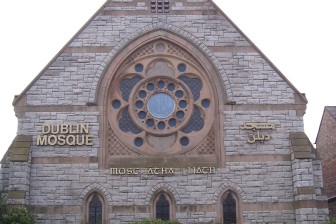
The Islamic Foundation of Ireland (IFI) was formed in 1959 by Muslim students. The society is registered as a Friendly...
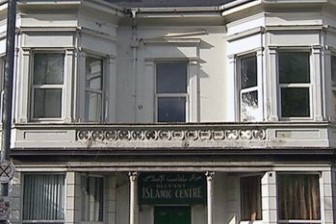
Muslims have been living in Britain and Ireland since Elizabethan times. There have been Muslims in Northern Ireland for well...

Al-Medinah Mosque is a large community based Mosque in the bright and sunny seaside town of Brighton. Founded in 1991,...
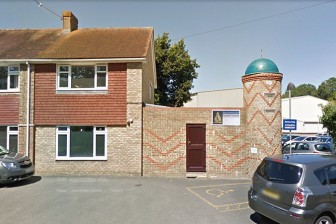
Canterbury Mosque was established in 1977.The name of the religion is Islam, which comes from an Arabic root word meaning...
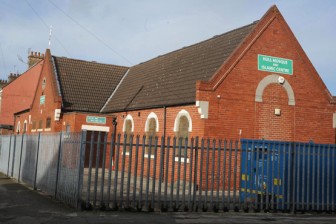
Hull Mosque & Islamic Centre is a branch of the UK Islamic Mission and was established in Hull in 1984. ...
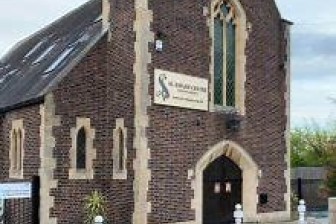
Al-Emaan Centre is run by members of the local community, for the local community. Following the purchase of the century-old...
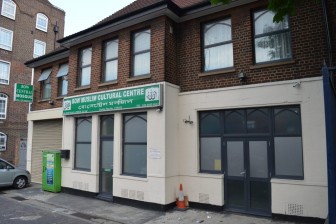
What was previously a pub since 1805 was turned into a mosque that has served Tower Hamlets growing Muslim population...
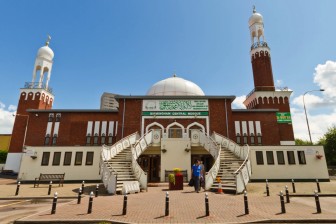
Birmingham Central Mosque, located in Highgate, is one of the UK’s most prominent Islamic institutions and a key hub for...
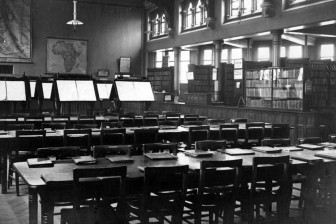
History of the GLMCC BuildingThe GLMCC building is a Grade II listed structure with a rich history dating back to...
The Bangladesh Islamic Centre was founded in the 1980s by the first generation of Bangladeshis to settle in Oxford. Today,...
Founded in 1968, the Bath Street mosque was the first formal site of worship for Oxford's Muslim community, and largely...
This was an Ahmadiyya Mosque established in the 1980s. It was located on Cowley Road, but the precise location is...
Central Oxford Mosque remains one of the largest places of workship for Muslims in the city. The mosque was founded...
A mosque and welfare house opened in 1984 to primarily serve the Deobandi sect of Muslims living in Oxford. The...
November 1977
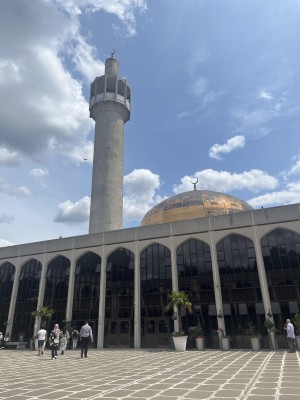

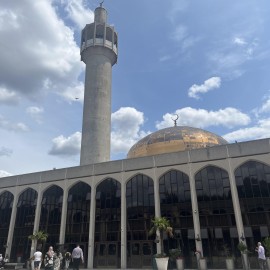
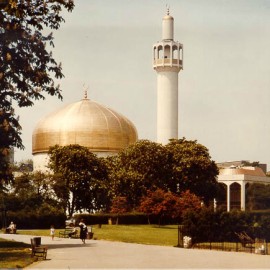
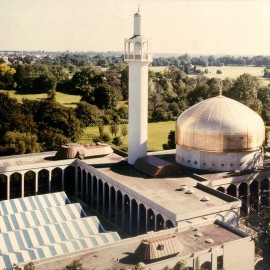
The London Central Mosque, also known as Regent's Park Mosque, was opened on November 1977 costing £6.5 million. The Mosque was opened by King George VI. Efforts to design a mosque in central London began in the 1900s, with Lord Headley, a convert to Islam, being a key figure leading the project. Funding came from several administrations, including King Faisal of Saudi Arabia and Sultan Qaboos of the Sultanate of Oman. Construction was completed three years after the site was acquired by Churchill's War Cabinet, and gifted by the Government to British Muslims as a recognition of the importance of Islam in an increasingly multicultural society.
The mosque was built by John Laing & Son between 1974 and 1977, and designed by Sir Frederick Gibberd, who won an international contest for the mosque's architect. Architecturally, the mosque is a presentation of traditional Islamic designs, with its beauty rooted in its simplicity. It combines architectural traditions of British modernism with historic Islamic forms, a testament to the countries intersecting British and Islamic history. The main building consists of two prayer halls, and the main hall can accommodate over 5,000 male worshippers, with women praying on a balcony overlooking the hall. It is decorated with traditional mosaics. The Mosque has a prominent golden dome, its interior decorated with traditional Islamic shapes, and a 140 ft high minaret. The Mosque consists of an education unit for children, an interfaith department and one of the largest and oldest Islamic reference libraries. It also has an Islamic bookshop and restaurant serving traditional foods.
London Central Mosque has its own journal, Islamic Quarterly, where Muslim and non-Muslim scholars discuss topics relating to Islamic Law, culture and Arts. The journal first started in 1954 by the Islamic Cultural Centre, and continues to provide insight into Islamic history, and is widely published throughout universities and libraries.
The Mosque has been given Grade II* status, a recognition of its historical, cultural and architectural significance. This is a distinguished status as it defines London Central Mosque as having national importance, and warrants special efforts for its preservation.
https://iccuk.org/page2.php?section=about&page=history
https://mosqpedia.org/en/mosque/1127
Photos: Author's and https://www.gibberd.com/projects/london-central-mosque
Spotted an issue Report this record
Loading please wait