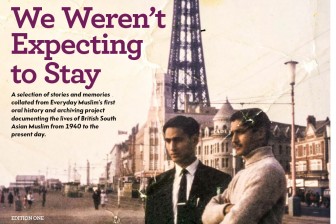
‘We Weren’t Expecting to Stay,’ is Everyday Muslim's first archive collection. The collection consists of; video and audio recordings of...
Everyday Muslim Heritage and Archive Initiative (EMHAI) was established in 2013 to create an archive collection to document and preserve the lived experience of Muslims in the UK.
The archive collection is an ever-expanding collection of video and audio recordings of oral history interviews from Muslims of diverse ethnic backgrounds across the UK. Alongside a wide-ranging depository of approximately 2000 digitised documents and photographs, that provide both a historical and contemporary narrative of the everyday lives and diversity of the UK's Muslim community.
Additionally, the collection contains video footage of conferences, presentations and other events curated by the EMHAI team.
‘We Weren’t Expecting to Stay,’ is Everyday Muslim's first archive collection. The collection consists of; video and audio recordings of...
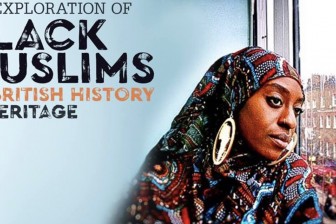
Exploring the Diversity of Black British Muslim Heritage in LondonThis archive is a unique borne digital archive consisting of important...
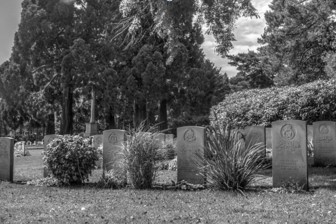
Brookwood Cemetery is a Grade I listed Historic Park & Garden. It was also known as the London Necropolis or...
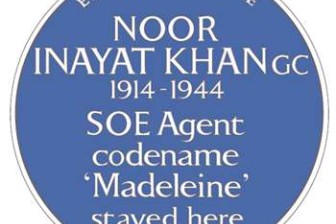
The secret agent Noor Inayat Khan was the first female radio operator to be sent into occupied France during the...
Bengali Muslim migration had reached its peak during the 1970s with the influx of people coming from the Sylhet region...
Iqbal Geoffrey was a man of Pakistani origin who travelled to London after being accepted as a legal professional in...
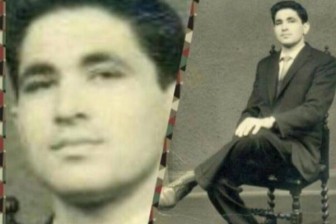
Bahadur Sher was born in Northern Pakistan in 1930 and arrived in the UK in 1961 with the aspiration to...
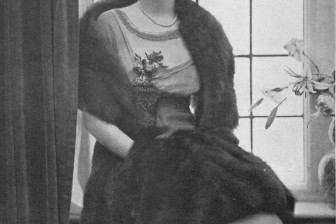
Gladys Milton Palmer was a well known and respected British socialite and heiress who converted to the religion of Islam...
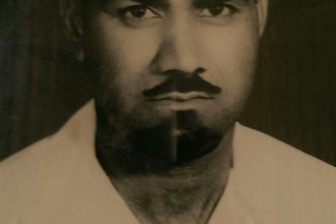
Khurshid Ahmed was a member of the Pakistan navy and in 1964, he arrived in the UK as part of...
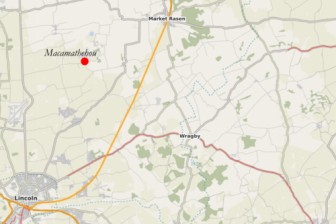
Origins of 'Macamatheou' In 2001, the local name Macamathehou became of interest by Kenneth Cameron, John Field and John Insley...
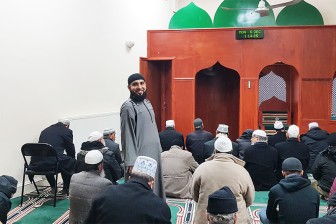
The Bow Muslim Community Centre has been serving the Bow community in Tower Hamlets for over 15 years, providing the...
Photographer, Digital Creator and Writer Hiba Kane founded Fellow People as a way to bring together creatives in the United...
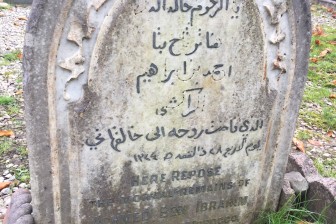
The discovery of the grave in Preston dating from 1906 baffled the Muslims community in Preston — how did a...
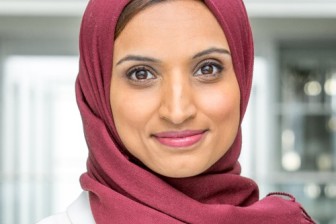
Fatima Manji is an award-winning English television broadcaster and journalist as well as Britain's first hijab-wearing newsreader. Born in Peterborough...
On 12th March 2021, the Whitechapel Gallery celebrated its 120th birthday, celebrating its diverse and inclusive narratives, including that of...
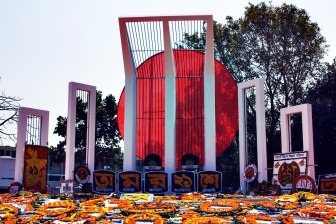
In 1999, a Shaheed Minar (Martyrs’ Monument) was installed in the southwest corner of Altab Ali Park. The monument consists...
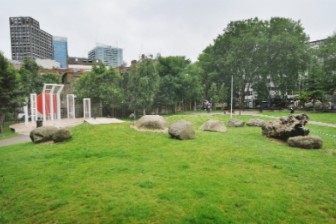
Altab Ali Park can be found on the intersection of Adler Street, White Church Lane and Whitechapel Road. This green...
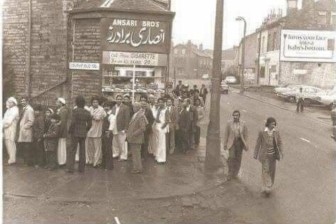
This masjid was established by Pir Maroof Hussain, a local spiritual leader who acknowledged the need for a place of...
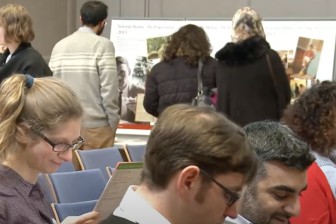
Saturday 31st January 2015 was the date of our inaugural symposium at Bishopsgate Institute in London. The day was packed...
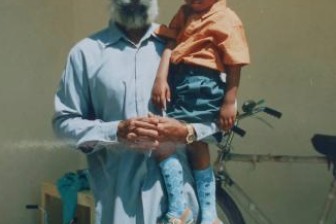
Chanan was born in 1926 in a village near Hoshiarpur. His family owned and farmed the land. He was the...
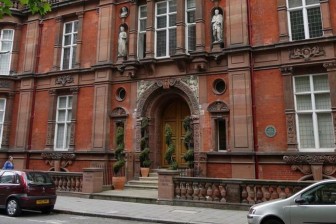
Caxton Hall is a location in which many momentous events occurred, including the assassination of Sir Michael O'Dwyer, the campaign...
The Bangladesh Islamic Centre was founded in the 1980s by the first generation of Bangladeshis to settle in Oxford. Today,...
Founded in 1968, the Bath Street mosque was the first formal site of worship for Oxford's Muslim community, and largely...
EMBS was founded in 1988 as a self-help business service for racialised minority groups in Oxford. One of its founders...
This was an Ahmadiyya Mosque established in the 1980s. It was located on Cowley Road, but the precise location is...
Central Oxford Mosque remains one of the largest places of workship for Muslims in the city. The mosque was founded...
The Oxford Centre for Islamic Studies was founded in 1985 as a centre for the advanced study of Islam and...
A mosque and welfare house opened in 1984 to primarily serve the Deobandi sect of Muslims living in Oxford. The...
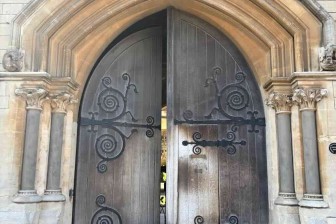
In trying to identify some of the earliest Muslim students to matriculate at the University after the enactment of the...
Founded in 1921, City of Oxford Motor Services Limited was an important site of employment in the 1950s and 1960s...
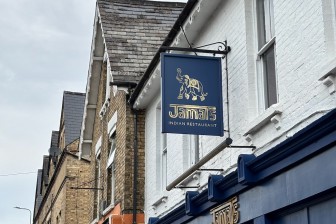
Jamal's Tandoori Restaurant has been a significant place of networking for Muslims across the city. During the 1950s and 1960s,...
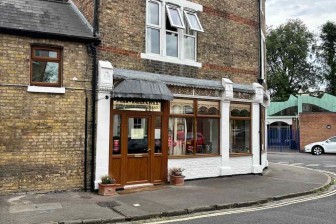
Al Shami restaurant was the site of Oxford's first halal butchers, and was established in the 1960s. Prior to its...
Founded in 1678, the Ashmolean Museum features an Islamic and Middle East Gallery which exhibits a selection of artifacts made...
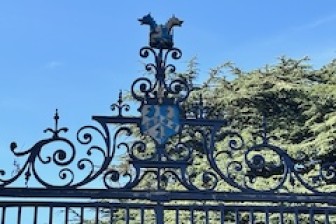
Brothers Wasif Ali and Naseer Ali Mirza became the first racialised minority and Indian students to be enrolled at Trinity...
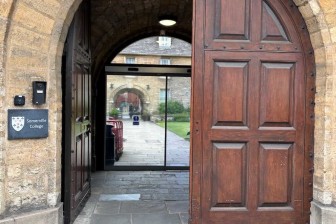
Somerville College houses archival materials related to the Oxford Majlis, which was a student society modeled after the Cambridge Majlis...
An anti-racist organisation founded by University of Oxford students in 1956. Its purpose was "To arouse among members of the...
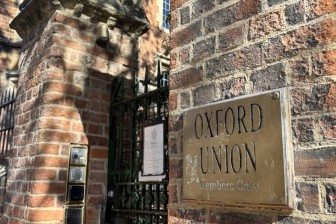
On 3 December 1964, Malcolm X addressed the Oxford Union when he partook in the 'Queen and Country' debate. He...
Lubna Arshad became the first Muslim Lord Mayor of Oxford, May 2023.
Next to the Pitt Rivers Museum is the sire of current Oxford Islamic Society meeting space. There is a rich...
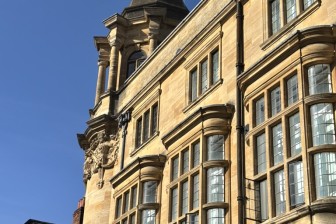
The Oxford Martin School was the sity of of the Oxford Indian Institute, which provided training to Indian civil servants....
Site of the first mixed congregational prayer led by a woman (Prof Amina Wadud) in the UK, 18th October 2008....
The association, which was founded in the 1960s by Sher Afzal Khan, was one of the first of its kind...
A major site of employment which attracted Pakistani Muslims from Sheffield and Bradford. According to the newsreel source linked to...
The UK’s first halal farm, located in Cherwell. In 2002, Lutfi Radwan, a lecturer at the University of Oxford, and...
The Didicot Ordinance Depot at the Vauxhall Barracks, established during the First World War, was a major site of Pakistani...
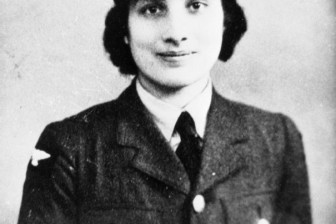
Noor served in the military during World War II who served as a wireless operator for the Special Operations Executive,...
23 February 1952
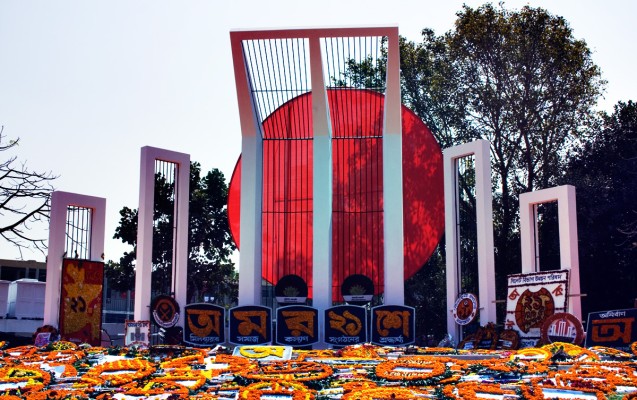

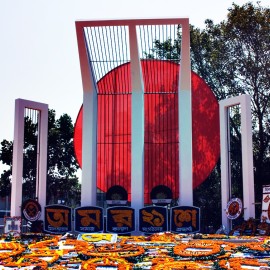
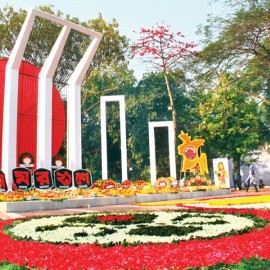
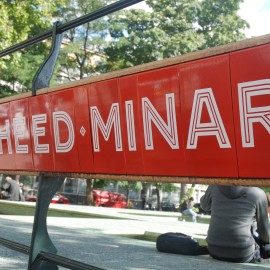
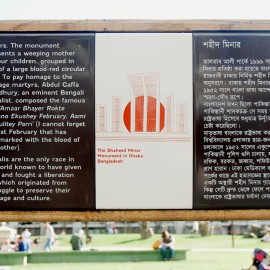
In 1999, a Shaheed Minar (Martyrs’ Monument) was installed in the southwest corner of Altab Ali Park. The monument consists of a semi-circular concrete plinth with five white steel screens, depicting a mother and children, with the mother in the centre bowing her head in front of a blood-red circle. It is a smaller replica of Dhaka’s Shaheed Minar, originally designed by Hamidur Rahman to honour activists of the Bengali language movement who lost their lives in 1952.
After years of requests and petitions, the Whitechapel monument began to be planned in 1996 with contributions from 54 organizations and the assistance of the Council, particularly through Mike Howes, the Acting Head of Leisure. The Free Form Arts Trust, represented by Tim Ward, was commissioned to create a larger version of the monument, which was produced by Arts Fabrications. The Council was responsible for the landscaping and plinth, and the monument was unveiled on February 17, 1999, by Humayun Rashid Choudhury, Speaker of the Bangladeshi Parliament. Another copy of the Dhaka monument was made in Oldham between 1996 and 1997.
The Language Movement marked the first act of nationalism in Bangladesh and ignited a sense of national consciousness amongst the people. In February 1999, the United Nations recognised the Language Movement by declaring 21st February as International Mother Language Day. This day is observed globally to recognise the sacrifices of the Bengali language martyrs who laid down their lives for establishing the rightful place of Bengali language. A remembrance ceremony takes place at Altab Ali Park every year on 20th February at midnight, known as "Ekushey February" in Bengali translating to the 21st February.
The Shaheed Minar is of great importance to the British Bengali community as it recognises and celebrates their cultural roots and linguistic heritage. It upholds the image of the Bengali language in the UK.
Tower Hamlets London Borough Council.
Tower Hamlets Local History Library & Archives, TH/9360/L/THL/G/2; P/MIS/361: Historic England, GLHER MLO3933: Kenneth Leech, Brick Lane 1978: the events and their significance, 1980: Ansar Ahmed Ullah and John Eversley, Bengalis in London’s East End, 2010, pp.53–4, 90–1
Spotted an issue Report this record
Loading please wait