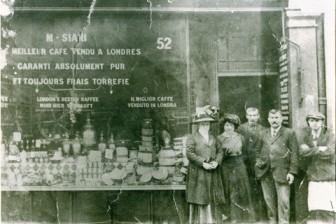
Built in 1887, Algerian Coffee Stores is one of London's oldest existing Cafes. Opened by Algerian Muslim, Mr Hassan, this...
Built in 1887, Algerian Coffee Stores is one of London's oldest existing Cafes. Opened by Algerian Muslim, Mr Hassan, this...
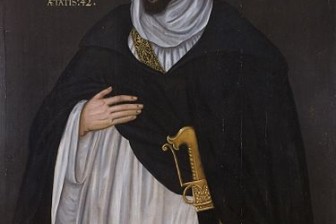
Abd el-Ouahed ben Messaoud was the ambassador to the court of Queen Elizabeth I and was responsible for establishing trade...
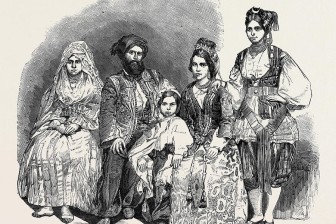
In 1851 the family of Algerian Soldier Yousoff Ben Ibrahim was put on display as a part of an exhibition...
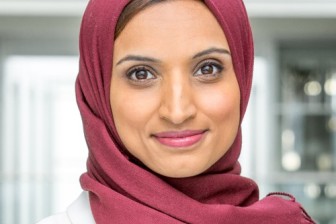
Fatima Manji is a British television journalist and newsreader who became Britain's first hijab-wearing TV newsreader in March 2016. Her...
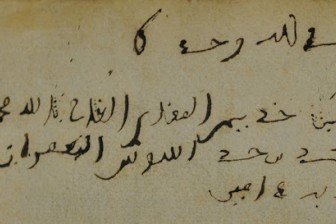
This was entered on 4 March 1682 by the then Moroccan Ambassador, Mohammed bin Hadou, who had been sent to...
Eternal Gardens was launched in 2013 to provide a dedicated Muslim Cemetery for the South East community. Their mission is...
Ebrahim College was established in 2003 as a Darul Uloom style seminary appropriate for the modern world. The aim was...
CIRE is a London-based research centre dedicated to research that will inform Islamic thought, Islamic sciences and Islamic education. It...
Al-Salam Institute was established in Oxford (UK) in 2006 in order to provide students and working professionals with the opportunity...
iMasjid Live is an online streaming platform for Masaajids and Islamic radio stations. iMasjid Live has been built to provide...
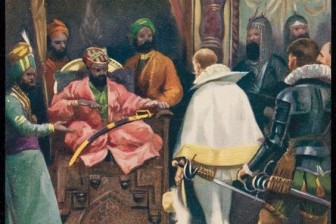
Akbar the Great was the third and most powerful Mughal Emperor of India, ruling from 1556 to 1605. Queen Elizabeth...
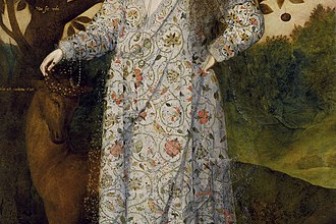
Aura Sultana was a young Central Asian Slave girl of Tatar origin. She had been purchased by English explorer, Anthony...
Deaf Muslim UK (DMUK) is a registered charity committed to improving access to Islam for the Deaf community. It provides...
Al Isharah is a deaf services provider whose focus is to provide education, overall inclusion and equality through a number...
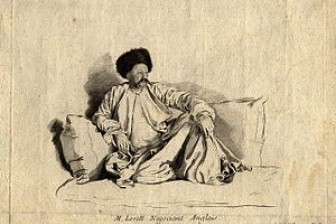
This portrait depicts Francis Levett a "Turkey Merchant", (Member of the Levant Company) of the city of London. In partnership...
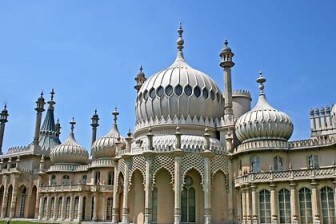
The Royal Pavilion, also known as the Brighton Pavilion, is a historic Grade I listed former royal residence situated in...
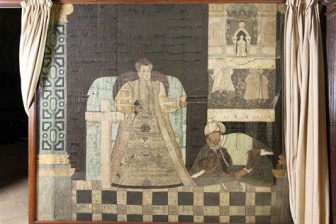
Commissioned by Bess of Hardwick, the sixteenth-century, 'True Faith and Mahomet' embroidery reflects both the friendly trading relationship between Elizabeth...
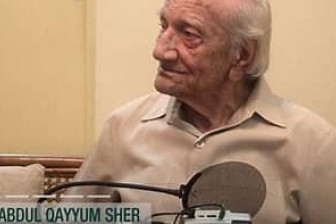
Abdul Qayyum Sher was born in Kohat in 1921. This city is now in the Khyber Pakhtunkhwa province of Pakistan,...
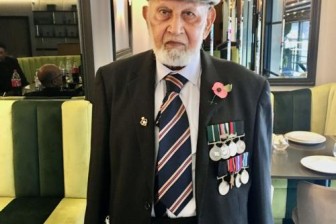
Colonel Mohammad Ghani joined the British Indian Army in 1940. He was in a Punjab Regiment and after finishing his...
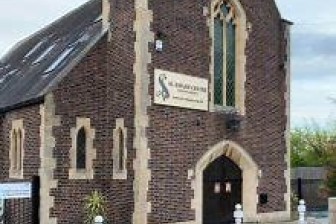
Al-Emaan Centre is run by members of the local community, for the local community. Following the purchase of the century-old...
'Following the review of thousands of Mosques all over the globe for the past 20 years, our CEO Shaukat Warraich ...
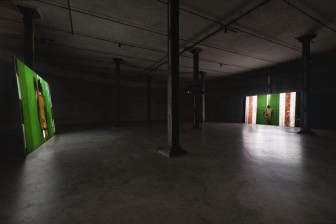
A Tate Modern Exhibition exploring the Israel/Palestine conflict.ABRAHAM ABRAHAM SARAH SARAH was filmed in subterranean chambers in Al-Khalil, or Hebron,...
The B3FG was formed in 2016 through a culmination of a series of discussions with people from the three Abrahamic...

'Quiz Show: Increase your knowledge of Islam while having loads of fun with your family and friends. Conquer all pillars...
A Research Briefing commissioned by the House of Lords to look into Islamophobia within the UK.'In the context of recent...
4 March 1682

-thumb.jpg)
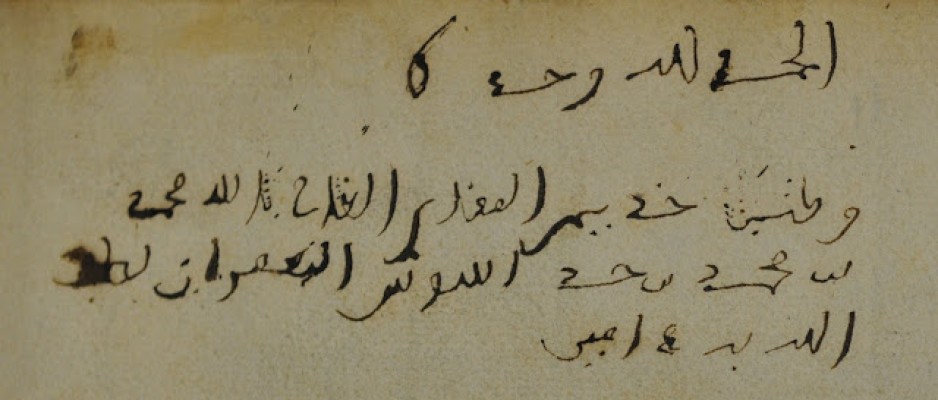
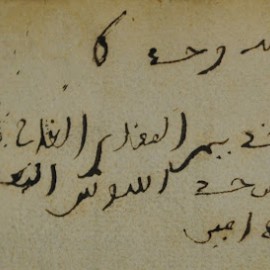
This was entered on 4 March 1682 by the then Moroccan Ambassador, Mohammed bin Hadou, who had been sent to England by the Moroccan ruler Moulay Ismail ibn Sharif. Mohammed bin Hadou arrived In England on the 29 December 1681 and left on 23 July 1682, so was about half way through his diplomatic visit when he visited Lincoln's Inn. The image below shows the entry in the Golden Book and has been roughly translated as ‘Praise be to God alone! Written by the servant of the wise, the pilgrim to God, Muhammad the son of Muhammed the son of Haddu, belonging to Sus, the Bahamwani. May God be gracious unto him! Amen’.
Contemporary sources suggest that although bin Hadou was courteous, well received and popular, his English language abilities were not very good and he had to have a secretary and translator (who were one and the same person) with him for the duration of his visit. A second signature on the same page as bin Hadou’s, which does not correspond with the translation of the name given in the Arabic signature, certainly suggests he had his secretary and translator with him when he visited the Inn. A secretary and translator would have to be able to speak and write English so it is perhaps not surprising that his signature is written in Roman script as opposed to Arabic. It is not the clearest hand, but the name possibly reads as ‘Alhash Mahamad Lacos Abençerahe’.
Lincoln's Inn archives, 4th March 1682
March 2016 - The Moroccan Ambassador - Lincoln's Inn (lincolnsinn.org.uk)
Spotted an issue Report this record
Loading please wait