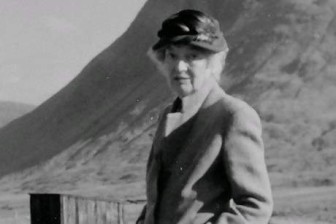
Lady Evelyn Cobbold, a Scottish convert to Islam, died in Inverness. Specifically, on her estate in Glencarron, Wester Ross, in...
Lady Evelyn Cobbold, a Scottish convert to Islam, died in Inverness. Specifically, on her estate in Glencarron, Wester Ross, in...
Bengali Muslim migration had reached its peak during the 1970s with the influx of people coming from the Sylhet region...
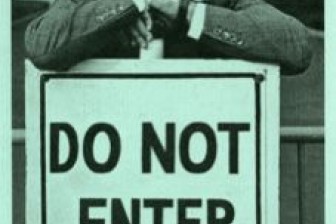
Iqbal Geoffrey was a man of Pakistani origin who travelled to London after being accepted as a legal professional in...
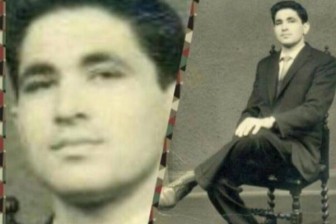
Bahadur Sher was born in Northern Pakistan in 1930 and arrived in the UK in 1961 with the aspiration to...
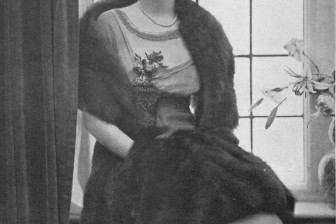
Gladys Milton Palmer was a well known and respected British socialite and heiress who converted to the religion of Islam...
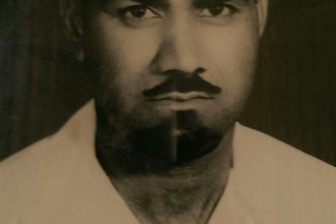
Khurshid Ahmed was a member of the Pakistan navy and in 1964, he arrived in the UK as part of...
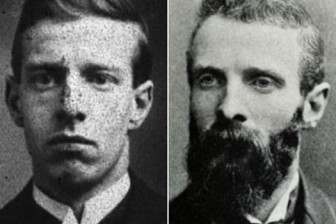
Fatima Elizabeth Cates (1865-1900) lived at "Granada", Victoria Road, in the town of West Kirby on the western side of...
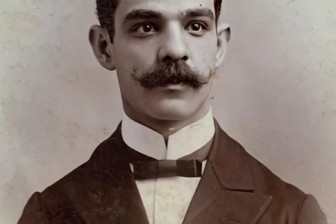
One nineteenth century couple are an early example of an intercultural Muslim marriage. They were Ali and Amy Mokaiesh who...
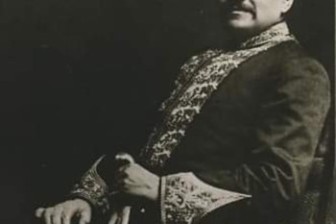
Mustapha Karsa (pictured circa 1900) was born in Damascus in around 1848 to a wealthy landowning family. In 1880-1, Karsa...
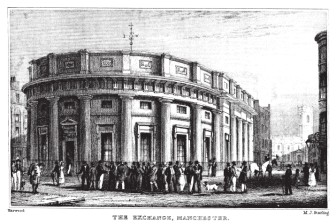
Abdullah Ydlibi [Idlibi] (c.1820-85) came from a family of Arab notables in administration, politics and trade, with branches in Damascus...

Photographer, Digital Creator and Writer Hiba Kane founded Fellow People as a way to bring together creatives in the United...
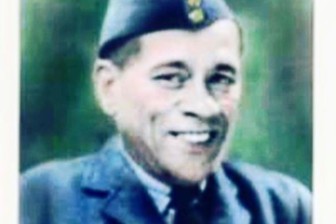
He was born in 1905 in Sylhet (formerly India, now Bangladesh) and was the son of Muhammad Cassie Ali and...
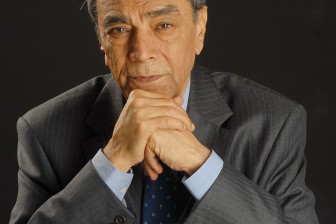
Zia was a British-Pakistani thespian and truly a jack of all trades as he juggled acting, direction and broadcasting. Having...
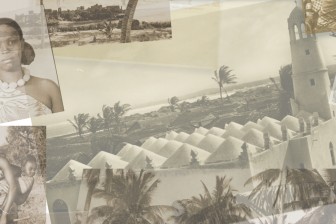
History: During the 1800s, Yemen was utilised by Britain as a layover point on the route to India, and a...
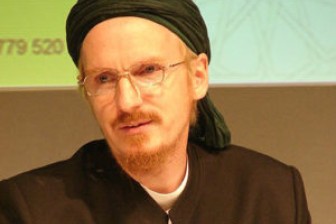
Abdal Hakim Murad is an English academic, theologian and Islamic scholar. His work includes publications on Islamic theology, modernity, and...
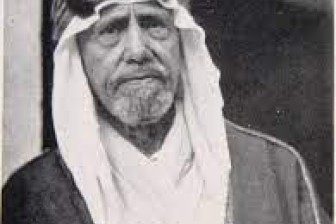
William “Haji” Williamson was an English adventurer who lived a life full of adventure and intrigue, traversing the world. Williamson...
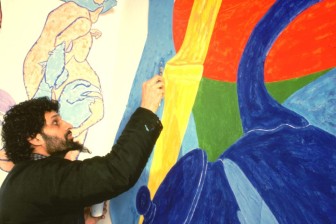
Saleem is an artist and curator who has been practising art since the 1960s to this day. Saleem was born...
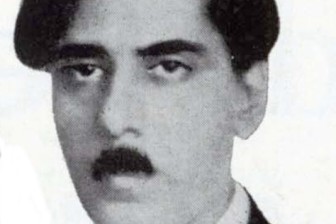
Born on 19th December 1880, in Poona, Samuel Rahamin's family were part of the Bene Israel, a cultivated Jewish community...
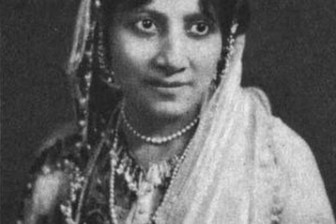
Author, social reformer, and patron of the arts, she was born in Constantinople on 1 August 1877 into the prominent...
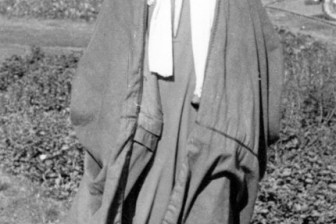
Martin Lings was an English writer, Islamic scholar, and philosopher and an authority on the work of William Shakespeare. He...
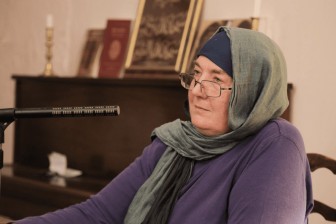
Aisha Bewley has been – and continues to be – a world-renowned and accomplished translator of classical Islamic literature. After...
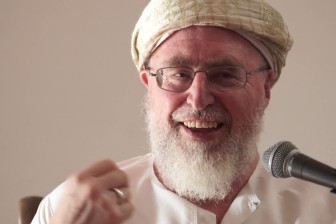
Muhammad Isa Waley is a British editor, translator, and researcher specializing in the literature of Muslim spirituality in Arabic, Persian,...
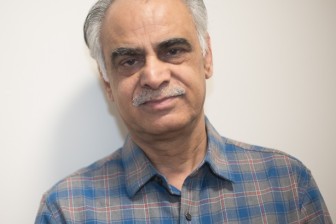
Ziauddin Sardar is a British-Pakistani scholar, award-winning writer, cultural critic and public intellectual who specialises in Muslim thought, the future...
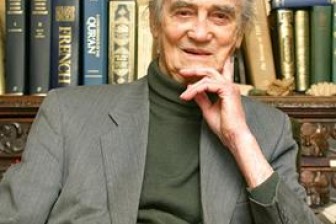
Gai Eaton, born Charles Le Gai Eaton, also known as Hasan le Gai Eaton or Hassan Abdul Hakeem, was born...
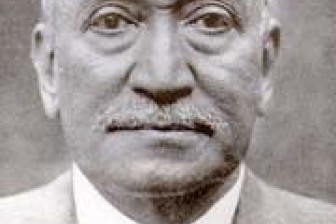
Abdullah Yusuf Ali, born on April 14, 1872, in Bombay, British India (present-day Mumbai, India), was a renowned Islamic scholar,...
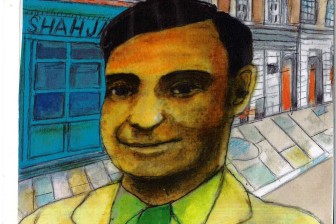
Ayub Ali was born 1st January in 1880, (precise date of birth unknown) in Sylhet, Bangladesh, then a part of...
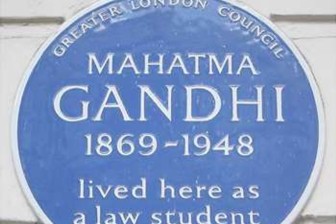
Mohandas Karamchand Gandhi born 2nd of October 1869, more commonly known as Mahatma Gandhi, was born in Porbandar, Kanthiawar, India....
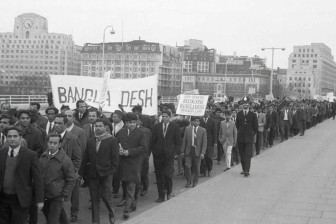
Millions of souls Nineteen seventy onehomeless on Jessore Road under the Gray sunA million dead, the millions who canWalk toward...
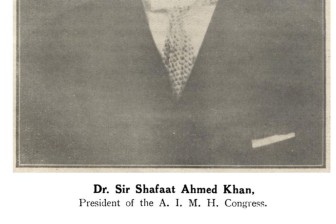
The India Round Table Conferences were a series of 3 talks between 1930-1932. The purpose of these talks was to...
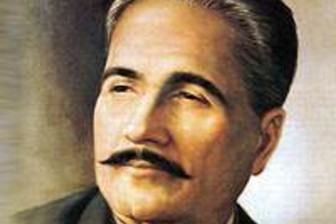
Allama Iqbal is widely considered one of the ideological founding figures of Pakistan and also holds the status of national...
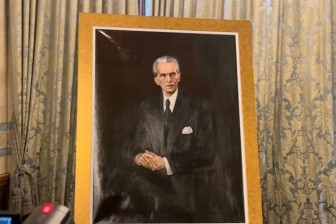
Muhammad Ali Jinnah (1876-1948), also revered as Quaid-i-Azam (Great Leader), was a barrister and politician who played a pivotal role...
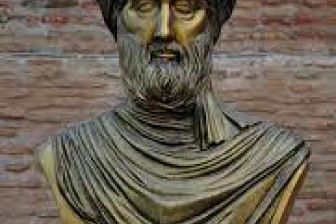
Abd Ar Rahman bin Muhammed ibn Khaldun (1332 – 1406) is considered the Muslim father of Sociology. His contributions to...
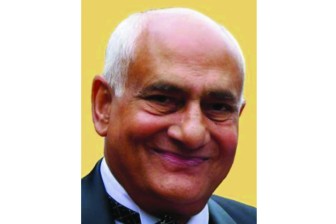
Khurshid Drabu CBE was the first British Muslim Judge who served in the Immigration and Asylum Tribunal.he came to England...
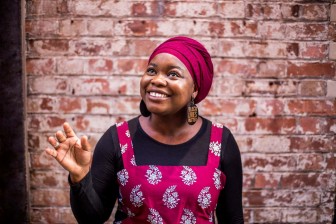
Dr Azeezat Johnson was a brilliant mind. She was a lecturer at Queen Mary University and a member of the...
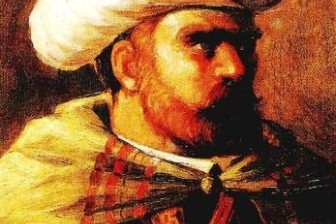
John Ward or Birdy, also known as Jack Ward or later as Yusuf Reis, was born in Faversham he originally...
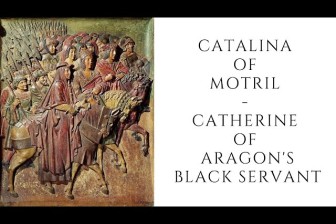
Catalina of Motril was an enslaved servant to Queen Katherine of Aragon, Henry VIII’s first wife. She might have held...
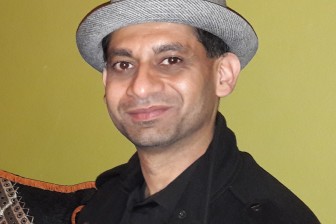
Asif Shakoor is an independent researcher. He grew up in Manor Park and studied at the University of East London....
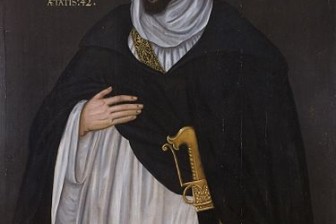
Abd el-Ouahed ben Messaoud was the ambassador to the court of Queen Elizabeth I and was responsible for establishing trade...
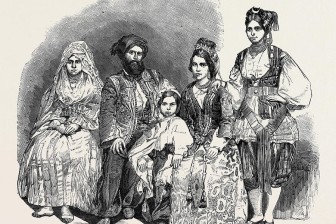
In 1851 the family of Algerian Soldier Yousoff Ben Ibrahim was put on display as a part of an exhibition...
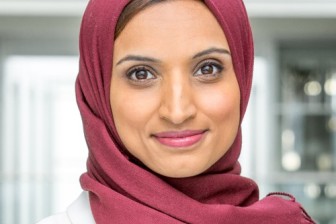
Fatima Manji is a British television journalist and newsreader who became Britain's first hijab-wearing TV newsreader in March 2016. Her...
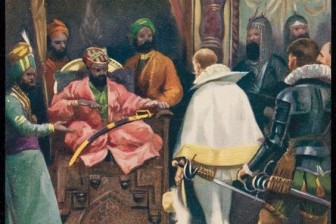
Akbar the Great was the third and most powerful Mughal Emperor of India, ruling from 1556 to 1605. Queen Elizabeth...
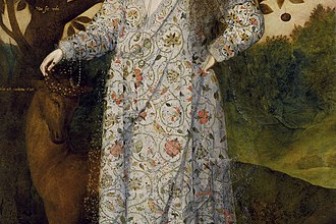
Aura Sultana was a young Central Asian Slave girl of Tatar origin. She had been purchased by English explorer, Anthony...
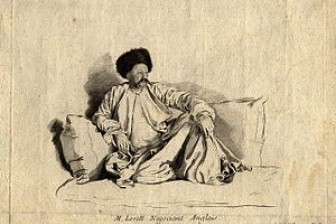
This portrait depicts Francis Levett a "Turkey Merchant", (Member of the Levant Company) of the city of London. In partnership...
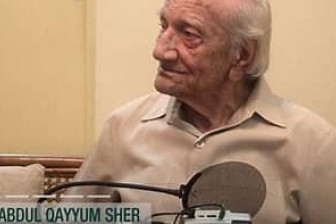
Abdul Qayyum Sher was born in Kohat in 1921. This city is now in the Khyber Pakhtunkhwa province of Pakistan,...
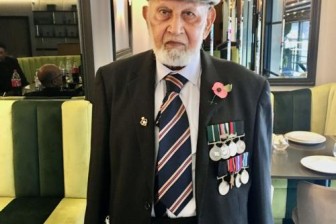
Colonel Mohammad Ghani joined the British Indian Army in 1940. He was in a Punjab Regiment and after finishing his...
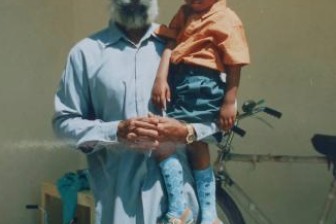
Chanan was born in 1926 in a village near Hoshiarpur. His family owned and farmed the land. He was the...
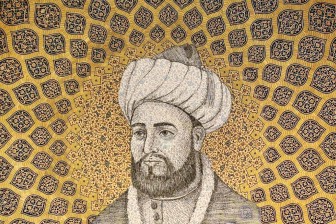
Imam al-Ghazali (1057-1111), honoured with the title of "Hujjatul Islam" or "Proof of Islam," was a renowned Islamic scholar and...
Lubna Arshad became the first Muslim Lord Mayor of Oxford, May 2023.
The association, which was founded in the 1960s by Sher Afzal Khan, was one of the first of its kind...
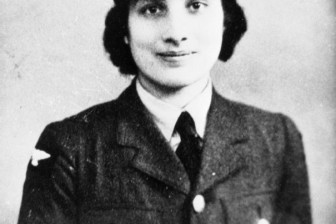
Noor served in the military during World War II who served as a wireless operator for the Special Operations Executive,...
1377
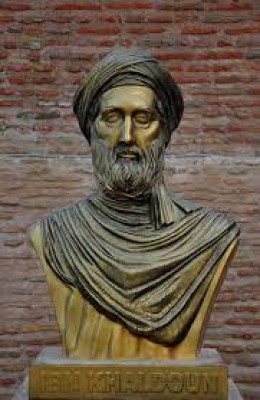

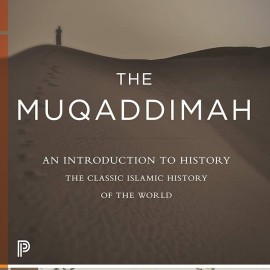
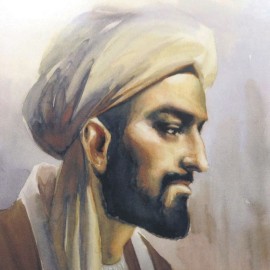
Abd Ar Rahman bin Muhammed ibn Khaldun (1332 – 1406) is considered the Muslim father of Sociology. His contributions to the Social Sciences prove to be significant through his many pieces of work, his most famous being The Muqaddimah, an introduction to history, in 1377. It depicts the Islamic history of the world and presents Ibn Khaldun’s main philosophy on social cohesion. The text seeks an explanation rather than solely describing events, and, in doing so, Khaldun discovers a pattern in the changes that occur in man’s political and social organisation. Khaldun discusses the concept of ‘asabiyyah’, meaning solidarity, in that society can flourish if they share a common ‘group feeling.’ Human beings need to cooperate, that is, live in a society where they share permanent relationships with each other through a division of labour. The neologism 'asabiyyah' permeates through Khaldun's work, and acts as a thread which ties his theories together scientifically.
The Muqaddimah is one of the first pieces of empirical research, where Khaldun used history as a form of data collection, excising myth and rumour. His theories are discussed through rational and scientific means, thus he is said to be the first scholar to take such an empirical approach. In taking a decolonised approach to the Social Sciences, we find that Muslim academics like Ibn Khaldun have been at the forefront of providing academic insights from the 14th century, significantly earlier than the Western academics we typically associate such insights with. While credit has been given to scholars like Vico (1668-1744) and Montesquieu (1689-1755), Italian and French respectively, we understand that Khaldun was the first scholar to study history like the sciences, using observation, criticism, comparison and research.
Khaldun discussed many areas which remain of interest to academics today, including his theory on social conflict, nomadic versus sedentary lifestyles, and his description of political economy. His work remains valuable today in understanding social cohesion, as he discussed that “civilization and its well-being, as well as business prosperity, depend on productivity and people’s efforts in all directions in their own interest and profit”. He remains a paradigm in understanding the wide scope of the Social Sciences, both its past and future.
Ibn Khaldun [F. Rosenthal] (2015) The Muqaddimah: An Introduction to History. Princeton: Princeton University Press
https://philosophynow.org/issues/50/Ibn_Khaldun_and_the_Philosophy_of_History
Spotted an issue Report this record
Loading please wait