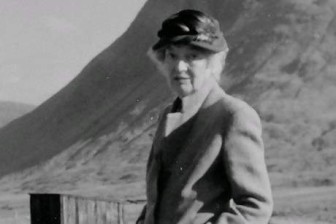
Lady Evelyn Cobbold, a Scottish convert to Islam, died in Inverness. Specifically, on her estate in Glencarron, Wester Ross, in...
Lady Evelyn Cobbold, a Scottish convert to Islam, died in Inverness. Specifically, on her estate in Glencarron, Wester Ross, in...
Bengali Muslim migration had reached its peak during the 1970s with the influx of people coming from the Sylhet region...
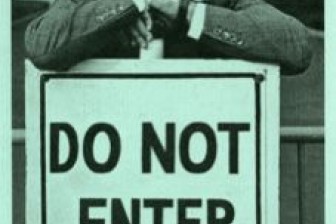
Iqbal Geoffrey was a man of Pakistani origin who travelled to London after being accepted as a legal professional in...
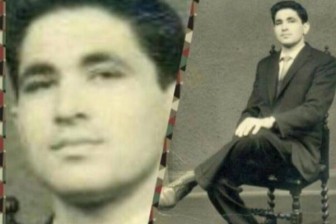
Bahadur Sher was born in Northern Pakistan in 1930 and arrived in the UK in 1961 with the aspiration to...
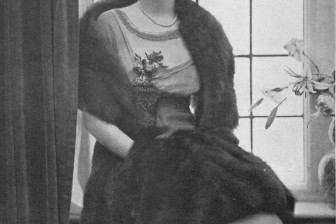
Gladys Milton Palmer was a well known and respected British socialite and heiress who converted to the religion of Islam...
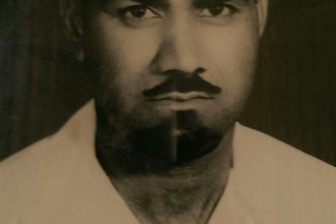
Khurshid Ahmed was a member of the Pakistan navy and in 1964, he arrived in the UK as part of...
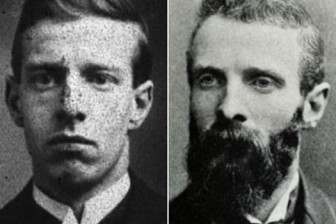
Fatima Elizabeth Cates (1865-1900) lived at "Granada", Victoria Road, in the town of West Kirby on the western side of...
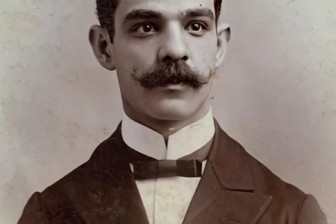
One nineteenth century couple are an early example of an intercultural Muslim marriage. They were Ali and Amy Mokaiesh who...
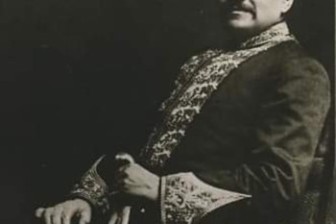
Mustapha Karsa (pictured circa 1900) was born in Damascus in around 1848 to a wealthy landowning family. In 1880-1, Karsa...
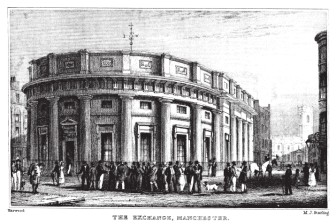
Abdullah Ydlibi [Idlibi] (c.1820-85) came from a family of Arab notables in administration, politics and trade, with branches in Damascus...
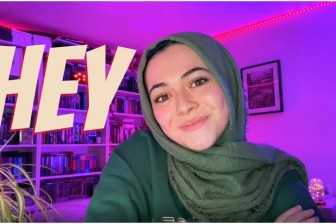
Photographer, Digital Creator and Writer Hiba Kane founded Fellow People as a way to bring together creatives in the United...
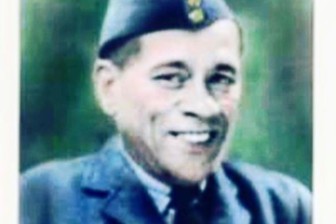
He was born in 1905 in Sylhet (formerly India, now Bangladesh) and was the son of Muhammad Cassie Ali and...
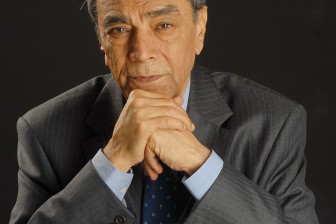
Zia was a British-Pakistani thespian and truly a jack of all trades as he juggled acting, direction and broadcasting. Having...
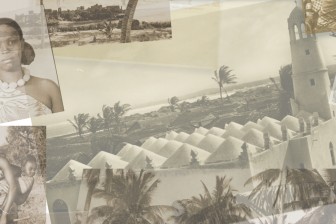
History: During the 1800s, Yemen was utilised by Britain as a layover point on the route to India, and a...
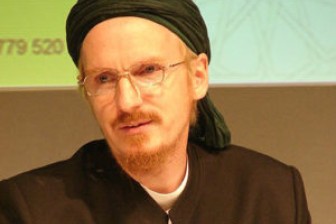
Abdal Hakim Murad is an English academic, theologian and Islamic scholar. His work includes publications on Islamic theology, modernity, and...
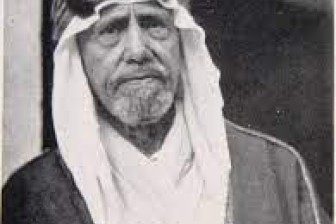
William “Haji” Williamson was an English adventurer who lived a life full of adventure and intrigue, traversing the world. Williamson...
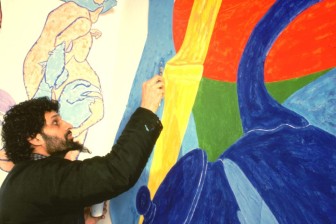
Saleem is an artist and curator who has been practising art since the 1960s to this day. Saleem was born...
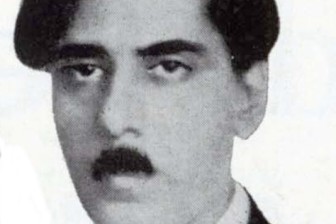
Born on 19th December 1880, in Poona, Samuel Rahamin's family were part of the Bene Israel, a cultivated Jewish community...
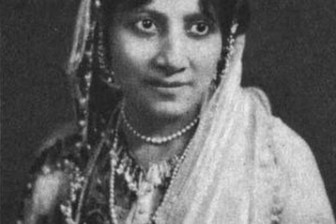
Author, social reformer, and patron of the arts, she was born in Constantinople on 1 August 1877 into the prominent...
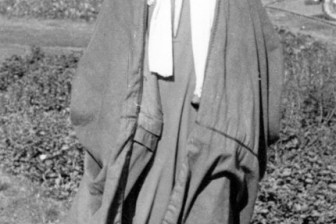
Martin Lings was an English writer, Islamic scholar, and philosopher and an authority on the work of William Shakespeare. He...
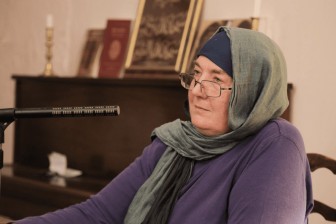
Aisha Bewley has been – and continues to be – a world-renowned and accomplished translator of classical Islamic literature. After...
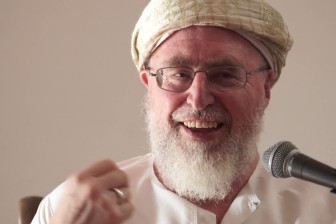
Muhammad Isa Waley is a British editor, translator, and researcher specializing in the literature of Muslim spirituality in Arabic, Persian,...
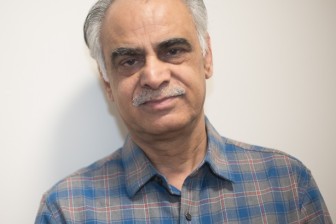
Ziauddin Sardar is a British-Pakistani scholar, award-winning writer, cultural critic and public intellectual who specialises in Muslim thought, the future...
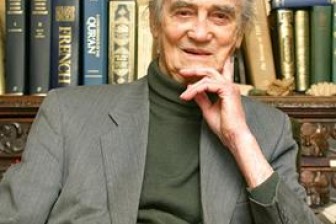
Gai Eaton, born Charles Le Gai Eaton, also known as Hasan le Gai Eaton or Hassan Abdul Hakeem, was born...
Abdullah Yusuf Ali, born on April 14, 1872, in Bombay, British India (present-day Mumbai, India), was a renowned Islamic scholar,...
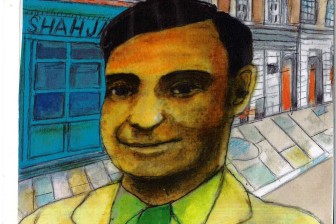
Ayub Ali was born 1st January in 1880, (precise date of birth unknown) in Sylhet, Bangladesh, then a part of...
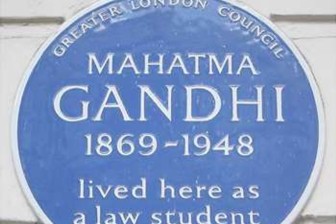
Mohandas Karamchand Gandhi born 2nd of October 1869, more commonly known as Mahatma Gandhi, was born in Porbandar, Kanthiawar, India....
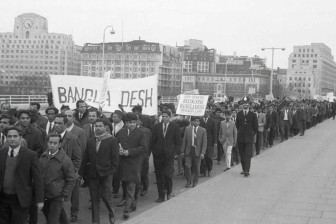
Millions of souls Nineteen seventy onehomeless on Jessore Road under the Gray sunA million dead, the millions who canWalk toward...
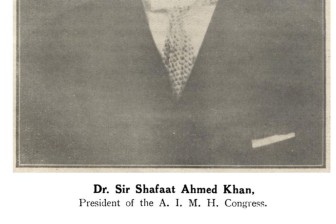
The India Round Table Conferences were a series of 3 talks between 1930-1932. The purpose of these talks was to...
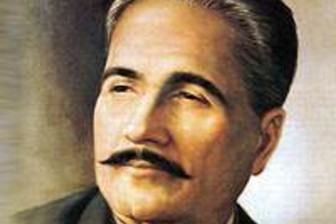
Allama Iqbal is widely considered one of the ideological founding figures of Pakistan and also holds the status of national...
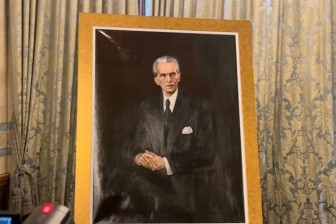
Muhammad Ali Jinnah (1876-1948), also revered as Quaid-i-Azam (Great Leader), was a barrister and politician who played a pivotal role...
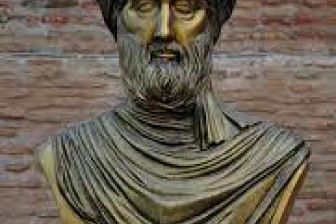
Abd Ar Rahman bin Muhammed ibn Khaldun (1332 – 1406) is considered the Muslim father of Sociology. His contributions to...
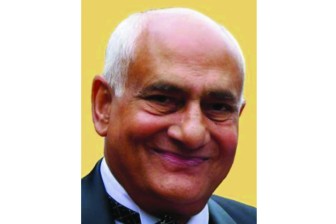
Khurshid Drabu CBE was the first British Muslim Judge who served in the Immigration and Asylum Tribunal.he came to England...
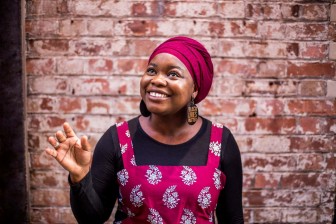
Dr Azeezat Johnson was a brilliant mind. She was a lecturer at Queen Mary University and a member of the...
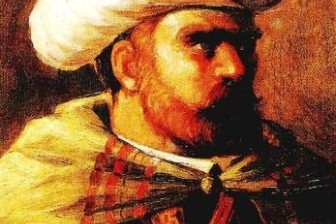
John Ward or Birdy, also known as Jack Ward or later as Yusuf Reis, was born in Faversham he originally...
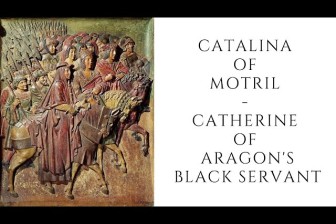
Catalina of Motril was an enslaved servant to Queen Katherine of Aragon, Henry VIII’s first wife. She might have held...
Asif Shakoor is an independent researcher. He grew up in Manor Park and studied at the University of East London....
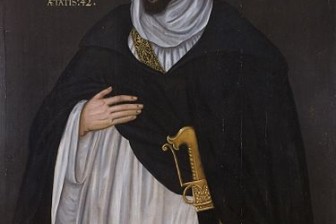
Abd el-Ouahed ben Messaoud was the ambassador to the court of Queen Elizabeth I and was responsible for establishing trade...
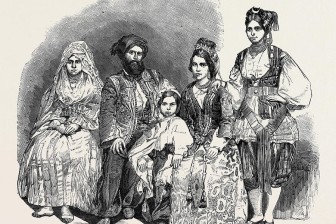
In 1851 the family of Algerian Soldier Yousoff Ben Ibrahim was put on display as a part of an exhibition...
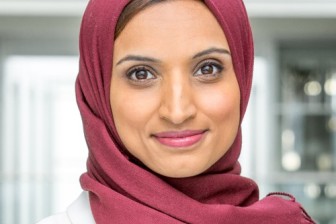
Fatima Manji is a British television journalist and newsreader who became Britain's first hijab-wearing TV newsreader in March 2016. Her...
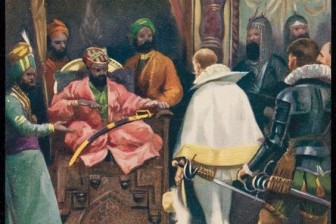
Akbar the Great was the third and most powerful Mughal Emperor of India, ruling from 1556 to 1605. Queen Elizabeth...
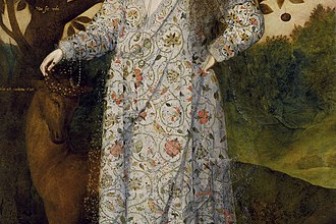
Aura Sultana was a young Central Asian Slave girl of Tatar origin. She had been purchased by English explorer, Anthony...
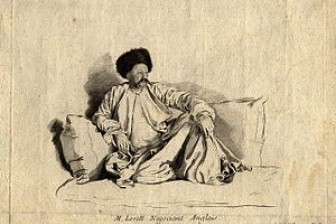
This portrait depicts Francis Levett a "Turkey Merchant", (Member of the Levant Company) of the city of London. In partnership...
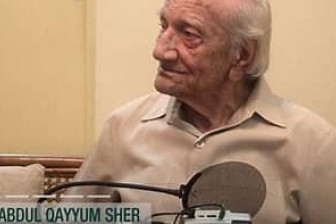
Abdul Qayyum Sher was born in Kohat in 1921. This city is now in the Khyber Pakhtunkhwa province of Pakistan,...
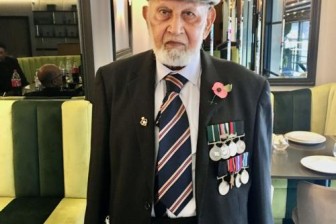
Colonel Mohammad Ghani joined the British Indian Army in 1940. He was in a Punjab Regiment and after finishing his...
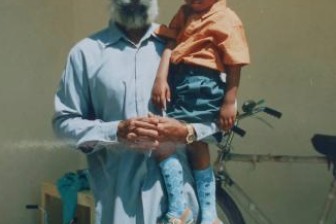
Chanan was born in 1926 in a village near Hoshiarpur. His family owned and farmed the land. He was the...
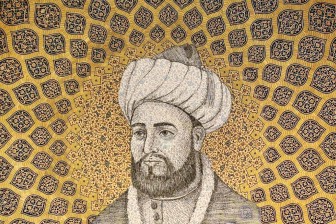
Imam al-Ghazali (1057-1111), honoured with the title of "Hujjatul Islam" or "Proof of Islam," was a renowned Islamic scholar and...
Lubna Arshad became the first Muslim Lord Mayor of Oxford, May 2023.
The association, which was founded in the 1960s by Sher Afzal Khan, was one of the first of its kind...
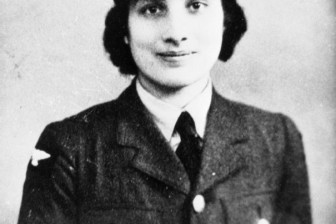
Noor served in the military during World War II who served as a wireless operator for the Special Operations Executive,...
1971
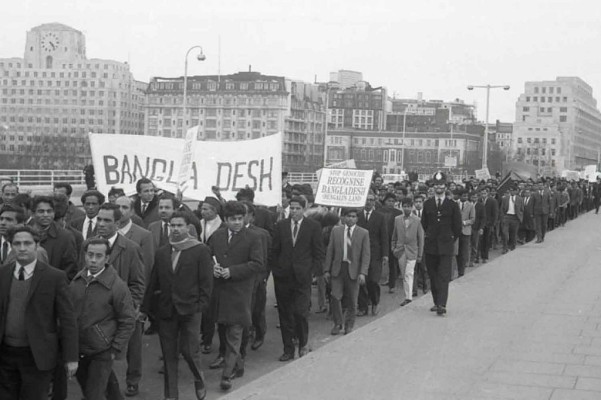
Millions of souls Nineteen seventy one
homeless on Jessore Road under the Gray sun
A million dead, the millions who can
Walk toward Calcutta from East Pakistan
September on Jessore Road, Allen Ginsberg
During the Liberation War of Bangladesh in 1971, many worldwide supported Bangladesh and its people by expressing concerns, condemning Pakistani acts, and going & physically fighting with the freedom fighters. Among some of the most famous were US senator Edward Kennedy, French philosopher Andre Malro, Ustad Rabi Shankar & George Harrison, who had organised the Bangladesh Concert, British journalist Simon Dring, Anthony Mascarenhas & Mark Tully, Jyoti Basu of West Bengal, American poet Allen Ginsberg, British MP John Stonehouse, Bruce Douglas Mann, Peter Shore & Lord Ennals, Paul and Ellen Connett of UK’s Action Bangladesh, German author Gunter Grass, Soviet president Nicolai Podgorni and of course Indian premier Indira Gandhi who tirelessly campaigned for Bangladesh amongst the world community.
Many Bengalis & non-Bengalis, in the UK played a vital role, especially in creating awareness and lobbying the world community. In 1971, though small, there was a sizeable Bengali community in the UK, including London, Luton, Birmingham and Manchester. It is interesting to note that Bengalis were active in political discourse before 1971 as they supported Awami League’s Six Point programme in 1966, which demanded greater autonomy for East Pakistan and campaigned for Sheikh Mujibur Rahman’s release after he was arrested in 1968 in the Agartala conspiracy case. The UK Bengalis sent English lawyer and QC Sir Thomas Williams to defend Sheikh Mujibur Rahman and others charged with treason.
During the War of Bangladesh in 1971, the UK Bengali community, including women, played a key role in highlighting the atrocities in Bangladesh, lobbying the British government and the international community and raising funds for refugees and the Mukti Bahini. Bengali communities across the UK formed Action Committees in support of the liberation in Bangladesh. Some key organisations were the Student Action Committee, Bangladesh Women’s Association, regional Action Committees, eighty-five in all, Action Bangladesh formed by British activists and UK branches of Awami League.
Mrs Anowara Jahan of the Bangladesh Women’s Association (BWA) handed in letters to different MPs in the House of Commons for support of the War of Liberation. She was closely linked to Michael Barnes MP and John Stonehouse MP. She wrote letters on behalf of the BWA to different world leaders. She attended the Labour and Conservative annual party conferences raising awareness among political leaders about the genocide in Bangladesh.
Mrs Kulsum Ullah, another member and organiser of the Bangladesh Women’s Association in Britain, was associated with raising funds and relief for the War of Liberation. In an interview, she described organising rallies, ‘The campaigns were usually arranged on Sundays and almost regularly. The whole nine months, I was busy keeping aside my kids and family…The largest women’s gathering was achieved in the biggest demonstration. I alone took 150 women at least … People from all over the UK participated in all the rallies; they came from Birmingham, Manchester, Leeds and Bristol, all parts of England.’
It is said that some people donated their entire week’s salary and at least in one case, a woman donated her entire wedding gift of gold jewellery. Mrs Badrun Nesa Pasha was that woman and one of the founding members of the Birmingham Action Committee, an active supporter of the War of Independence. She was the woman who donated her entire matrimonial jewellery after she delivered a passionate speech in front of thousands of supporters in a demonstration where the flag of Bangladesh was raised in Small Heath Park, Birmingham.
According to Mrs Pasha, people were willing to go and fight in Bangladesh. Mrs Pasha narrated, ‘We organised a demonstration and a camp to recruit volunteer fighters for the liberation of Bangladesh because the war was becoming quite heavy. Some people in Birmingham started recruiting young people who wanted to be volunteers to go on the battlefield. There was a queue for the selection and recruitment. An English bartender came and said, “I want to fight for the Bangladesh liberation movement.” That was quite interesting for us and we couldn’t believe that white people were ready to fight for Bangladesh.’
A key feature of this period was the support provided by members of the white British majority – in this case, politicians, diplomats, lawyers and journalists. Amongst them was Mr Michael Barnes, a Labour MP at the time for Brentford and Chiswick in West London. He went to Bangladesh during the war. In the parliament, he gave a picture of the genocide happening in Bangladesh.
Another British diplomat based in India talked about their unofficial support for Sheikh Mujibur Rahman and the Bangladesh cause. Mr Miles was the Deputy High Commissioner, Kolkata, India, 1970-74 and High Commissioner, Bangladesh, 1978-79. He witnessed the gathering of half a million people in Kolkata in January 1972 when Sheikh Mujib flew from London on his way back to independent Bangladesh. As a diplomat, he visited many refugee camps in Kolkata where the Indian Government accommodated ten million Bengali refugees who fled Bangladesh.
To date, no comprehensive history of the independence movement in the UK or the contribution of White British and the local Bengali community has been documented. A few, including Justice Abu Sayeed Choudhury, special envoy of Mujibnagar Govt, writer Abdul Matin, community historian Yousuf Chowdhury, Sheikh Abdul Mannan of Steering Committee and the Bangladesh Welfare Association have attempted to document the history of the contribution of the diaspora Bengali community.
It should be mentioned here that following the end of the war and his release from Pakistan, Bangabandhu Sheikh Mujibur Rahman came to London, stayed and held his first press conference on 8 January 1972 in Claridge’s Hotel. Less than a month after, Britain became one of the first countries to recognise Bangladesh as an independent nation. This move encouraged other Commonwealth and Western powers to follow suit.
At the Claridge’s, the momentous meeting between Bangladesh’s founding father, Sheikh Mujibur Rahman and the then British Prime Minister Sir Edward Heath took place later in 1972. It was a special moment in an enduring friendship between the two nations. Sir Harold Wilson, Leader of the Opposition from the Labour Party and former British Prime Minister also met Sheikh Mujibur Rahman in Claridge’s.
In 2005, the Swadhinata Trust, a small voluntary organisation, embarked on an oral history project to record the memories of some who had participated in the independence movement. Memories of the War of Independence and the community involvement through the oral history project clarified some of the mechanisms through which it was fought and added new information when analysing interviews with ordinary people in the UK. But of course, many facts remain to be revealed about the War of Independence of Bangladesh and the movement in the UK.

Author: Ansar Ahmed Ullah
Spotted an issue Report this record
Loading please wait