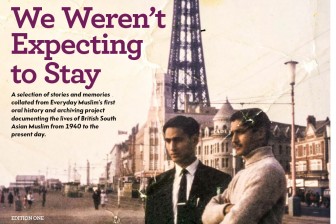
‘We Weren’t Expecting to Stay,’ is Everyday Muslim's first archive collection. The collection consists of; video and audio recordings of...
‘We Weren’t Expecting to Stay,’ is Everyday Muslim's first archive collection. The collection consists of; video and audio recordings of...
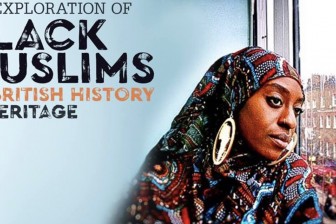
Exploring the Diversity of Black British Muslim Heritage in LondonThis archive is a unique borne digital archive consisting of important...
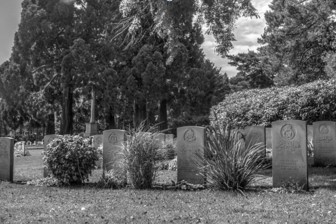
Brookwood Cemetery is a Grade I listed Historic Park & Garden. It was also known as the London Necropolis or...
This dissertation was submitted as part of the Tripos Examination in the Faculty of History, Cambridge University, April 2016.
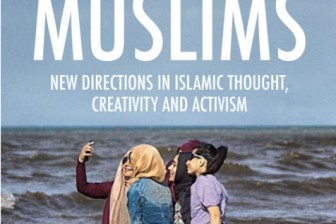
Explores how a new generation are redefining what it means to be a Muslim in Britain todayA new generation of...
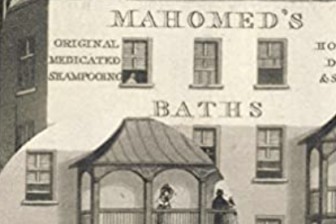
What did Britain look like to the Muslims who visited and lived in the country in increasing numbers from the...
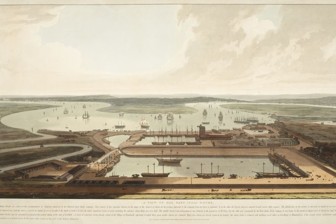
On the 31st of December 1600, Queen Elizabeth I granted a royal charter to more than two hundred City of...
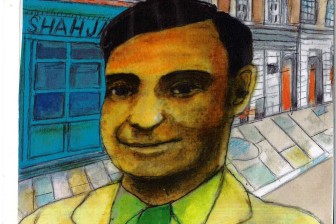
Ayub Ali was born 1st January in 1880, (precise date of birth unknown) in Sylhet, Bangladesh, then a part of...
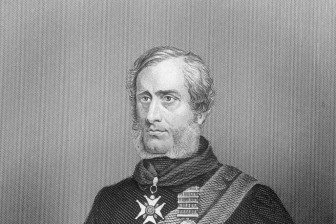
Sir Henry Havelock was a British general renowned for his involvement in India, particularly his successful recapture of Cawnpore from...
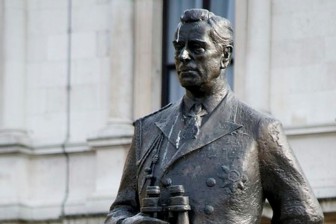
The bronze Mountbatten statue stands on Mountbatten Green, off Horse Guards Road in Whitehall, London. Depicted in his Admiral uniform...
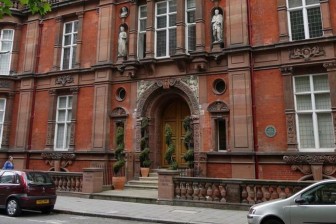
Caxton Hall is a location in which many momentous events occurred, including the assassination of Sir Michael O'Dwyer, the campaign...
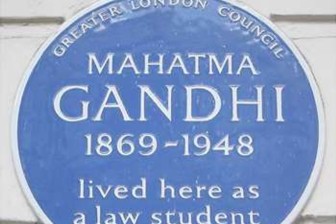
Mohandas Karamchand Gandhi born 2nd of October 1869, more commonly known as Mahatma Gandhi, was born in Porbandar, Kanthiawar, India....
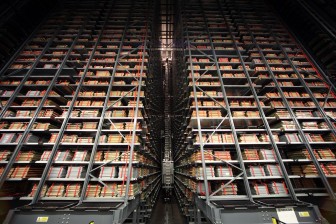
The British Library is home to the India Office Records collection, an extensive collection of archives relating to the administration...
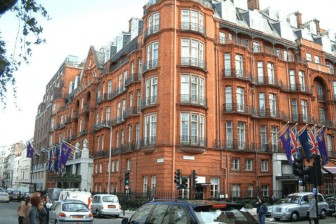
The history of Bangladesh's independence can be traced to the 1947 Partition of British India, and to the history of...
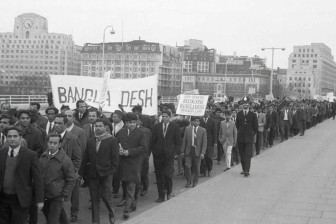
Millions of souls Nineteen seventy onehomeless on Jessore Road under the Gray sunA million dead, the millions who canWalk toward...
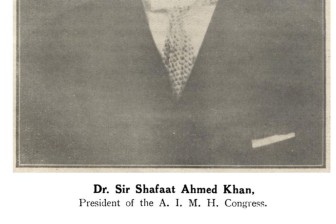
The India Round Table Conferences were a series of 3 talks between 1930-1932. The purpose of these talks was to...
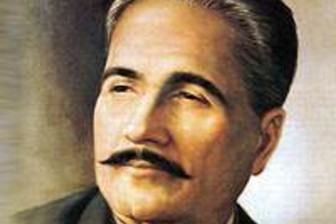
Allama Iqbal is widely considered one of the ideological founding figures of Pakistan and also holds the status of national...
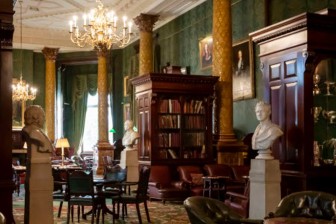
The National Liberal Club (NLC) was established by William Gladstone in 1882, to provide club facilities for Liberal Party campaigners. ...
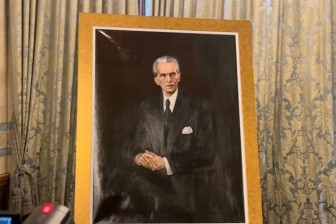
Muhammad Ali Jinnah (1876-1948), also revered as Quaid-i-Azam (Great Leader), was a barrister and politician who played a pivotal role...
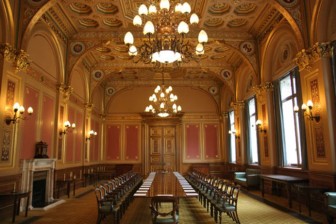
Originally constructed in 1868 as a set of government offices, including the India Office and later the Colonial and Home...
The Empire and Partition heritage trail is based on a collection of essays written by academics and historians to tell...
The Empire and Partition Collection and Trail were created for Everyday Muslim's Remembering Partition project to raise awareness of the...
The Bangladesh Islamic Centre was founded in the 1980s by the first generation of Bangladeshis to settle in Oxford. Today,...
Founded in 1968, the Bath Street mosque was the first formal site of worship for Oxford's Muslim community, and largely...
EMBS was founded in 1988 as a self-help business service for racialised minority groups in Oxford. One of its founders...
This was an Ahmadiyya Mosque established in the 1980s. It was located on Cowley Road, but the precise location is...
Central Oxford Mosque remains one of the largest places of workship for Muslims in the city. The mosque was founded...
The Oxford Centre for Islamic Studies was founded in 1985 as a centre for the advanced study of Islam and...
A mosque and welfare house opened in 1984 to primarily serve the Deobandi sect of Muslims living in Oxford. The...
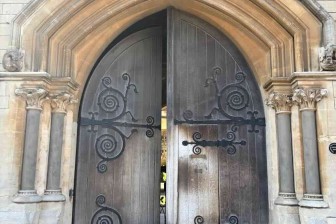
In trying to identify some of the earliest Muslim students to matriculate at the University after the enactment of the...
Founded in 1921, City of Oxford Motor Services Limited was an important site of employment in the 1950s and 1960s...
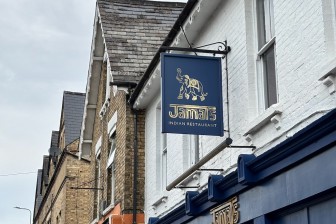
Jamal's Tandoori Restaurant has been a significant place of networking for Muslims across the city. During the 1950s and 1960s,...
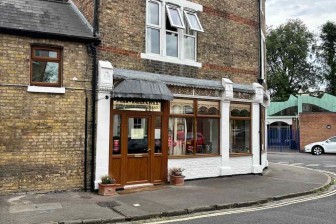
Al Shami restaurant was the site of Oxford's first halal butchers, and was established in the 1960s. Prior to its...
Founded in 1678, the Ashmolean Museum features an Islamic and Middle East Gallery which exhibits a selection of artifacts made...
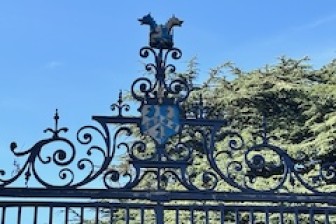
Brothers Wasif Ali and Naseer Ali Mirza became the first racialised minority and Indian students to be enrolled at Trinity...
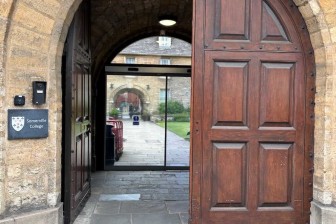
Somerville College houses archival materials related to the Oxford Majlis, which was a student society modeled after the Cambridge Majlis...
An anti-racist organisation founded by University of Oxford students in 1956. Its purpose was "To arouse among members of the...
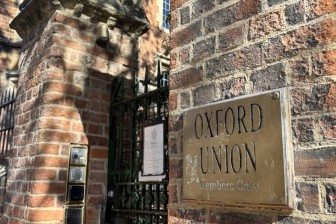
On 3 December 1964, Malcolm X addressed the Oxford Union when he partook in the 'Queen and Country' debate. He...
Lubna Arshad became the first Muslim Lord Mayor of Oxford, May 2023.
Next to the Pitt Rivers Museum is the sire of current Oxford Islamic Society meeting space. There is a rich...
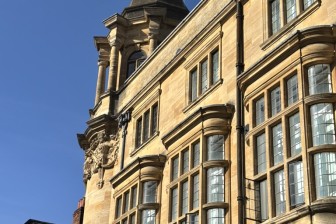
The Oxford Martin School was the sity of of the Oxford Indian Institute, which provided training to Indian civil servants....
Site of the first mixed congregational prayer led by a woman (Prof Amina Wadud) in the UK, 18th October 2008....
The association, which was founded in the 1960s by Sher Afzal Khan, was one of the first of its kind...
The Didicot Ordinance Depot at the Vauxhall Barracks, established during the First World War, was a major site of Pakistani...
A major site of employment which attracted Pakistani Muslims from Sheffield and Bradford. According to the newsreel source linked to...
The UK’s first halal farm, located in Cherwell. In 2002, Lutfi Radwan, a lecturer at the University of Oxford, and...
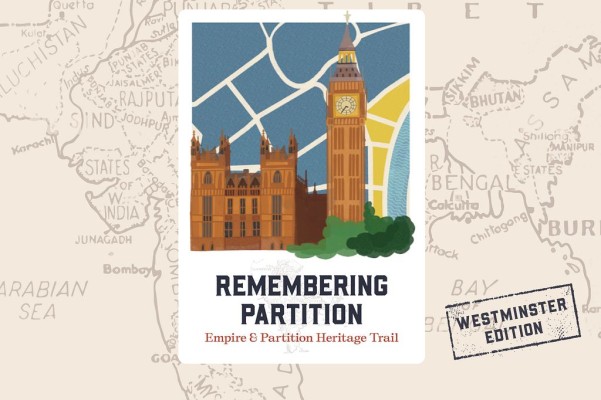
The Empire and Partition heritage trail is based on a collection of essays written by academics and historians to tell the shared history of the British Empire in India and the partition of India in 1947.
The collection tells the story of this story starting in 1600 when Queen Elizabeth I granted a charter on December 31, 1600, forming the East India Company (EIC). The company traded spices, textiles, and goods in India, gaining influence through territorial and tax control and even a private army.
Over time, the EIC became a ruling power in parts of India, exploiting India's resources, committing atrocities against Indian civilians and employing a "divide-and-rule" strategy, which created tension between ethnic and religious groups. Following the Indian Uprising of 1857, the British government took control of India from the company, turning it into a British colony.
By the mid-1900s, the movement for Indian independence grew stronger and was led by figures such as Mohandas Karamchand Gandhi, Jawaharlal Nehru and Muhammad Ali Jinnah. However, there were significant disagreements about the outcome of Indian independence. Jinnah wanted to secure rights for Muslims and, by 1940, demanded a separate nation for India’s Muslims, whilst Gandhi supported a united India. The British government eventually agreed to grant India its freedom and, later, accepted Jinnah’s demands.
On 15th August 1947, India gained independence, and the country was split into two separate nations: Hindu-majority India and Muslim-majority East and West Pakistan. Pakistan gained its independence a day earlier, on 14th August 1947.
Lord Louis Mountbatten- the last Viceroy of India- played a crucial role in overseeing the country's independence. Sir Cyril Radcliffe was appointed to draw a border between India and Pakistan; the contentious boundary is known as the ‘Radcliffe Line’. Later in 1971, East Pakistan declared its Independence from West Pakistan, and Bangladesh was born. The partition of India was hasty, resulting in the largest mass migration in history, communal violence, the tragic loss of lives and the displacement of millions of people.
Disclaimer: Views expressed in this content are solely those of the author and do not necessarily represent the opinions or beliefs of any organisation involved in the Remembering Partition project.

Spotted an issue Report this record
Loading please wait