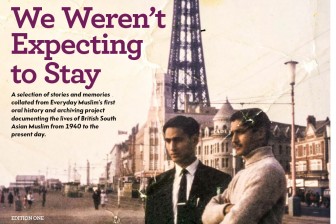
‘We Weren’t Expecting to Stay,’ is Everyday Muslim's first archive collection. The collection consists of; video and audio recordings of...
‘We Weren’t Expecting to Stay,’ is Everyday Muslim's first archive collection. The collection consists of; video and audio recordings of...
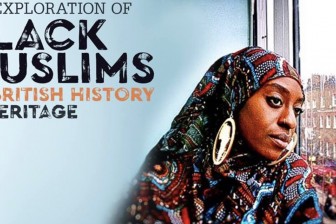
Exploring the Diversity of Black British Muslim Heritage in LondonThis archive is a unique borne digital archive consisting of important...
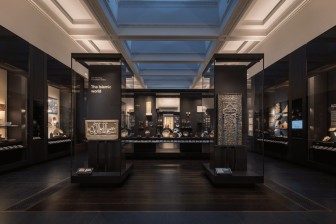
British MuseumFounded in 1753, the British Museum is the world’s first national public museum to cover all fields of human...
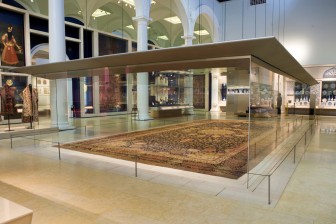
The Victoria and Albert MuseumThe V&A is the world’s leading museum of art, design and performance. Some of the oldest...
-(1)-overview.jpg)
Overview: The Birmingham Qur'an is known as the oldest Qur'an in the world.Radiocarbon dating of the parchment on which the...
The Brighton and Hove Museums is a trading name for the Royal Pavilion & Museums Trust. The Trust runs three...
Draft on master document - waiting to check with staff at museum
Founded in 1683, The Ashmolean is the University of Oxford’s Museum of Art and Archaeology. The closest place for prayer...
In 2014, the Colourful Heritage teamed up with Glasgow Life to create Scotland’s first dedicated physical archive based at the...
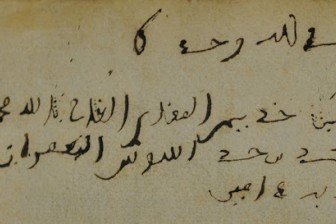
This was entered on 4 March 1682 by the then Moroccan Ambassador, Mohammed bin Hadou, who had been sent to...
Founded in 1678, the Ashmolean Museum features an Islamic and Middle East Gallery which exhibits a selection of artifacts made...
Next to the Pitt Rivers Museum is the sire of current Oxford Islamic Society meeting space. There is a rich...
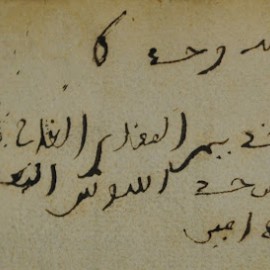
4 March 1682

-thumb.jpg)
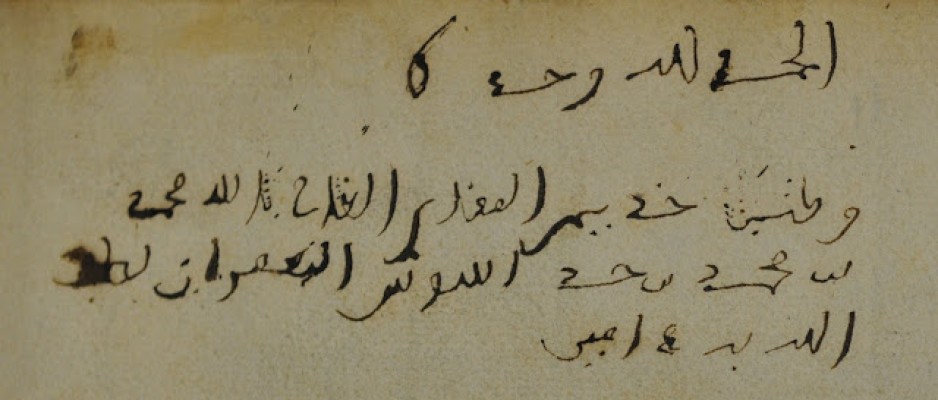
This was entered on 4 March 1682 by the then Moroccan Ambassador, Mohammed bin Hadou, who had been sent to England by the Moroccan ruler Moulay Ismail ibn Sharif. Mohammed bin Hadou arrived In England on the 29 December 1681 and left on 23 July 1682, so was about half way through his diplomatic visit when he visited Lincoln's Inn. The image below shows the entry in the Golden Book and has been roughly translated as ‘Praise be to God alone! Written by the servant of the wise, the pilgrim to God, Muhammad the son of Muhammed the son of Haddu, belonging to Sus, the Bahamwani. May God be gracious unto him! Amen’.
Contemporary sources suggest that although bin Hadou was courteous, well received and popular, his English language abilities were not very good and he had to have a secretary and translator (who were one and the same person) with him for the duration of his visit. A second signature on the same page as bin Hadou’s, which does not correspond with the translation of the name given in the Arabic signature, certainly suggests he had his secretary and translator with him when he visited the Inn. A secretary and translator would have to be able to speak and write English so it is perhaps not surprising that his signature is written in Roman script as opposed to Arabic. It is not the clearest hand, but the name possibly reads as ‘Alhash Mahamad Lacos Abençerahe’.
Lincoln's Inn archives, 4th March 1682
March 2016 - The Moroccan Ambassador - Lincoln's Inn (lincolnsinn.org.uk)
Spotted an issue Report this record
Loading please wait