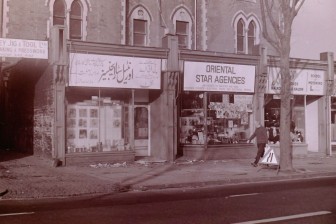
Mohammed Ayub founded the iconic record label Oriental Star Agencies in 1970 and it remained at the Balsall Heath sight...
Mohammed Ayub founded the iconic record label Oriental Star Agencies in 1970 and it remained at the Balsall Heath sight...
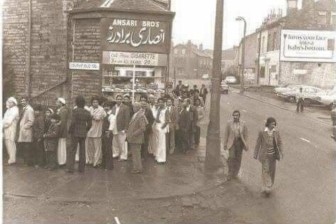
This masjid was established by Pir Maroof Hussain, a local spiritual leader who acknowledged the need for a place of...
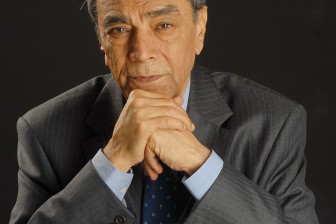
Zia was a British-Pakistani thespian and truly a jack of all trades as he juggled acting, direction and broadcasting. Having...
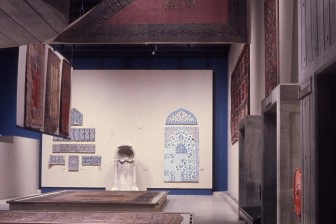
Held in 1976, with the theme of “Unity of Islam”, the festival had more than 6000 objects on display. The...
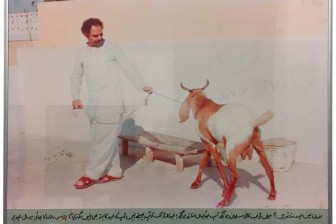
A multidisciplinary artist who has worked with various forms over the years, from performance art to calligraphy, to sculpture, his...
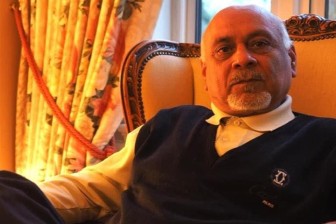
Mahmood Jamal was an author, poet and producer. In 1986, he translated and authored, ‘The Penguin Book of Modern Urdu...
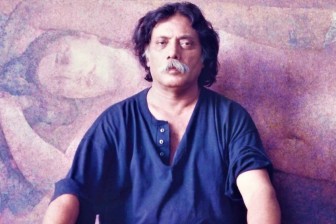
Jamil Naqsh was a British Pakistani artist, a modern expressionist and a traditional miniaturist, whose work revolved heavily around the...
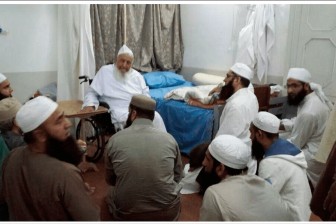
The Tablighi Jamaat, which translates to the propagation collective, is a global movement that is said to be active in...
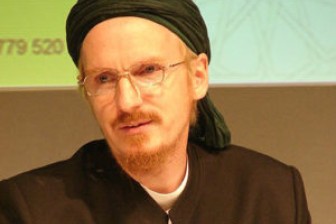
Abdal Hakim Murad is an English academic, theologian and Islamic scholar. His work includes publications on Islamic theology, modernity, and...
Bradford’s Council for Mosques was founded in 1981 by six local Muslims representing various Islamic viewpoints in the city. Muslims...
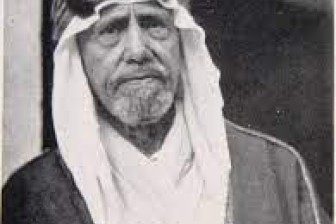
William “Haji” Williamson was an English adventurer who lived a life full of adventure and intrigue, traversing the world. Williamson...
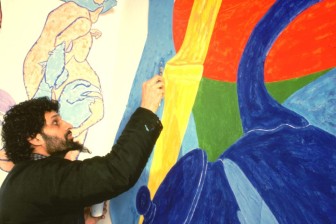
Saleem is an artist and curator who has been practising art since the 1960s to this day. Saleem was born...
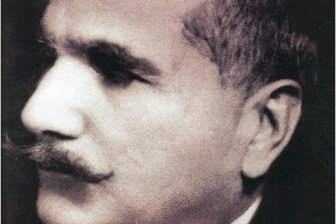
Allama Iqbal was the greatest poet-philosopher of the Indian Subcontinent whose poetry in the Urdu language is considered among the...
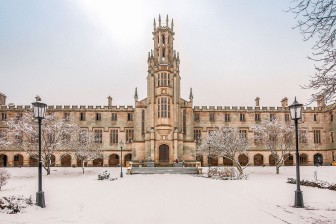
The grandiose building, which was finished in 1843, began life as the Lancashire Independent College, which belonged to the Congregational...
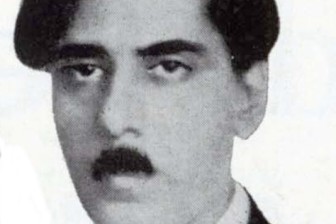
Born on 19th December 1880, in Poona, Samuel Rahamin's family were part of the Bene Israel, a cultivated Jewish community...
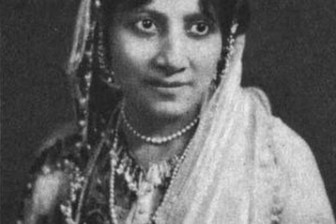
Author, social reformer, and patron of the arts, she was born in Constantinople on 1 August 1877 into the prominent...
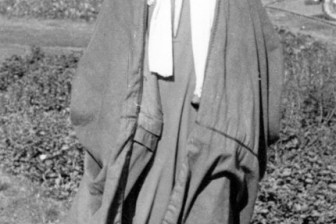
Martin Lings was an English writer, Islamic scholar, and philosopher and an authority on the work of William Shakespeare. He...
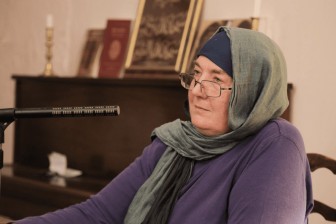
Aisha Bewley has been – and continues to be – a world-renowned and accomplished translator of classical Islamic literature. After...
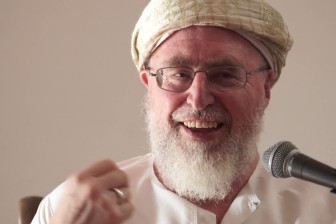
Muhammad Isa Waley is a British editor, translator, and researcher specializing in the literature of Muslim spirituality in Arabic, Persian,...
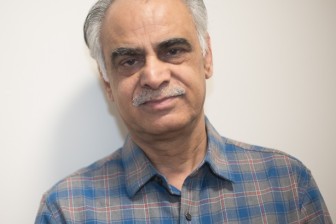
Ziauddin Sardar is a British-Pakistani scholar, award-winning writer, cultural critic and public intellectual who specialises in Muslim thought, the future...
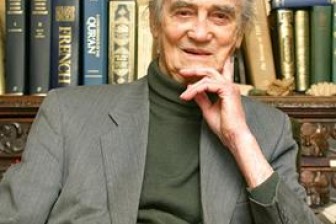
Gai Eaton, born Charles Le Gai Eaton, also known as Hasan le Gai Eaton or Hassan Abdul Hakeem, was born...
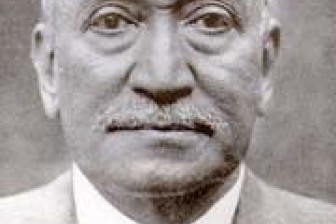
Abdullah Yusuf Ali, born on April 14, 1872, in Bombay, British India (present-day Mumbai, India), was a renowned Islamic scholar,...
April 1976 - June 1976
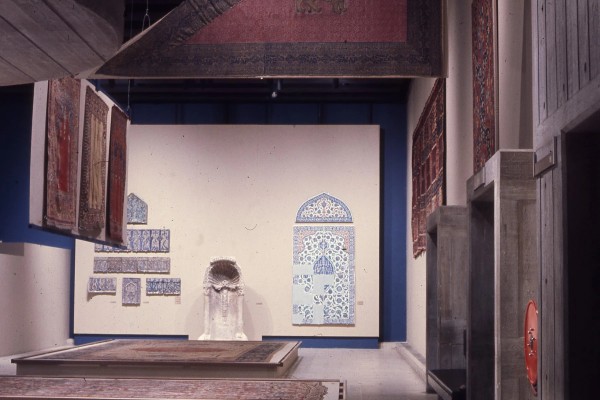

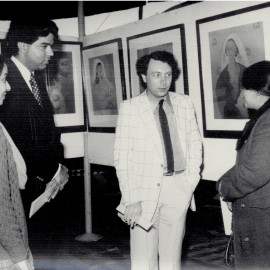
Held in 1976, with the theme of “Unity of Islam”, the festival had more than 6000 objects on display. The festival was opened by Queen Elizabeth II and spanned over 3 months, being held at various institutions across London, with the opportunity to attend 162 lectures and 50 days of related academic seminars, bid on high-end art at Christie's and Sotheby's inaugural "Islamic Week" auctions, or catch the six-part film series "The Traditional World of Islam" on primetime BBC television.
Another major exhibition was on “Science and Technology in Islam” at the Science Museum. Consisting of 400 items on loan including scientific instruments, celestial globes, astrolabes, contemporary manuals, maps, simple tools, an Arab sailing vessel and models of such technical devices as waterwheels and water clocks. A collaboration between scholars, institutions and governments from both the Islamic world and the West, thirty-two Muslim nations and British governmental agencies contributed to the festival’s $4 million budget. The Arts of Islam exhibition at the Hayward Gallery was the festival’s marquee event and boasted an array of objects ranging from carpets to rock crystal, to calligraphy to metalwork.
The director of the festival, Ahmed Paul Keeler framed the event as a "platform upon which Muslims would portray the inspiration, synthesis and achievement of Islamic culture through the variety of media available to modern communications.”
Anneka Lenssen, "Muslims to Take Over Institute for Contemporary Art": The 1976 World of Islam Festival, Middle East Studies Association Bulletin, Vol. 42, No. 1/2 (Summer/Winter 2008), pp. 40-47 (8 pages)
Rachel Winter, The World of Islam Festival, London, 1976, 2021
Spotted an issue Report this record
Loading please wait