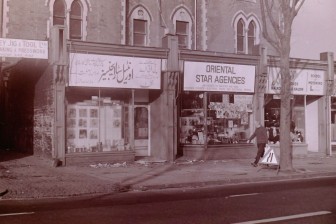
Mohammed Ayub founded the iconic record label Oriental Star Agencies in 1970 and it remained at the Balsall Heath sight...
Mohammed Ayub founded the iconic record label Oriental Star Agencies in 1970 and it remained at the Balsall Heath sight...
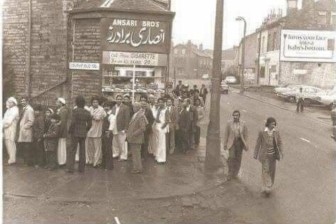
This masjid was established by Pir Maroof Hussain, a local spiritual leader who acknowledged the need for a place of...
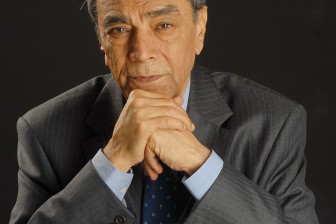
Zia was a British-Pakistani thespian and truly a jack of all trades as he juggled acting, direction and broadcasting. Having...
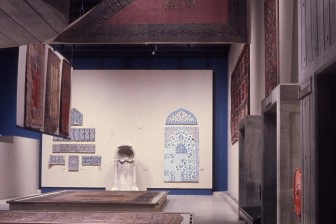
Held in 1976, with the theme of “Unity of Islam”, the festival had more than 6000 objects on display. The...
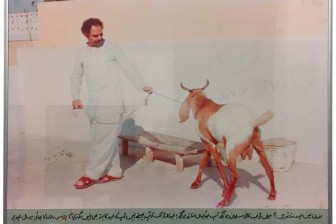
A multidisciplinary artist who has worked with various forms over the years, from performance art to calligraphy, to sculpture, his...
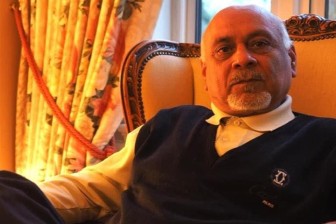
Mahmood Jamal was an author, poet and producer. In 1986, he translated and authored, ‘The Penguin Book of Modern Urdu...
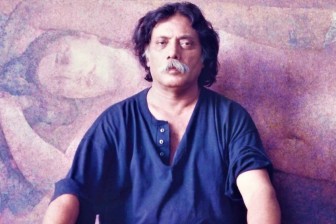
Jamil Naqsh was a British Pakistani artist, a modern expressionist and a traditional miniaturist, whose work revolved heavily around the...
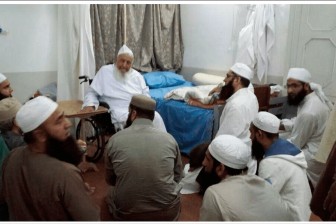
The Tablighi Jamaat, which translates to the propagation collective, is a global movement that is said to be active in...
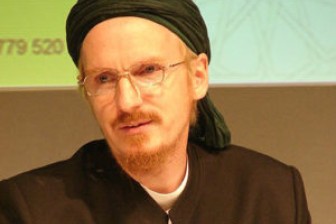
Abdal Hakim Murad is an English academic, theologian and Islamic scholar. His work includes publications on Islamic theology, modernity, and...
Bradford’s Council for Mosques was founded in 1981 by six local Muslims representing various Islamic viewpoints in the city. Muslims...
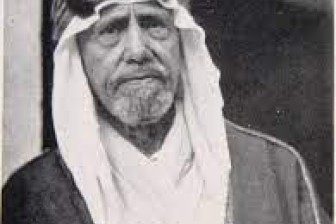
William “Haji” Williamson was an English adventurer who lived a life full of adventure and intrigue, traversing the world. Williamson...
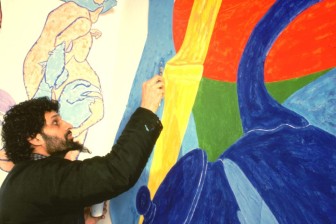
Saleem is an artist and curator who has been practising art since the 1960s to this day. Saleem was born...
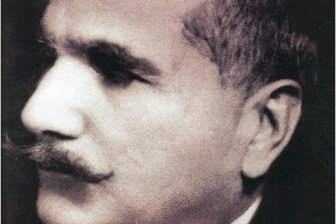
Allama Iqbal was the greatest poet-philosopher of the Indian Subcontinent whose poetry in the Urdu language is considered among the...
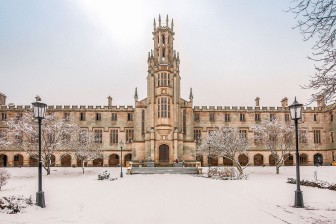
The grandiose building, which was finished in 1843, began life as the Lancashire Independent College, which belonged to the Congregational...
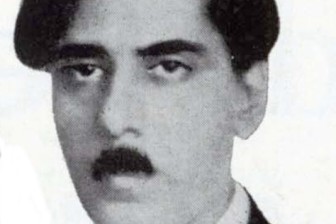
Born on 19th December 1880, in Poona, Samuel Rahamin's family were part of the Bene Israel, a cultivated Jewish community...
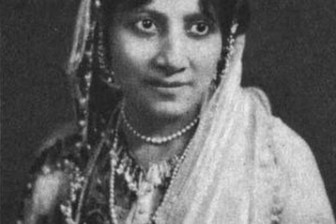
Author, social reformer, and patron of the arts, she was born in Constantinople on 1 August 1877 into the prominent...
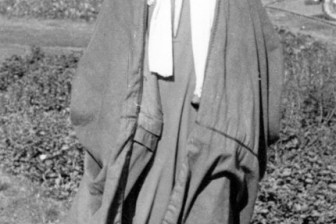
Martin Lings was an English writer, Islamic scholar, and philosopher and an authority on the work of William Shakespeare. He...
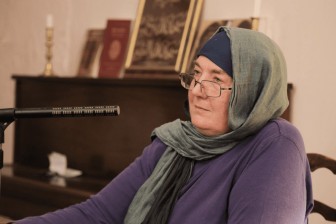
Aisha Bewley has been – and continues to be – a world-renowned and accomplished translator of classical Islamic literature. After...
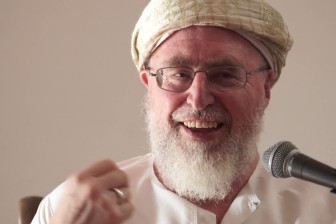
Muhammad Isa Waley is a British editor, translator, and researcher specializing in the literature of Muslim spirituality in Arabic, Persian,...
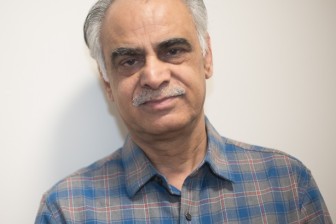
Ziauddin Sardar is a British-Pakistani scholar, award-winning writer, cultural critic and public intellectual who specialises in Muslim thought, the future...
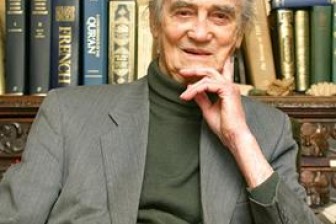
Gai Eaton, born Charles Le Gai Eaton, also known as Hasan le Gai Eaton or Hassan Abdul Hakeem, was born...
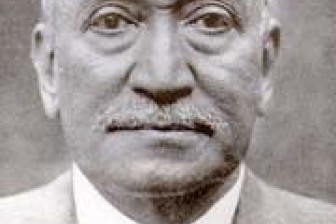
Abdullah Yusuf Ali, born on April 14, 1872, in Bombay, British India (present-day Mumbai, India), was a renowned Islamic scholar,...
1872

-thumb.jpg)
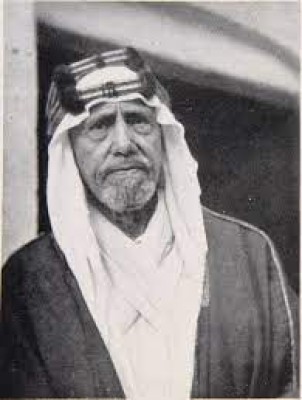
William “Haji” Williamson was an English adventurer who lived a life full of adventure and intrigue, traversing the world. Williamson was born in Bristol in 1872, and when still a boy demonstrated a rebellious nature that sat easily with a passionate hatred of injustice. At 13 he boarded a tea clipper bound for Australia, which took him to San Diego where he ran away from his crewmates and found work on a farm South of Los Angeles.
After a brush with imprisonment in Manila at the hands of the Spanish colonial authorities and a prison escape, on the SS Siam, he found in the small ship’s library a book by Imam Abdullah Quilliam, then the Shaykh al-Islam of the British Isles.
In the British-run port of Aden, Williamson developed a growing interest in Islam, visiting the mosque and tomb of Imam Abu Bakr al-Aydarus, as well as making the acquaintance of the sayyids and other religious notables of the Arabian port. After a year of study under the courteous and patient ulema of Aden, Williamson wrote passionate letters to his father inviting him to the truth of Islam. He then travelled to the court of the Sultan of the neighbouring town of Lahj, where he made his formal shahada and henceforth, he was Abdullah Fadhil.
For two years, Abdullah studied Arabic and Islam under the ulema of Kuwait. He also spent time travelling through the flat immensities of the northern Arabian deserts, where he learned to love the camel and the Arabian horse. After performing the Hajj pilgrimage, Hajji Abdullah became a trader along the Kuwait coastline, up the mighty Shatt al-Arab (the confluence of the Rivers Tigris and Euphrates) into the Iraqi hinterland. On occasion he would take prime Arab horses to Bombay, to be sold to the British cavalry. He later worked with the Anglo-Iranian Oil Company, and in 1937 he retired to a small house in the village of Kut al-Hajjaj near Basra. Here he raised children and grandchildren, amazing them with tales of his remarkable life.
Stanton Hope, Arabian Adventurer: The Story of Haji Williamson (London, 1951).
Spotted an issue Report this record
Loading please wait