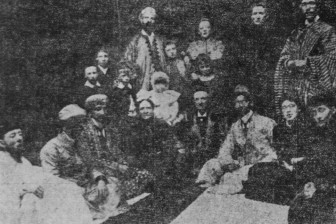
This entry includes information about the personal life of Abdullah Quilliam (1856-1932) and in particular about the two families in...
This is collection of places in Liverpool related to the life of Abdullah Quilliam (1856-1932), the founder of Britain's first attested mosque community in 1887, covering his multiple roles as a religious leader, as a lawyer, as a journalist, as a trade unionist and political activist, as well as his personal life.
This entry includes information about the personal life of Abdullah Quilliam (1856-1932) and in particular about the two families in...
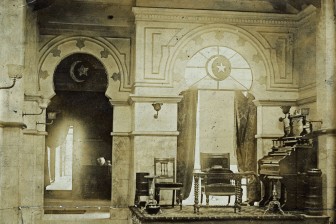
8 Brougham Terrace was the site of Britain's first attested mosque community, called the Liverpool Muslim Institute (LMI). It was...
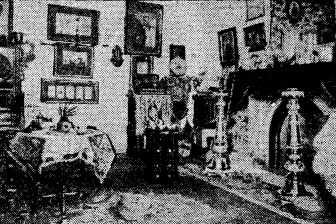
Built by the Quilliam Family, four generations lived in this house from the 1870s to the 1950s. Includes some biographical...
-Lord-Mayor-Liverpool,-MQRWU-President-and-founder-of-Liverpool-FC-overview.jpg)
A philanthropic body under the Poor Law Reform Act of 1832. Built workhouses, housing, schools and hospitals, including the famous...
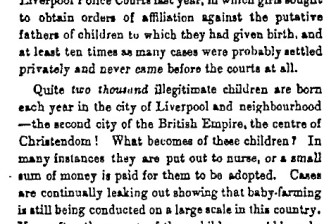
The Medina Home for Children was the first orphanage founded by Muslims in the UK, and was established in 1896....
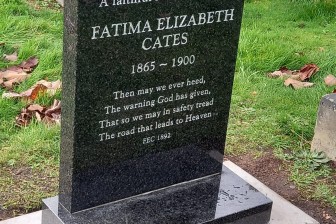
Fatima Elizabeth Cates (5 January 1865-29 October 1900) was probably the first woman to convert to Islam in Merseyside, who...
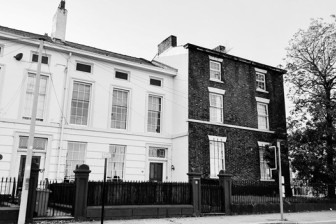
This was the residence of Fatima Elizabeth Cates (1865-1900), as listed in the 1891 Census, among the first women to...
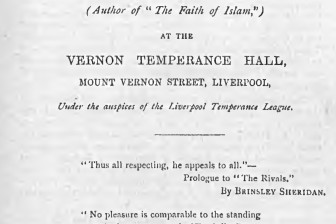
This was the site of the first Muslim prayer hall in the UK, which was formally established as the Liverpool...
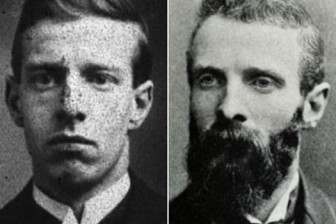
Fatima Elizabeth Cates (1865-1900) lived at "Granada", Victoria Road, in the town of West Kirby on the western side of...
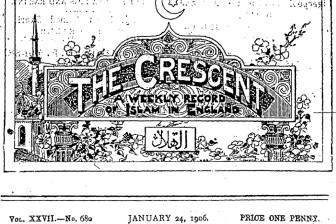
The first location of the printing offices of the first Muslim periodical published in Britain, the weekly Crescent (1893-1908), the...
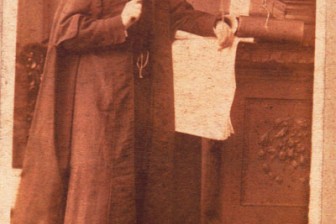
The Magistrates Courts (formerly known as the Police Courts) where the Muslim convert and solicitor William Henry Abdullah Quilliam (1856-1932)...
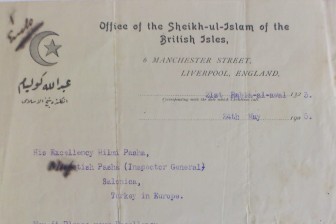
The chambers of Quilliam and Sons, headed by a convert to Islam, the lawyer and journalist, William Henry Abdullah Quilliam...
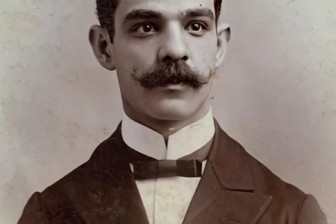
One nineteenth century couple are an early example of an intercultural Muslim marriage. They were Ali and Amy Mokaiesh who...
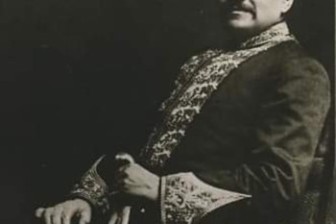
Mustapha Karsa (pictured circa 1900) was born in Damascus in around 1848 to a wealthy landowning family. In 1880-1, Karsa...
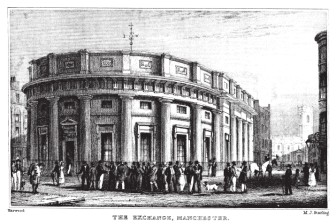
Abdullah Ydlibi [Idlibi] (c.1820-85) came from a family of Arab notables in administration, politics and trade, with branches in Damascus...
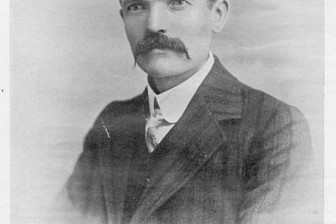
Yahya Parkinson (1874-1918), Scottish Muslim poet, essayist, and critic, was born in Kilwinning, Ayrshire, Scotland, of Irish descent. Born John...
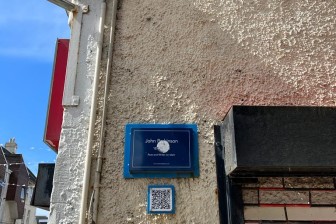
104 Main Street in Kilwinning, Ayrshire, was the birthplace and primary residence of John Parkinson (1874-1814), Britain's founding Muslim poet....
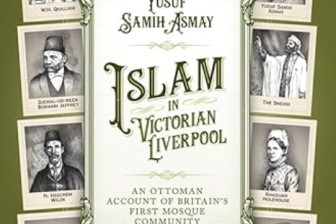
Islam in Victorian Liverpool is a unique eyewitness account dating from 1895 of Britain's first mosque community by an Ottoman...
1891
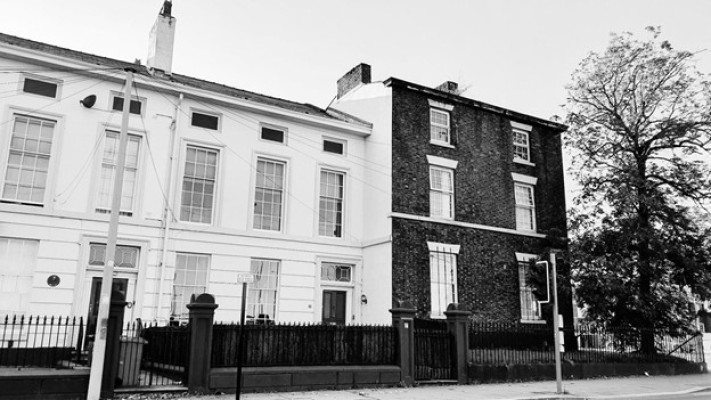
This was the residence of Fatima Elizabeth Cates (1865-1900), as listed in the 1891 Census, among the first women to convert to Islam in Lancashire, converting at the hands of Abdullah Quilliam in 1887. She was the first woman and the second convert that Quilliam made after he began his call to Islam that same year. She lived at 2 Marmaduke St. with her husband Hubert Henry Cates (1857-95), a marine chief engineer by profession, who converted in 1890, and with her younger half-sister, Clara, who converted in 1891 at the age of 17. They also took in two lodgers who were Indian Muslims studying law. Clara later married one of them, Syed Abdul-Haleem in around 1892. He was a member of the Liverpool Muslim Institute as well as Honorary Secretary to the London Anjuman-i-Islam or Islamic Association. Clara and Syed Abdul-Haleem later moved to Calcutta where they had three children.
Despite his later conversion Islam, Fatima's marriage to Hubert was highly troubled. From 1889 onwards, the first year year of their marriage, Hubert verbally and physically abused Fatima, when he returned home after being away at sea for work. As a way to protect herself, she moved to a larger residence and took in lodgers and her sister, but to no avail. At this residence in 1891, he attacked Fatima on more than one occasion and at one point held a knife to her throat and threatened to slash her neck. Finally after another murderous attack when he struck Fatima on the head and injured her, she managed to escape with the help of Clara and report him to the police. Cates pleaded guilty to aggravated assault and a judicial separation was granted to Fatima, but her petition for divorce was not granted. They remained separated until his death in January 1895 at sea.

H. Mahmood and Y. Birt, Our Fatima of Liverpool (Oldham: Beacon Books, 2023).
Spotted an issue Report this record
Loading please wait