-Lord-Mayor-Liverpool,-MQRWU-President-and-founder-of-Liverpool-FC-overview.jpg)
A philanthropic body under the Poor Law Reform Act of 1832. Built workhouses, housing, schools and hospitals, including the famous...
A philanthropic body under the Poor Law Reform Act of 1832. Built workhouses, housing, schools and hospitals, including the famous...
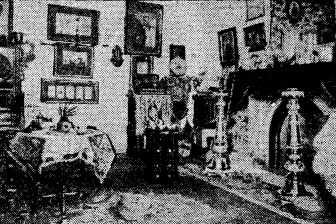
Built by the Quilliam Family, four generations lived in this house from the 1870s to the 1950s. Includes some biographical...
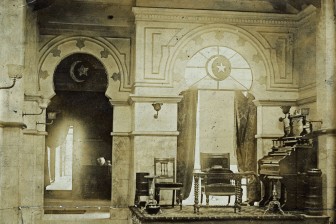
8 Brougham Terrace was the site of Britain's first attested mosque community, called the Liverpool Muslim Institute (LMI). It was...
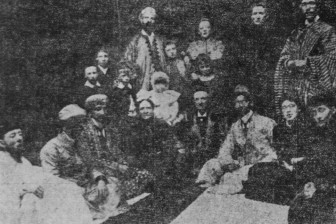
This entry includes information about the personal life of Abdullah Quilliam (1856-1932) and in particular about the two families in...
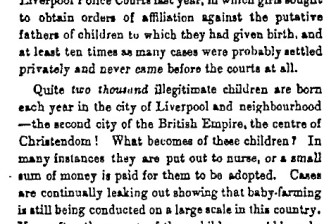
The Medina Home for Children was the first orphanage founded by Muslims in the UK, and was established in 1896....
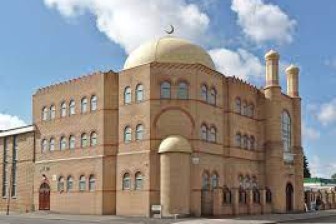
The Mosque was first founded in 1953 by the late Al-Haj Ali Hizzam, a house transformed into a mosque, Masjid...
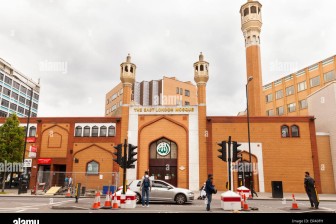
Located in the London Borough of Tower Hamlets, East London Mosque is a part of the London Muslim Centre and...
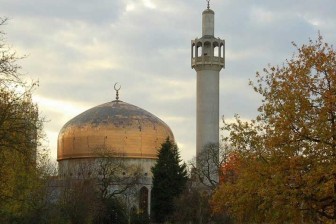
Located on the edge of Regent’s Park, the London Central Mosque, the land for the mosque was presented as a...
The Magistrates Courts (formerly known as the Police Courts) where the Muslim convert and solicitor William Henry Abdullah Quilliam (1856-1932)...
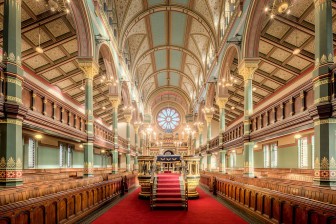
This is a Grade I listed building whose interior is built in an exuberant Orientalist style, a mix of Moorish,...
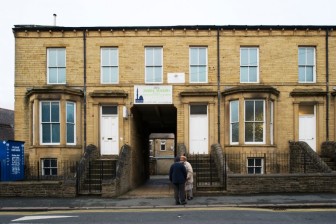
Bradford's oldest mosque was established by the Pakistani Muslim Association in 1958 at 30 Howard Street. It sits a row...
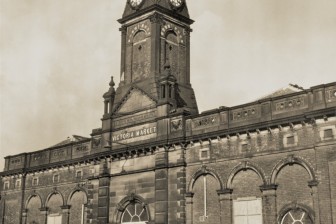
Robert Stanley led the project to build the Victoria Market Hall, just three years after he had been elected as...
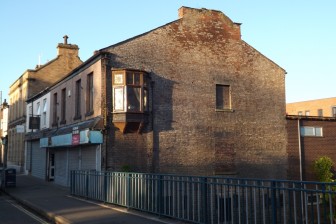
After getting married to Emma Meredith at the age of 19, Robert set up a grocers and tea shop with...
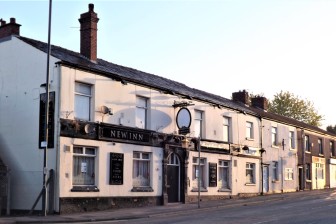
Shortly after stepping down as Mayor of Stalybridge, Robert, Emma, and some of his grown up children moved to the...
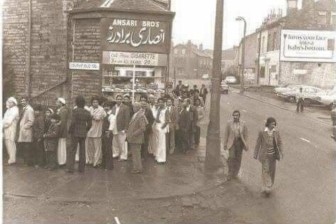
This masjid was established by Pir Maroof Hussain, a local spiritual leader who acknowledged the need for a place of...
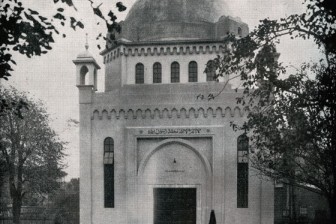
Located in Southfields, London near King George's Park and Southfields train station, the Fazl Mosque, also known as the London...
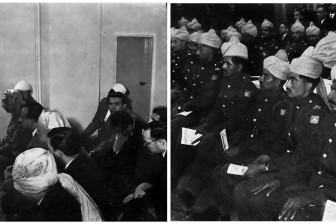
'The East London Mosque Trust has rich a history spanning more than a century. It is London’s oldest Mosque, serving...
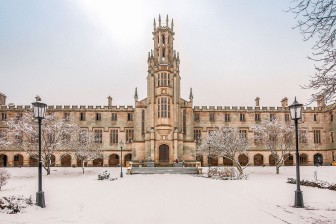
The grandiose building, which was finished in 1843, began life as the Lancashire Independent College, which belonged to the Congregational...
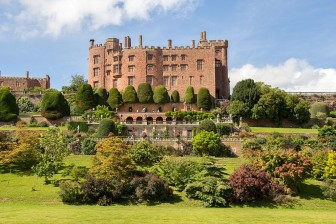
Tipu Sultan (r. 1782-1799) was the ruler of Mysore, an independent state in southern India. With his father, he was...
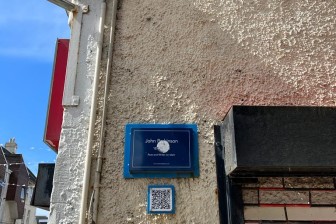
104 Main Street in Kilwinning, Ayrshire, was the birthplace and primary residence of John Parkinson (1874-1814), Britain's founding Muslim poet....
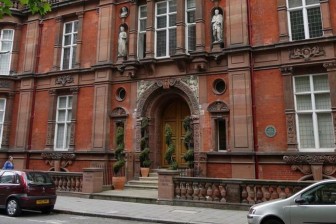
Caxton Hall is a location in which many momentous events occurred, including the assassination of Sir Michael O'Dwyer, the campaign...
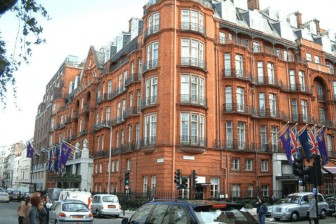
The history of Bangladesh's independence can be traced to the 1947 Partition of British India, and to the history of...
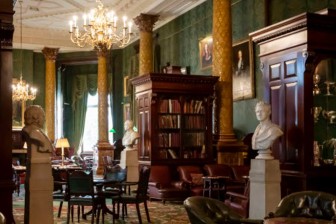
The National Liberal Club (NLC) was established by William Gladstone in 1882, to provide club facilities for Liberal Party campaigners. ...
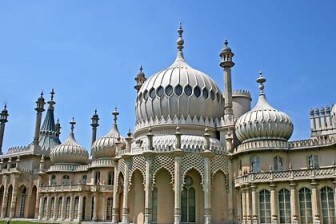
The Royal Pavilion, also known as the Brighton Pavilion, is a historic Grade I listed former royal residence situated in...
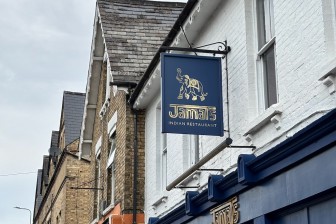
Jamal's Tandoori Restaurant has been a significant place of networking for Muslims across the city. During the 1950s and 1960s,...
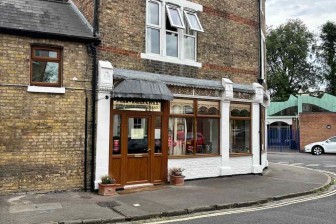
Al Shami restaurant was the site of Oxford's first halal butchers, and was established in the 1960s. Prior to its...

_reduced-thumb.jpg)
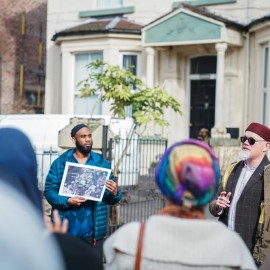
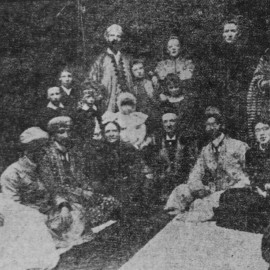
Built by the Quilliam Family, four generations lived in this house from the 1870s to the 1950s. Includes some biographical details of Quilliam's paternal grandfather, maternal grandfather, father and mother.
Abdullah Quilliam (1856-1932) was the founder of Britain's first attested mosque community in 1887. This was his ancestral family home in a smart residential suburb of East Liverpool, and was built by his paternal grandfather, Samuel Quilliam (1809-74), a watchmaker by profession. Samuel and his brother-in-law, Captain William Hughes, had bought a parcel of land in Fairfield in a speculation, then outside the city bounds. They were among the first two to take plots/homes in the road. Samuel is said to have designed the street layout and named it "The Crescent". It was normal for Samuel to invest his business profits in this way and he ended up owning a lot of residential housing as a result. Samuel's firm was listed as employing 30 men and 12 boys in the 1861 Census but expanded further to became a wholesale watchmaker with factories in Warrington and Coventry as well as Liverpool. Samuel's two sons, Robert (1831-89), Quilliam's father, and younger son John followed him into the family business and trained as watchmakers. Samuel was a noted teetotaler.
Quilliam's mother, Harriett Burrows (1832-1901, m. 1854) of Clarence St. Samuel Quilliam, Harriet and her father John were listed as living at 21 Fairfield Avenue in the 1881 Census. John Burrows was a Methodist lay preacher, surgeon and teetotaler, who was active with Samuel Quilliam in the reform movement of the noted Evangelical campaigner, Josephine Butler (1828-1906). Harriet and her father Dr Burrows were hon. sec. and vice-president of the local branch of Butler's Association for the Repeal of the Contagious Diseases Act. The Acts sought to reduce venereal disease in the armed forces. Police could arrest women in ports and military towns if they suspected these women were prostitutes and could force them to be examined for venereal disease. Harriet and her only child, the teenage Quilliam, were exposed to Butler's arguments on the sexual double standard and the iniquitous treatment of distraught women, and her use of scripture to contest the Church's treatment of women. Harriet was a Good Templar like her father and was appointed Grand Worthy Vice Templar of England, which meant that she was a senior figure in the Temperance Movement, which promoted teetotalism. Dr. Burrows was also a leader of the Untied Free Methodist Churches, a breakaway from the Wesleyans. Harriet remarried William Holehouse in 1890, a year after Robert passed away in 1889. Harriet converted to Islam in 1893 on her son's birthday. Both she and William Holehouse held officer roles at the Liverpool Muslim Institute. Harriet took the name Khadija and served as President of the LMI's Ladies Committee. In the week before her death, Harriet recited with holy fervor the first four verse of the 23rd Psalm, "attributed to Sidna Dawood" (as the Crescent reported it).
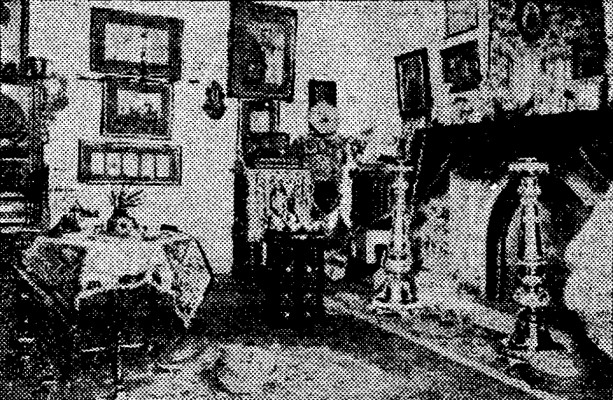
The home where Hannah, his first wife, whom Quilliam married in 1879 at the Fairfield Wesleyan Chapel in Laurel Road, and their four children lived at 21 Fairfield Crescent, in the 1890s (listed there in 1894). The four children they had together were Robert Ahmed (1880-1954), Elizabeth Bessima Khadijah (1882-1965), Harriet Hanifa (1883-1956), and William Henry Billal (1884-1965). Perhaps he inherited it in 1889 when his father, Robert, passed away. Quilliam would entertain VIPs who visited the Liverpool Muslim Institute. He also turned his front room into a museum that displayed artefacts and gifts he had collected on his travels. After 1909 when Hannah died, Quilliam married Mary at Preston Registry Office and she moved into this house, although Quilliam had left Liverpool by this time. Quilliam's oldest son, Robert Ahmed, was listed as dying at this house in 1954.
Newspapers.com (subscription only)
Ancestry.co.uk (subscription only)
Spotted an issue Report this record
Loading please wait