-Lord-Mayor-Liverpool,-MQRWU-President-and-founder-of-Liverpool-FC-overview.jpg)
A philanthropic body under the Poor Law Reform Act of 1832. Built workhouses, housing, schools and hospitals, including the famous...
A philanthropic body under the Poor Law Reform Act of 1832. Built workhouses, housing, schools and hospitals, including the famous...
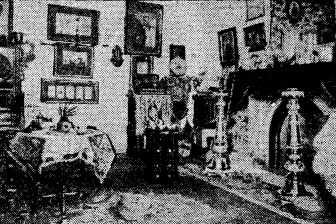
Built by the Quilliam Family, four generations lived in this house from the 1870s to the 1950s. Includes some biographical...
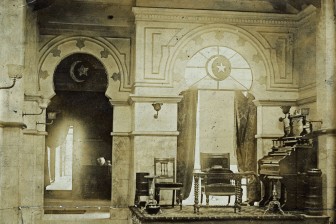
8 Brougham Terrace was the site of Britain's first attested mosque community, called the Liverpool Muslim Institute (LMI). It was...
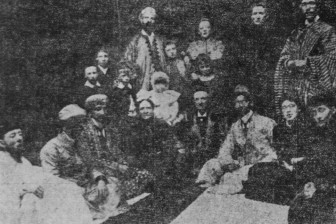
This entry includes information about the personal life of Abdullah Quilliam (1856-1932) and in particular about the two families in...
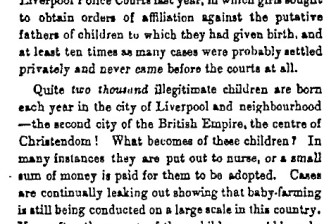
The Medina Home for Children was the first orphanage founded by Muslims in the UK, and was established in 1896....
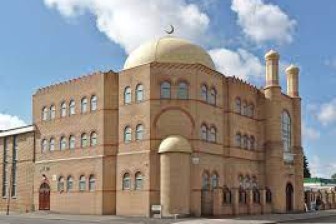
The Mosque was first founded in 1953 by the late Al-Haj Ali Hizzam, a house transformed into a mosque, Masjid...
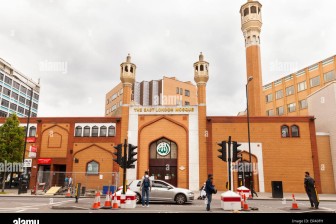
Located in the London Borough of Tower Hamlets, East London Mosque is a part of the London Muslim Centre and...
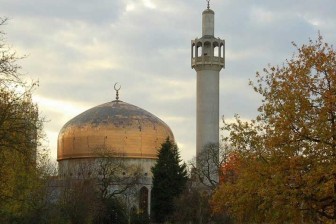
Located on the edge of Regent’s Park, the London Central Mosque, the land for the mosque was presented as a...
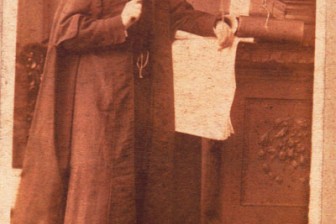
The Magistrates Courts (formerly known as the Police Courts) where the Muslim convert and solicitor William Henry Abdullah Quilliam (1856-1932)...
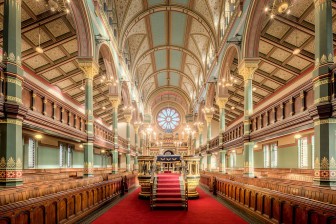
This is a Grade I listed building whose interior is built in an exuberant Orientalist style, a mix of Moorish,...
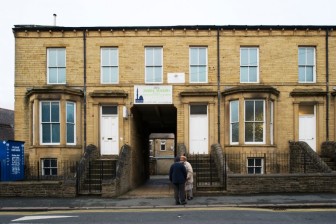
Bradford's oldest mosque was established by the Pakistani Muslim Association in 1958 at 30 Howard Street. It sits a row...
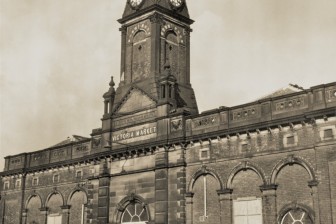
Robert Stanley led the project to build the Victoria Market Hall, just three years after he had been elected as...
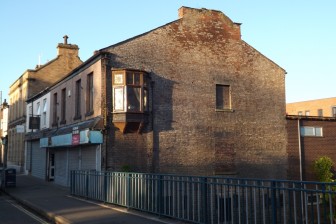
After getting married to Emma Meredith at the age of 19, Robert set up a grocers and tea shop with...
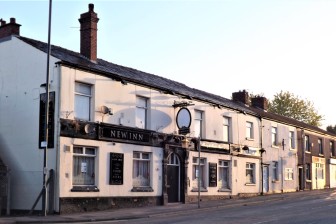
Shortly after stepping down as Mayor of Stalybridge, Robert, Emma, and some of his grown up children moved to the...
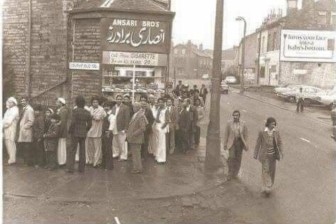
This masjid was established by Pir Maroof Hussain, a local spiritual leader who acknowledged the need for a place of...
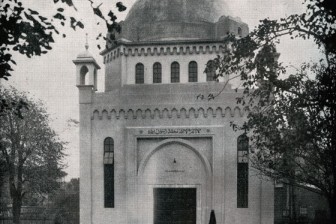
Located in Southfields, London near King George's Park and Southfields train station, the Fazl Mosque, also known as the London...
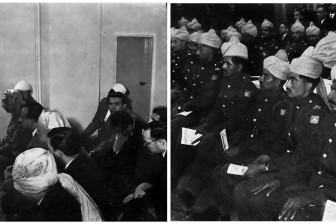
'The East London Mosque Trust has rich a history spanning more than a century. It is London’s oldest Mosque, serving...
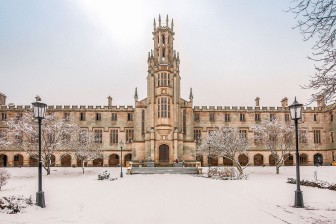
The grandiose building, which was finished in 1843, began life as the Lancashire Independent College, which belonged to the Congregational...
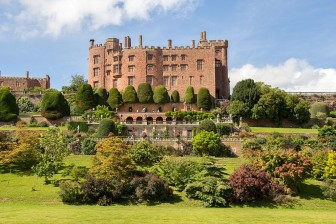
Tipu Sultan (r. 1782-1799) was the ruler of Mysore, an independent state in southern India. With his father, he was...
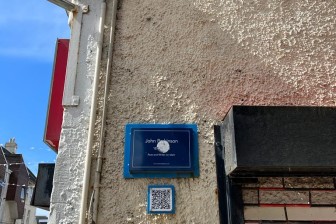
104 Main Street in Kilwinning, Ayrshire, was the birthplace and primary residence of John Parkinson (1874-1814), Britain's founding Muslim poet....
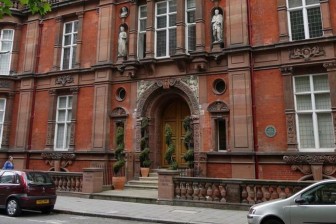
Caxton Hall is a location in which many momentous events occurred, including the assassination of Sir Michael O'Dwyer, the campaign...
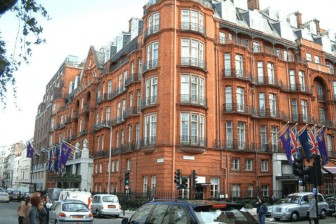
The history of Bangladesh's independence can be traced to the 1947 Partition of British India, and to the history of...
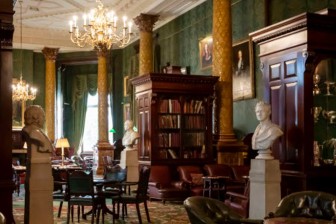
The National Liberal Club (NLC) was established by William Gladstone in 1882, to provide club facilities for Liberal Party campaigners. ...
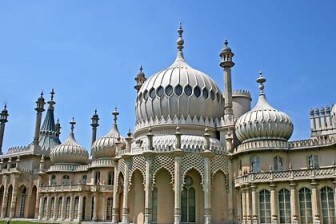
The Royal Pavilion, also known as the Brighton Pavilion, is a historic Grade I listed former royal residence situated in...
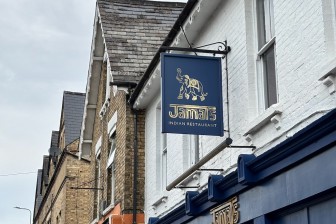
Jamal's Tandoori Restaurant has been a significant place of networking for Muslims across the city. During the 1950s and 1960s,...
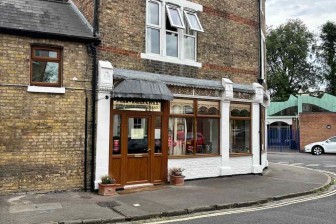
Al Shami restaurant was the site of Oxford's first halal butchers, and was established in the 1960s. Prior to its...
July 1985
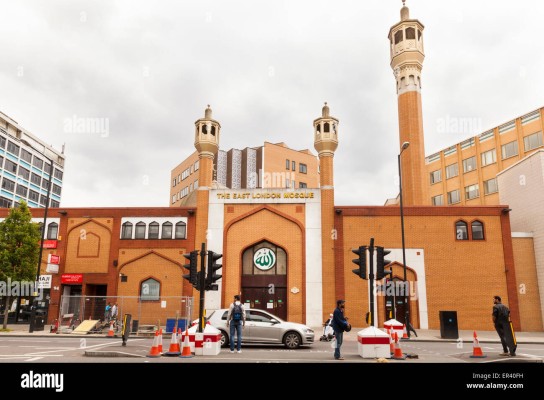
Located in the London Borough of Tower Hamlets, East London Mosque is a part of the London Muslim Centre and Maryam Centre, making it one of the largest mosques in Europe.
The East London Mosque Trust has rich a history spanning more than a century. It is London’s oldest Mosque, serving communities in the heart of the East End and beyond.
In 1910 some notable Muslim figures established the London Mosque Fund to create a mosque in London. By 1926 the Fund had grown to a sizeable amount and a Deed of Declaration of Trust was made. For the first three decades, rooms were hired for Friday prayers and special occasions.
In 1940 three houses were purchased in Commercial Road, London E1, and converted into a Mosque. It opened on Friday 1 August 1941; Lt. Col. Sir Hussain Suhrawardy, Chairman of the Executive Committee of the London Mosque Fund, welcomed worshippers to the newly established East London Mosque and Islamic Cultural Centre. The first prayer was led by the Ambassador for Saudi Arabia, His Excellency Shaikh Hafiz Wahab.
Over the years many distinguished personalities were associated with the London Mosque Fund. Among them, the Rt. Hon. Syed Ameer Ali, the first Indian Privy Counsellor, who was Chairman of London Mosque Fund Executive Committee until his death in 1928. His Royal Highness the Aga Khan served as life President of the Board of Trustees. Both Abdullah Yusuf Ali and Muhammad Marmaduke Pickthall, famous translators of the Qur’an, were trustees of the Fund. There were also a many non-Muslims who supported the need for a Muslim place of worship in London: Lord Lamington became a Vice-Chairman of the London Mosque Fund; historian Professor T. W. Arnold became its Honorary Secretary, and was later replaced by Sir Ernest Houston; Sir John Woodhead became its Treasurer; and the Rt. Hon. Earl Winterton was also a trustee of the Fund.
In 1975 the Greater London Council acquired the premises in Commercial Road under a compulsory purchase order. Temporary buildings were provided until the present mosque could be built in Whitechapel Road. In 1982 work on the new East London Mosque began, and was completed in 1985, opening to the public on Friday 12 July 1985.
This large, purpose-built mosque, complete with dome and minarets, soon became a landmark in London’s East End.
At it seemed generously spacious, but before long it began to overflow on Fridays and during Ramadan and Eid. Moreover, there was hardly room for the growing number of projects based at the mosque. In 1999 the East London Mosque ran a long and ultimately successful campaign to acquire adjoining land. HRH Prince Charles and HRH Prince Mohamed al-Faisal launched the project to build the London Muslim Centre next to the Mosque in 2001. Building work commenced a year later, and the new London Muslim Centre opened in June 2004.
The congregation continued to grow, and space for projects quickly filled up. In 2009, the next phase of development commenced, with the building of the Maryam Centre. It opened to the public in 2013, with extensive new facilities for women, more prayer space, a visitor centre, and improved funeral facilities.

“The East London Mosque & London Muslim Centre.” 2021. East London Mosque. March 23, 2021. https://www.eastlondonmosque.org.uk/.
“East London Mosque and London Muslim Centre Archive.” 2013. Jisc.ac.uk. 2013.
Spotted an issue Report this record
Loading please wait