-Lord-Mayor-Liverpool,-MQRWU-President-and-founder-of-Liverpool-FC-overview.jpg)
A philanthropic body under the Poor Law Reform Act of 1832. Built workhouses, housing, schools and hospitals, including the famous...
A philanthropic body under the Poor Law Reform Act of 1832. Built workhouses, housing, schools and hospitals, including the famous...
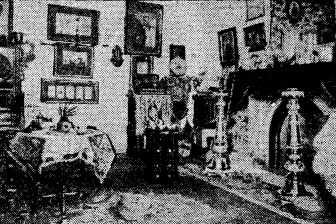
Built by the Quilliam Family, four generations lived in this house from the 1870s to the 1950s. Includes some biographical...
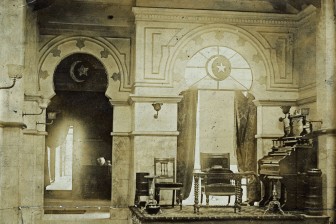
8 Brougham Terrace was the site of Britain's first attested mosque community, called the Liverpool Muslim Institute (LMI). It was...
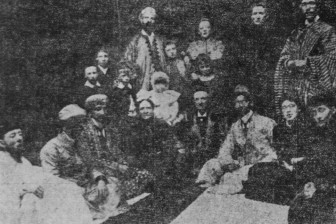
This entry includes information about the personal life of Abdullah Quilliam (1856-1932) and in particular about the two families in...
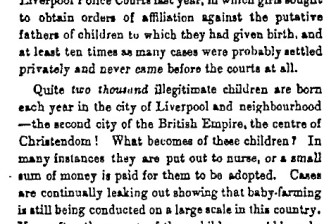
The Medina Home for Children was the first orphanage founded by Muslims in the UK, and was established in 1896....
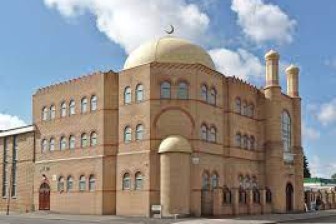
The Mosque was first founded in 1953 by the late Al-Haj Ali Hizzam, a house transformed into a mosque, Masjid...
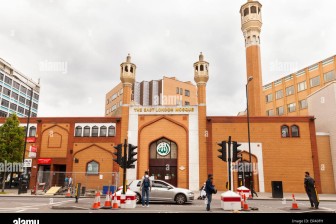
Located in the London Borough of Tower Hamlets, East London Mosque is a part of the London Muslim Centre and...
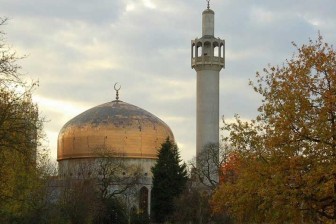
Located on the edge of Regent’s Park, the London Central Mosque, the land for the mosque was presented as a...
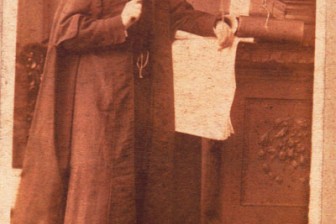
The Magistrates Courts (formerly known as the Police Courts) where the Muslim convert and solicitor William Henry Abdullah Quilliam (1856-1932)...
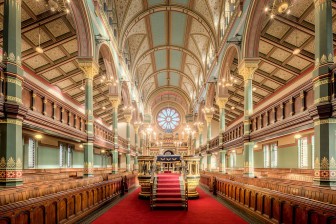
This is a Grade I listed building whose interior is built in an exuberant Orientalist style, a mix of Moorish,...
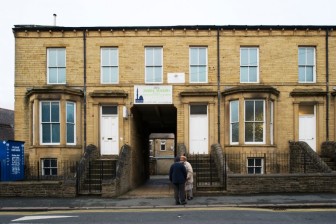
Bradford's oldest mosque was established by the Pakistani Muslim Association in 1958 at 30 Howard Street. It sits a row...
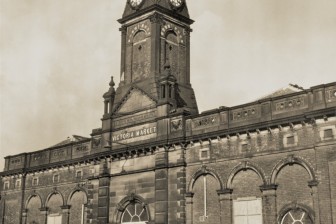
Robert Stanley led the project to build the Victoria Market Hall, just three years after he had been elected as...
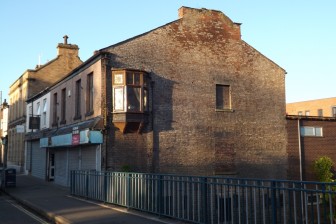
After getting married to Emma Meredith at the age of 19, Robert set up a grocers and tea shop with...
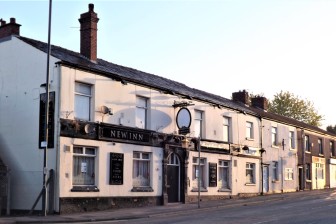
Shortly after stepping down as Mayor of Stalybridge, Robert, Emma, and some of his grown up children moved to the...
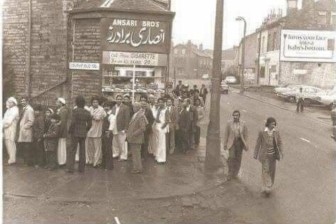
This masjid was established by Pir Maroof Hussain, a local spiritual leader who acknowledged the need for a place of...
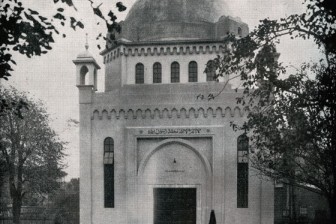
Located in Southfields, London near King George's Park and Southfields train station, the Fazl Mosque, also known as the London...
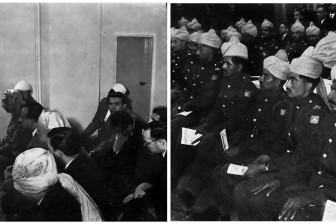
'The East London Mosque Trust has rich a history spanning more than a century. It is London’s oldest Mosque, serving...
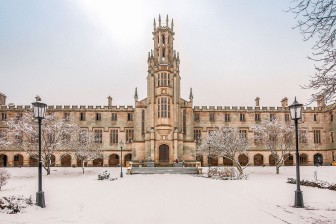
The grandiose building, which was finished in 1843, began life as the Lancashire Independent College, which belonged to the Congregational...
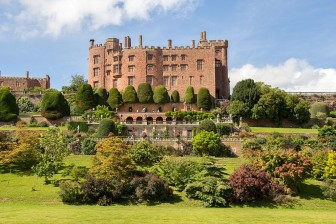
Tipu Sultan (r. 1782-1799) was the ruler of Mysore, an independent state in southern India. With his father, he was...
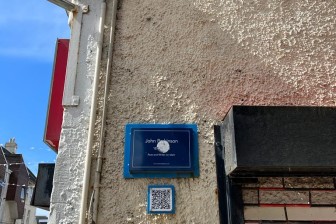
104 Main Street in Kilwinning, Ayrshire, was the birthplace and primary residence of John Parkinson (1874-1814), Britain's founding Muslim poet....
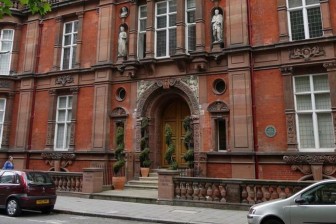
Caxton Hall is a location in which many momentous events occurred, including the assassination of Sir Michael O'Dwyer, the campaign...
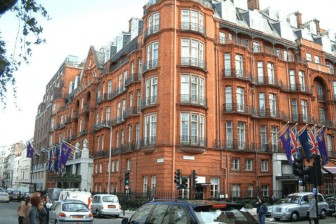
The history of Bangladesh's independence can be traced to the 1947 Partition of British India, and to the history of...
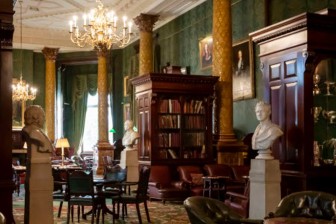
The National Liberal Club (NLC) was established by William Gladstone in 1882, to provide club facilities for Liberal Party campaigners. ...
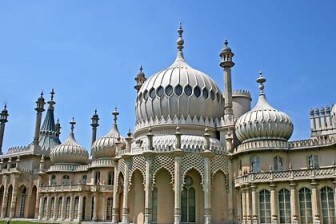
The Royal Pavilion, also known as the Brighton Pavilion, is a historic Grade I listed former royal residence situated in...
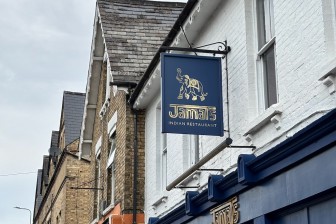
Jamal's Tandoori Restaurant has been a significant place of networking for Muslims across the city. During the 1950s and 1960s,...
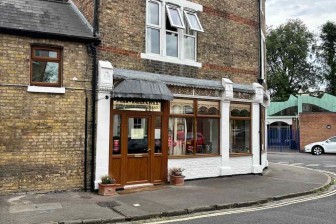
Al Shami restaurant was the site of Oxford's first halal butchers, and was established in the 1960s. Prior to its...
1851 - 1880
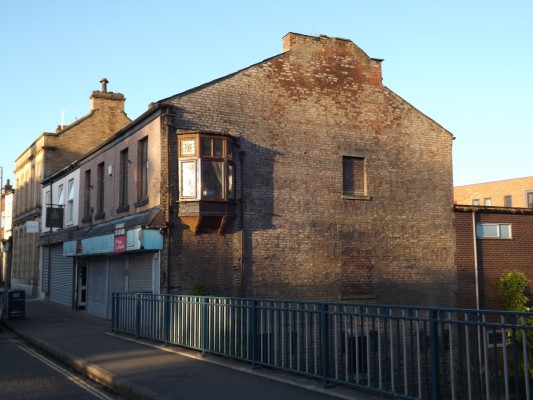
After getting married to Emma Meredith at the age of 19, Robert set up a grocers and tea shop with her in the centre of the growing town of Stalybridge, the first of which is listed in the 1851 Census. During the Lancashire Cotton Famine of 1861‒5, where thousands and thousands of workers in Lancashire faced starvation when the abolitionist North in the American Civil War blockaded the progress of the slaver’s cotton ships to Manchester, the centre of Stalybridge saw major bread riots in 1863, which took place right outside of Robert's home and business. To keep the rioters at bay from destroying the shop, Robert threw all the food out of the top window.
It is probably through his work as a tea trader that Robert first met Muslims and other Ottoman citizens at Manchester's Old Corn Exchange. At the time, a significant amount of the supply routes for tea came through Ottoman traders.
Robert and Emma Stanley and their family of 11 children (ten living into childhood) lived above their grocers and tea shop during the period of 1848 to the 1880s, living in just three rooms.
The first location was 27 Melbourne St, SK15 2JE, which was attacked during the bread riots, while the second location was just down the road at 5 Melbourne St SK15 2JE (pictured) which adjoins the south bank of the River Tame.

Christina Longden, His Own Man: A Victorian ‘Hidden’ Muslim, The Life and Times of Robert ‘Reschid’ Stanley (Past Truisms CIC: 2019).
Christina Longden, Imagining Robert: Scenes from the life of Robert ‘Reschid’ Stanley 1828–1911 (Past Truisms CIC: 2019).
Email correspondence with Christina Longden, 2023.
Spotted an issue Report this record
Loading please wait