-Lord-Mayor-Liverpool,-MQRWU-President-and-founder-of-Liverpool-FC-overview.jpg)
A philanthropic body under the Poor Law Reform Act of 1832. Built workhouses, housing, schools and hospitals, including the famous...
A philanthropic body under the Poor Law Reform Act of 1832. Built workhouses, housing, schools and hospitals, including the famous...
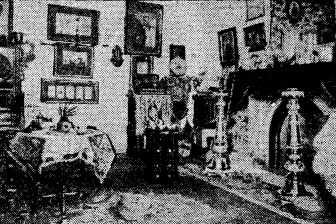
Built by the Quilliam Family, four generations lived in this house from the 1870s to the 1950s. Includes some biographical...
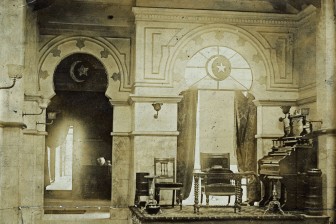
8 Brougham Terrace was the site of Britain's first attested mosque community, called the Liverpool Muslim Institute (LMI). It was...
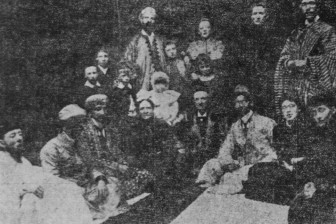
This entry includes information about the personal life of Abdullah Quilliam (1856-1932) and in particular about the two families in...
The Medina Home for Children was the first orphanage founded by Muslims in the UK, and was established in 1896....
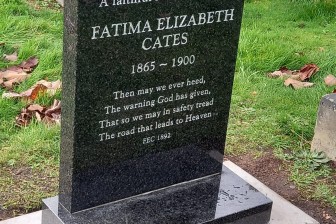
Fatima Elizabeth Cates (5 January 1865-29 October 1900) was probably the first woman to convert to Islam in Merseyside, who...
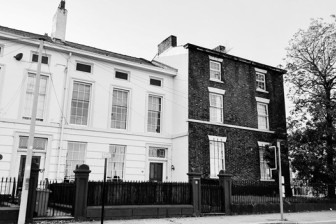
This was the residence of Fatima Elizabeth Cates (1865-1900), as listed in the 1891 Census, among the first women to...
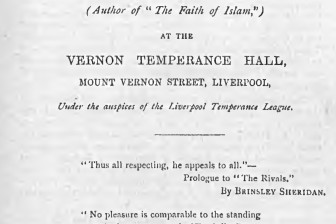
This was the site of the first Muslim prayer hall in the UK, which was formally established as the Liverpool...
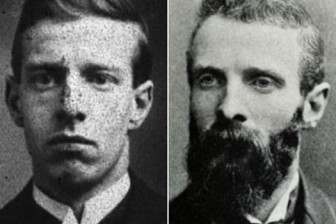
Fatima Elizabeth Cates (1865-1900) lived at "Granada", Victoria Road, in the town of West Kirby on the western side of...
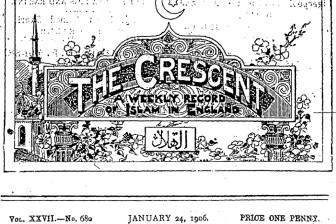
The first location of the printing offices of the first Muslim periodical published in Britain, the weekly Crescent (1893-1908), the...
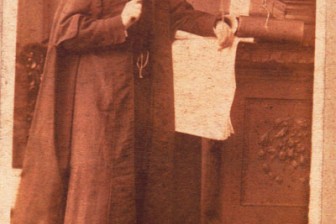
The Magistrates Courts (formerly known as the Police Courts) where the Muslim convert and solicitor William Henry Abdullah Quilliam (1856-1932)...
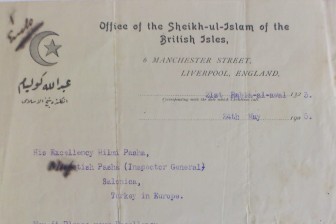
The chambers of Quilliam and Sons, headed by a convert to Islam, the lawyer and journalist, William Henry Abdullah Quilliam...
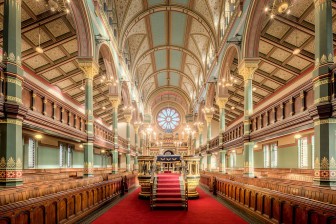
This is a Grade I listed building whose interior is built in an exuberant Orientalist style, a mix of Moorish,...
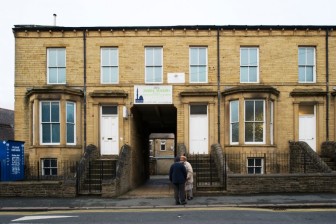
Bradford's oldest mosque was established by the Pakistani Muslim Association in 1958 at 30 Howard Street. It sits a row...
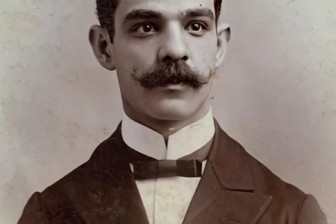
One nineteenth century couple are an early example of an intercultural Muslim marriage. They were Ali and Amy Mokaiesh who...
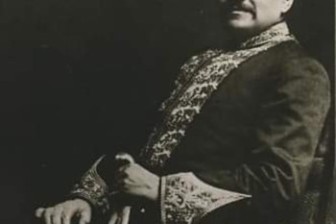
Mustapha Karsa (pictured circa 1900) was born in Damascus in around 1848 to a wealthy landowning family. In 1880-1, Karsa...
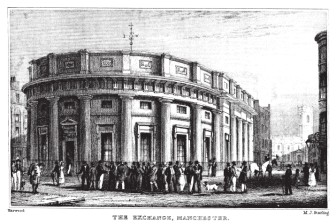
Abdullah Ydlibi [Idlibi] (c.1820-85) came from a family of Arab notables in administration, politics and trade, with branches in Damascus...
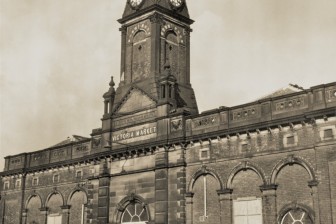
Robert Stanley led the project to build the Victoria Market Hall, just three years after he had been elected as...
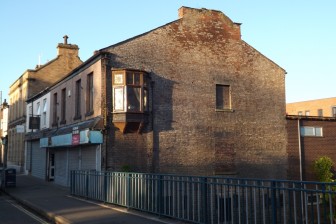
After getting married to Emma Meredith at the age of 19, Robert set up a grocers and tea shop with...
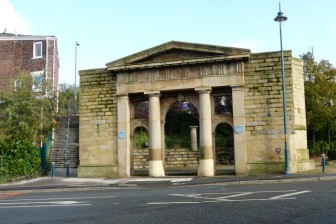
Stalybridge Town Hall was built in 1831. It saw two additional extensions during the Victorian period and was one of...
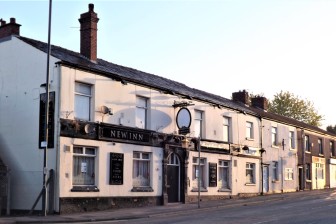
Shortly after stepping down as Mayor of Stalybridge, Robert, Emma, and some of his grown up children moved to the...
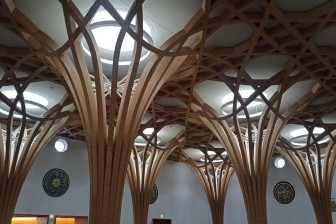
The Cambridge Central Mosque is the first purpose-built eco-mosque in Europe, completed at a cost of £24 million in March...
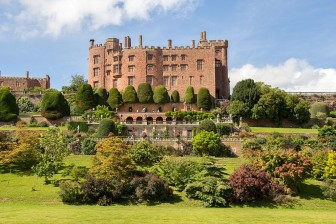
Tipu Sultan (r. 1782-1799) was the ruler of Mysore, an independent state in southern India. With his father, he was...
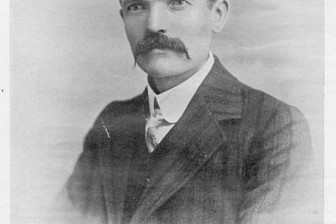
Yahya Parkinson (1874-1918), Scottish Muslim poet, essayist, and critic, was born in Kilwinning, Ayrshire, Scotland, of Irish descent. Born John...
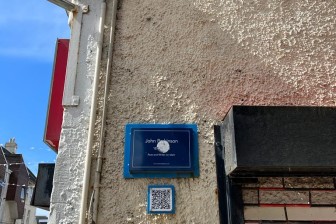
104 Main Street in Kilwinning, Ayrshire, was the birthplace and primary residence of John Parkinson (1874-1814), Britain's founding Muslim poet....
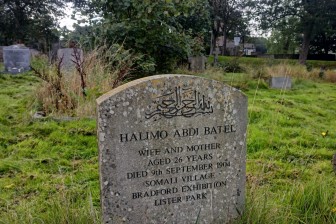
Halimo Abdi Betal (1878-1904) is probably the first Muslim to have been buried in Bradford; she died at the young...
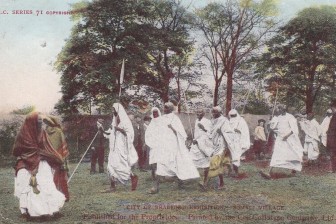
In 1904, the great Bradford Exhibition was held in Lister Park. It was held to inaugurate the newly-built Cartwright Hall,...
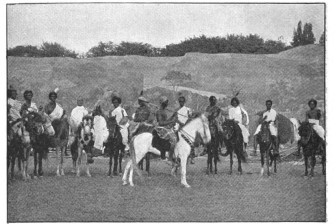
In late April 1895, a group of sixty-six Somalis arrived at the Tilbury Docks aboard the Clan Ross. They came...
April 1895 - October 1895
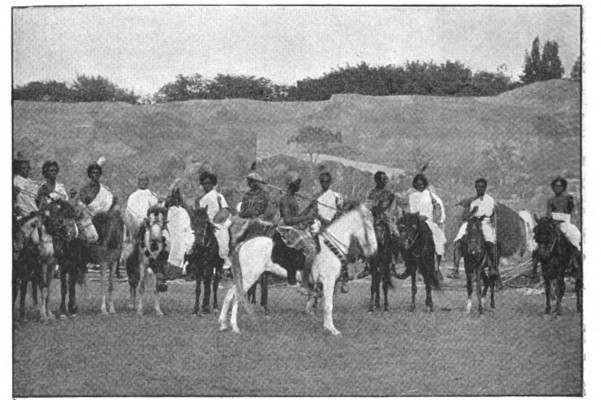
In late April 1895, a group of sixty-six Somalis arrived at the Tilbury Docks aboard the Clan Ross. They came to form the East African village at the Crystal Palace in London over the coming months; it was claimed at the time that this was the first ever Somali group to visit England. Described by the London press in racializing terms as a "very fine type" with gleaming white teeth and burnished copper skin, these Somalis were accompanied by six children, a menagerie of animals, and the materials to construct their huts for the summer exhibition. Five of them were women, and it was later claimed in 1904 that Halimo Abdi Batel who died in Bradford at a Somali village exhibition (see the entry on her in this collection), had been one of the five. An imam also travelled with the troupe. During May the weather was bad, and fourteen of the troupe became ill, some of whom were reported to have been in "great peril".
This venture was orchestrated by the German entrepreneur Carl Hagenbeck, who aimed to present what he considered to be a complete depiction of African life on the slopes of Sydenham Hill. The son of an animal trader, Hagenbeck began to bring colonized peoples to tour in Europe from the mid-1880s, and conceived of his shows as a form of infotainment, striving to be authentic depictions of native while also being entertaining. In reality, these two goals worked against each other, so what was co-curated between colonized peoples and their imperial sponsors was reinvention and performance of non-European customs and occupations to entertain European peoples. Hagenbeck considered the shows more authentic if colonized peoples were displayed riding or herding the animals they tended at home: he considered them "zoological-anthropological" shows. The show at Crystal Palace featured the Somalis camel-racing among other performances.
The Crystal Palace exhibition featured over three hundred animals, including 24 lions and 250 sheep, as well as giant pythons, aimed to be a spectacular event. It opened on 18 May 1895, facing direct competition from Imre Kiralfy's Empire of India Exhibition at Earl's Court. The Duke and Duchess of York even visited the Somalis at the Crystal Palace. Advertising claimed an attendance of over 42,000 people on the opening day, with the London press praising the exhibition as "most interesting" and "quite natural".
In mid-June, the Somalis were taken to the London zoo, where they encountered various animals and expressed interest in giraffes that had been brought from Somalia. While news reporting of a September interview with the Somalis might not be taken at face value, it indicated that the Somalis had been content with their experience but were ready to leave Sydenham. They had received gifts, and Hagenbeck's son taught two Somali boys to ride bicycles, who preferred the nearby Catford cycle track to the grassy slopes of Sydenham.
The Somalis departed from Gravesend in early October 1895. Hundreds of thousands of Britons had witnessed their presence during the summer months of that year.

Jeffrey Green, "Somalis in London in 1895.” (November 2019). https://jeffreygreen.co.uk/217-somalis-in-london/.
Lee Jackson, “Victorian London - Entertainment and Recreation - Exhibitions - the African Exhibition.” The Dictionary of Victorian London, 2023. https://www.victorianlondon.org/entertainment2/africanexhibition.htm.
Hilke Throde-Arora, "Hagenbeck's European Tours: The Development of the European Zoo" in Pascal Blanchard et al (eds) Human Zoos: Science and Spectacle in the Age of Colonial Empires (Liverpool: University Press, 2008), pp. 165-173.
Wikimedia Commons (photograph).
Spotted an issue Report this record
Loading please wait