-Lord-Mayor-Liverpool,-MQRWU-President-and-founder-of-Liverpool-FC-overview.jpg)
A philanthropic body under the Poor Law Reform Act of 1832. Built workhouses, housing, schools and hospitals, including the famous...
A philanthropic body under the Poor Law Reform Act of 1832. Built workhouses, housing, schools and hospitals, including the famous...
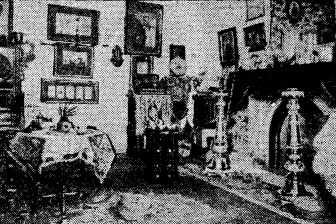
Built by the Quilliam Family, four generations lived in this house from the 1870s to the 1950s. Includes some biographical...
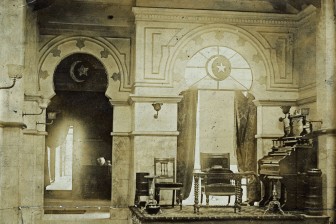
8 Brougham Terrace was the site of Britain's first attested mosque community, called the Liverpool Muslim Institute (LMI). It was...
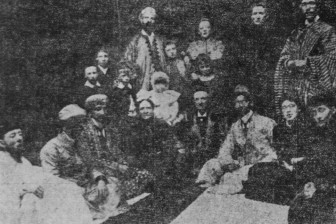
This entry includes information about the personal life of Abdullah Quilliam (1856-1932) and in particular about the two families in...
The Medina Home for Children was the first orphanage founded by Muslims in the UK, and was established in 1896....
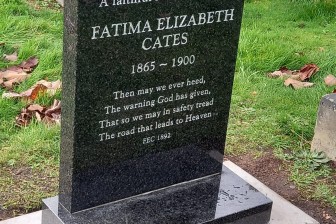
Fatima Elizabeth Cates (5 January 1865-29 October 1900) was probably the first woman to convert to Islam in Merseyside, who...
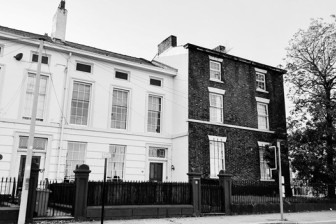
This was the residence of Fatima Elizabeth Cates (1865-1900), as listed in the 1891 Census, among the first women to...
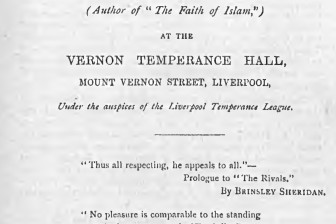
This was the site of the first Muslim prayer hall in the UK, which was formally established as the Liverpool...
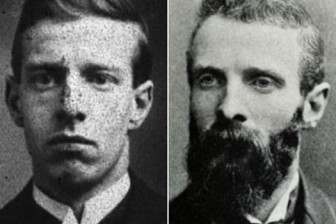
Fatima Elizabeth Cates (1865-1900) lived at "Granada", Victoria Road, in the town of West Kirby on the western side of...
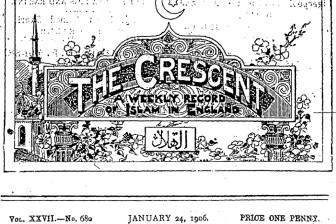
The first location of the printing offices of the first Muslim periodical published in Britain, the weekly Crescent (1893-1908), the...
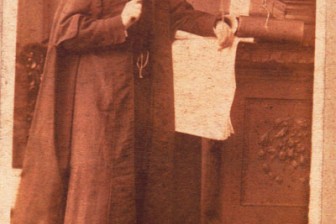
The Magistrates Courts (formerly known as the Police Courts) where the Muslim convert and solicitor William Henry Abdullah Quilliam (1856-1932)...
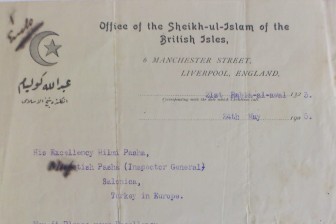
The chambers of Quilliam and Sons, headed by a convert to Islam, the lawyer and journalist, William Henry Abdullah Quilliam...
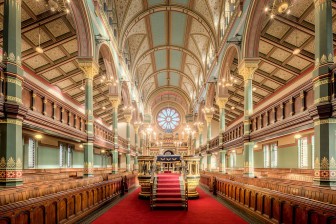
This is a Grade I listed building whose interior is built in an exuberant Orientalist style, a mix of Moorish,...
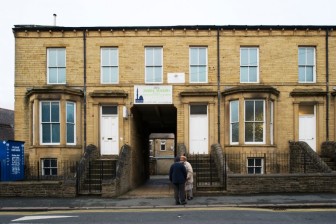
Bradford's oldest mosque was established by the Pakistani Muslim Association in 1958 at 30 Howard Street. It sits a row...
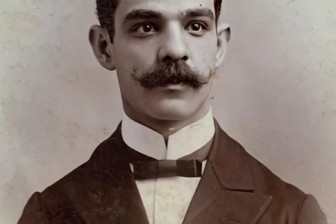
One nineteenth century couple are an early example of an intercultural Muslim marriage. They were Ali and Amy Mokaiesh who...
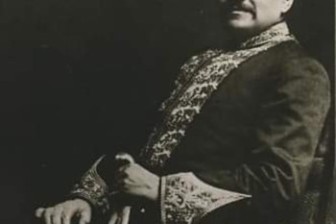
Mustapha Karsa (pictured circa 1900) was born in Damascus in around 1848 to a wealthy landowning family. In 1880-1, Karsa...
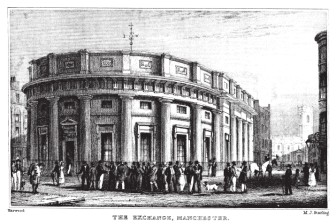
Abdullah Ydlibi [Idlibi] (c.1820-85) came from a family of Arab notables in administration, politics and trade, with branches in Damascus...
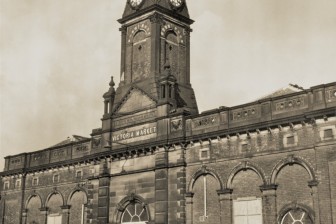
Robert Stanley led the project to build the Victoria Market Hall, just three years after he had been elected as...
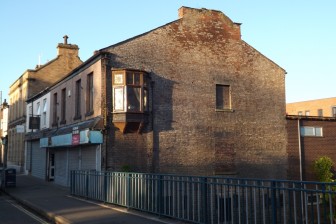
After getting married to Emma Meredith at the age of 19, Robert set up a grocers and tea shop with...
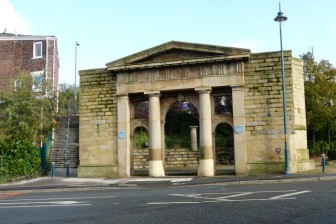
Stalybridge Town Hall was built in 1831. It saw two additional extensions during the Victorian period and was one of...
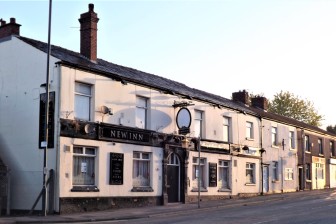
Shortly after stepping down as Mayor of Stalybridge, Robert, Emma, and some of his grown up children moved to the...
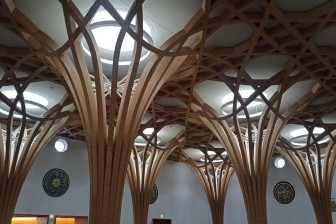
The Cambridge Central Mosque is the first purpose-built eco-mosque in Europe, completed at a cost of £24 million in March...
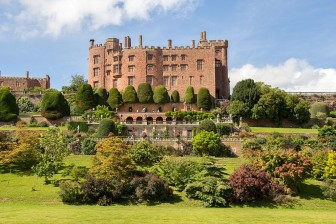
Tipu Sultan (r. 1782-1799) was the ruler of Mysore, an independent state in southern India. With his father, he was...
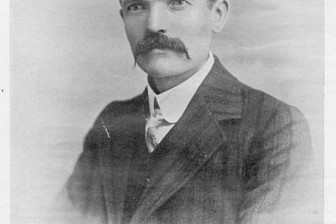
Yahya Parkinson (1874-1918), Scottish Muslim poet, essayist, and critic, was born in Kilwinning, Ayrshire, Scotland, of Irish descent. Born John...
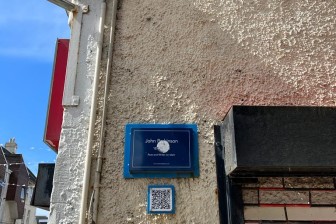
104 Main Street in Kilwinning, Ayrshire, was the birthplace and primary residence of John Parkinson (1874-1814), Britain's founding Muslim poet....
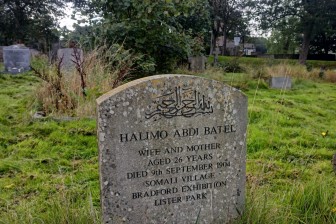
Halimo Abdi Betal (1878-1904) is probably the first Muslim to have been buried in Bradford; she died at the young...
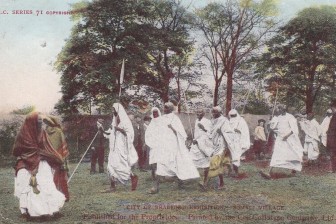
In 1904, the great Bradford Exhibition was held in Lister Park. It was held to inaugurate the newly-built Cartwright Hall,...
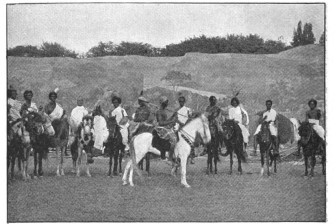
In late April 1895, a group of sixty-six Somalis arrived at the Tilbury Docks aboard the Clan Ross. They came...
1899 - 1902
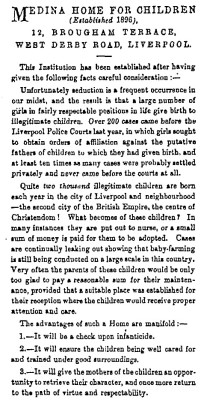
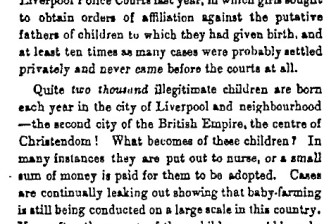
The Medina Home for Children was the first orphanage founded by Muslims in the UK, and was established in 1896. It took care of illegitimate children who had been abandoned.
When it opened, it was gifted a donation by Caliph Abdul Hamid II, the only direct donation from him recorded in The Crescent, but generally it was supported through weekly donations and fundraising drives by members of the Liverpool Muslim Institute in Liverpool and Manchester. The idea of the Home was that these children would be brought up as Muslims; in one 1897 address, the president of the Liverpool Muslim Institute, Abdullah Quilliam (1856-1932) hyperbolically hoped that they would later come to serve as the Janissaries of Islam in England. The older children took part in the life of the Muslim Liverpool Institute, joining the Eid celebrations and they formed part of a youth drill regiment based on the Ottoman model, which performed outside the Institute on the occasion of the Lord Mayor's visit for Eid al-Fitr in 1898. There are a number of reports that many of the abandoned infants taken in the Home struggled with ill-health, despite the attentions of the doctor who was employed to visit the children regularly. When any children died from ill-health at the Home, they would be buried as Muslims.
A thorough study has yet to be done on how the orphanage operated, but this much can be said. This institution was primarily run by the women associated with the LMI, both converts and non-converts; the Liverpool Mercury described it as jointly run by Muslim and Christian women. The longstanding treasurer was Quilliam's first wife, Hannah (1858-1909), who remained a devout Methodist throughout her life, notwithstanding her husband's conversion. One Indian law student at Cambridge, Mian Fazl-i-Husain (1887-1936), who founded the Cambridge Islamic student society and who later became a noted politician in British India, visited the Home in 1901 and remarked that the matron in charge knew very little of the principles of Islam to be able to teach it to the children there. The numbers of children at the Home were about ten. Ambitious plans to expand the Home to house 200 children never materialised. In 1902, it was reported that fundraising had only met a quarter of its running costs that year (the rest, some £100, was subsidized by Quilliam himself).
The Home was located at 12 Brougham Terrace (no longer existing) within the Liverpool Muslim Institute (Nos. 8-12) after its establishment in 1896, but it moved to 4 Sheil Road in 1899 (a three-storey Victorian terraced house that is still intact), and then to 68 Sheil Road (no longer existing) in 1902.

Newspapers.com (subscription only)
Ancestry.co.uk (subscription only)
Azim Husain (ed.), Mian Fazl-i Husain: Glimpses of Life and Work, 1898-1936 (Lahore: Sang-e-Meel Publications, 1995), p.87.
Spotted an issue Report this record
Loading please wait