Key
- Building
- Blue plaque
- People
- Walks / Tours / Trails
- Museum and Archive
- Heritage Project
- Organisation or Family History
- Cemeteries & graves
- Academia
- Publication and Articles
- Place
- Digital Resources
- Art & Culture
- Film and TV
- Mosques and Shrines
- Monuments /Memorials
As you move and zoom the map this panel will show you all the records that are currently in view on the map.

-Lord-Mayor-Liverpool,-MQRWU-President-and-founder-of-Liverpool-FC-thumb.jpg)
-(1)-thumb.jpg)




-thumb.jpg)



-thumb.jpg)








-thumb.jpg)


-(1)-thumb.jpg)













-thumb.jpg)



















1569
Aura Sultana
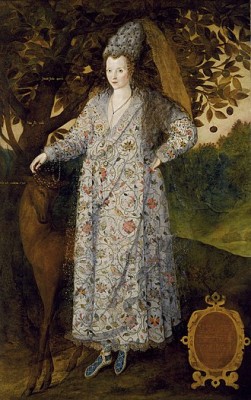
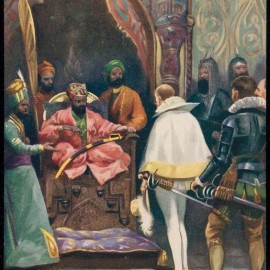
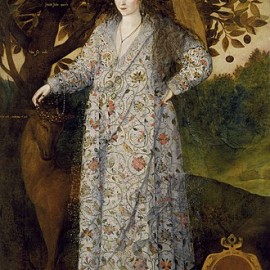
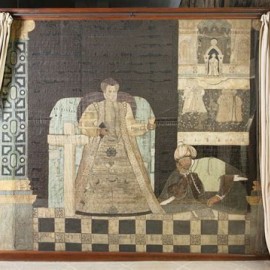
Aura Sultana was a young Central Asian Slave girl of Tatar origin. She had been purchased by English explorer, Anthony Jenkinson who brought her to England as a gift for Queen Elizabeth I and she is possibly one of the first Muslim women recorded in England. Once brought to the court of Elizabeth she was christened and well looked after by the Queen who gifted her with expensive clothing as well as silver and gold.
In September 1559, Jenkinson wrote a letter in Moscow to a trading colleague thanking him for "my wench Aura Soltana". Richard Hakluyt an English writer, identified this woman as "a young Tartar whiche he gave to the Queen afterward". Jenkinson wrote that the "price of a Nagayan Tartar slave" in Astrakhan was "a loaf of bread worth sixpence in England".

Sources and Attribution
Fatima Manji, Hidden Heritage, Rediscovering Britain's Lost Love of the Orient, 2022, pg 29
Ladan Niayesh, 'Patterning the Tatar Girl in George Puttenham's The Art of English Poesie', Jyotsna G. Singh, A Companion to the Global Renaissance: Literature and Culture in the Era of Expansion, 1500-1700 (John Wiley, 2021), p. 378.
Bernadette Andrea, 'The Tartar Girl, The Persian Princess, And Early Modern English Women's Authorship From Elizabeth I To Mary Wroth', Anke Gilleir, Alicia Montoya, Suzan van Dijk, Women Writing Back / Writing Women Back: Transnational Perspectives from the Late Middle Ages to the Dawn of the Modern Era (Brill, 2010), p. 264.
Licensing
Spotted an issue Report this record