Key
- Building
- Blue plaque
- People
- Walks / Tours / Trails
- Museum and Archive
- Heritage Project
- Organisation or Family History
- Cemeteries & graves
- Academia
- Publication and Articles
- Place
- Digital Resources
- Art & Culture
- Film and TV
- Mosques and Shrines
- Monuments /Memorials
As you move and zoom the map this panel will show you all the records that are currently in view on the map.
-Lord-Mayor-Liverpool,-MQRWU-President-and-founder-of-Liverpool-FC-thumb.jpg)
-(1)-thumb.jpg)
-thumb.jpg)
-thumb.jpg)
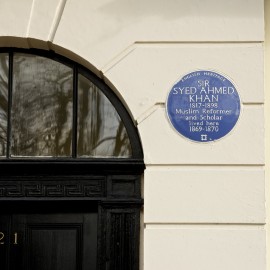
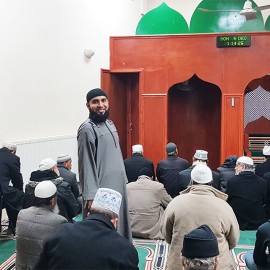

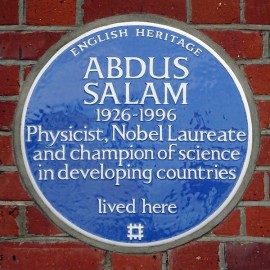
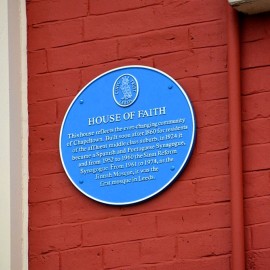
-thumb.jpg)

-(1)-thumb.jpg)

-thumb.jpg)








1990
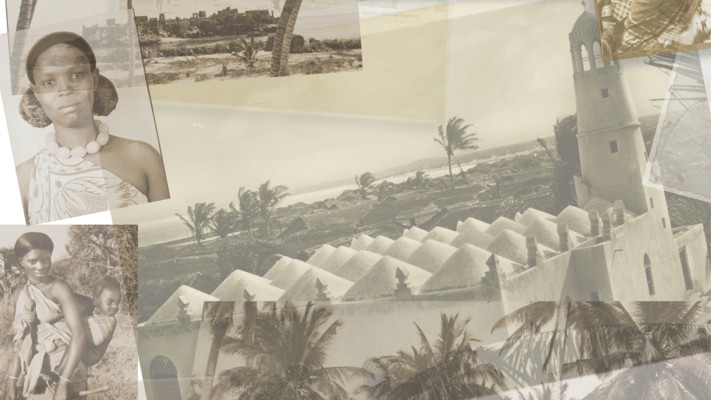
Somali History in Bristol


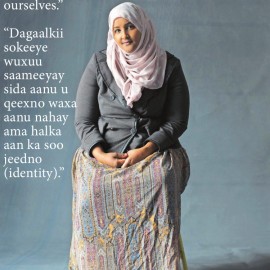
History:
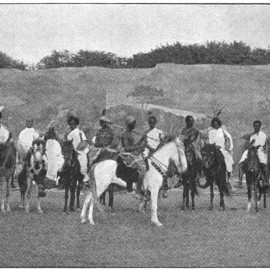
During the 1800s, Yemen was utilised by Britain as a layover point on the route to India, and a base was established in the area, leading to the acquisition of Somaliland under British control. France and Italy also established colonies in the region, including Djibouti and Somalia respectively. Somali sailors working on British merchant vessels began to settle in British ports.
In the 1960s, as opportunities in the merchant navy dwindled, many Somali families who were already established in the UK migrated to industrial cities such as Birmingham, Sheffield, Manchester, and Cardiff. Meanwhile, in the Horn of Africa, the British and Italian colonies of Somaliland and Somalia gained full independence and merged to form the United Republic of Somalia, which was later ruled by socialist dictator Mohammed Siad Barre.
In the 1980s, opposition to the president grew as he appointed members of his own clan to governmental positions, leading to the formation of guerrilla groups seeking to overthrow him. In response to the ensuing unrest, Somalis began to arrive in Bristol as refugees. By 1991, civil war had erupted in Somalia, resulting in the collapse of the central government and an increasing number of refugees seeking asylum in Bristol.
During this period, Somaliland, a former British territory, declared independence from the United Republic of Somalia. Although an internationally-backed government was established in the south, it struggled to exert control, leading to the deployment of United Nations peacekeepers.
In the 2000s, Somaliland established governmental structures and attempted to restore the pre-1960s borders. Meanwhile, a new transitional parliament was formed in Kenya and began to return to Somalia. However, a coalition of Islamist courts seized control of Mogadishu and much of the country's south.
In recent years, an internationally-supported government has been installed in Somalia, and the country is gradually stabilising. Nevertheless, Al-Shabab insurgents affiliated with Al-Qaeda continue to threaten peace and stability. From 2010 to 2012, famine alone claimed the lives of nearly 260,000 people, and Somalis continue to arrive in Bristol seeking refuge. Others arrive for a variety of reasons, including education, employment, and love.
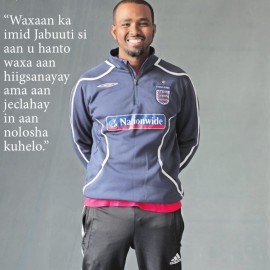
The first Bristol Somali Festival was held in 2015 to celebrate the established Somali community, and it has since grown in popularity and prominence.
Overview:
The Somali people have a long and complex history of migration, driven by a range of social, economic, and political factors. The migration of Somalis to the UK and Bristol in particular can be traced back to the post-World War II period, when the UK experienced significant labour shortages and actively recruited workers from its former colonies, including Somalia.
However, the bulk of Somali migration to the UK and Bristol occurred in the 1990s and early 2000s, following the collapse of the Somali state in 1991 and the outbreak of civil war. Many Somalis fled their homes and sought refuge in neighboring countries, such as Kenya and Ethiopia. Some were eventually resettled in the UK as refugees under the UNHCR resettlement program.
Bristol became a popular destination for Somali refugees due to its reputation as a welcoming and inclusive city, as well as its proximity to other established Somali communities in the UK. Additionally, the city's thriving economy and job opportunities were attractive to many Somali migrants seeking to rebuild their lives.
Today, the Somali community in Bristol is an integral part of the city's cultural and economic fabric, with many Somalis owning businesses and contributing to the local economy, with around 20,000 people of Somali heritage in Bristol.
Related links
Sources and Attribution
https://www.bristolmuseums.org.uk/stories/somalis-in-bristol/
Licensing
Spotted an issue Report this record