
Key
- Building
- Blue plaque
- People
- Walks / Tours / Trails
- Museum and Archive
- Heritage Project
- Organisation or Family History
- Cemeteries & graves
- Academia
- Publication and Articles
- Place
- Digital Resources
- Art & Culture
- Film and TV
- Mosques and Shrines
- Monuments /Memorials
As you move and zoom the map this panel will show you all the records that are currently in view on the map.





-Lord-Mayor-Liverpool,-MQRWU-President-and-founder-of-Liverpool-FC-thumb.jpg)
-(1)-thumb.jpg)




-thumb.jpg)


-thumb.jpg)









-thumb.jpg)


-(1)-thumb.jpg)
























-thumb.jpg)































1925
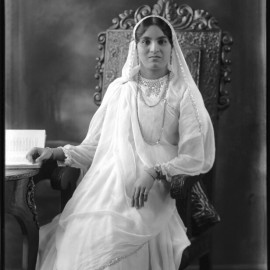
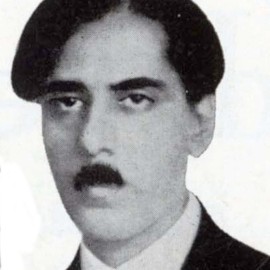
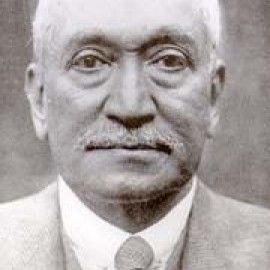
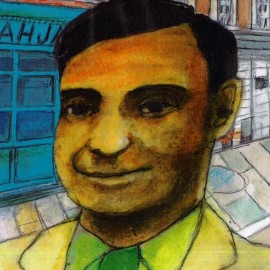
Samuel Fyzee-Rahamin
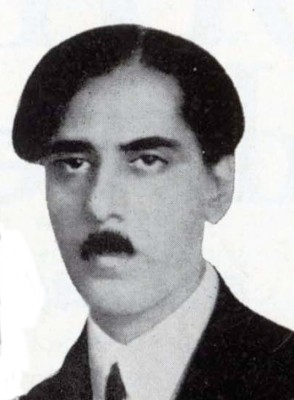

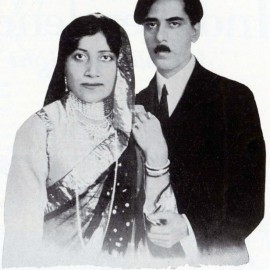
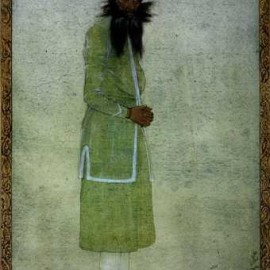
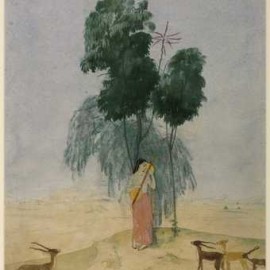
Born on 19th December 1880, in Poona, Samuel Rahamin's family were part of the Bene Israel, a cultivated Jewish community that had had a presence in India for centuries. Rahamin's first note as an artist starts with his enrolment in the Sir J. J. School of Art, in Mumbai.
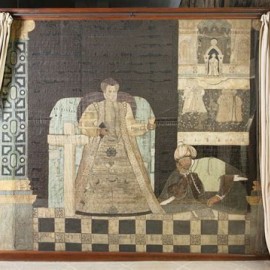
He was perhaps best known in India for painting two domes of the Imperial Secretariat in New Delhi, but his work is also preserved at Tate Britain and the Manchester City Art Gallery. In 1925, his first work entered the Tate collection, presented by Sir Vincent Sassoon. The painting, Raagni Todi, Goddess Tune, marks the first representation of Fyzee-Rahamin's work in a national art collection in Britain. He is likely the first Muslim artist to enter the collection of the Tate Gallery, and perhaps even the first non-European artist to enter this collection too.
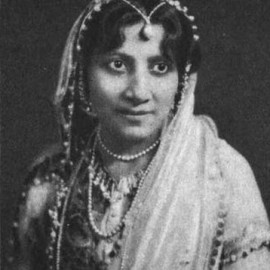
In the late 1930s two of Samuel's plays, Daughter of Ind and Invented Gods, were staged in London with music and choreography by his wife Atiya. Public reception of their artistic endeavours was often no more than lukewarm, particularly in India, but their combined contribution to music, dance, theatre, the visual arts, and literature was considerable.
Related links
Collections this record belongs to
Licensing
Spotted an issue Report this record