Key
- Building
- Blue plaque
- People
- Walks / Tours / Trails
- Museum and Archive
- Heritage Project
- Organisation or Family History
- Cemeteries & graves
- Academia
- Publication and Articles
- Place
- Digital Resources
- Art & Culture
- Film and TV
- Mosques and Shrines
- Monuments /Memorials
As you move and zoom the map this panel will show you all the records that are currently in view on the map.

-Lord-Mayor-Liverpool,-MQRWU-President-and-founder-of-Liverpool-FC-thumb.jpg)
-(1)-thumb.jpg)



-thumb.jpg)



-thumb.jpg)

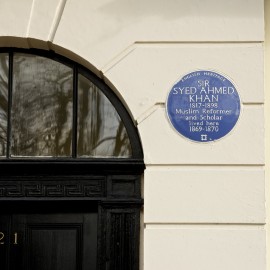
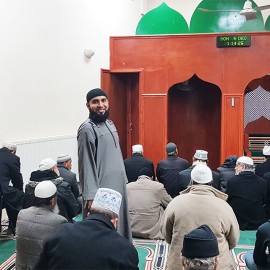

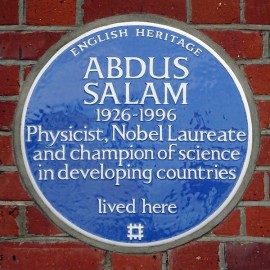
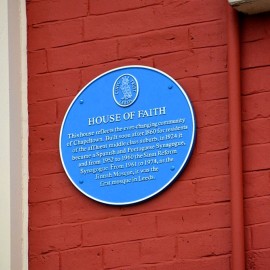








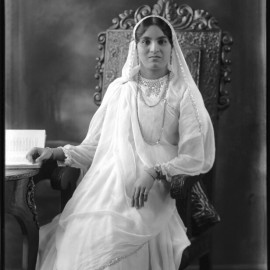
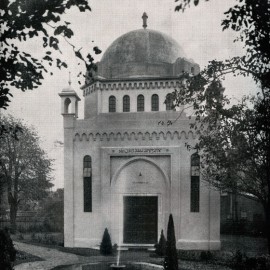
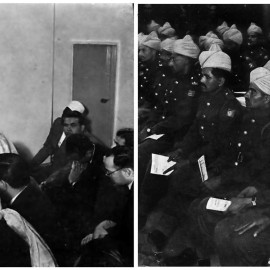
-thumb.jpg)

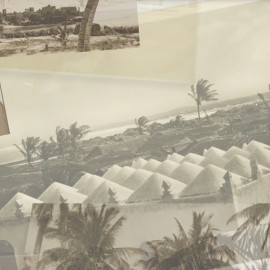


-(1)-thumb.jpg)














-thumb.jpg)



























1600
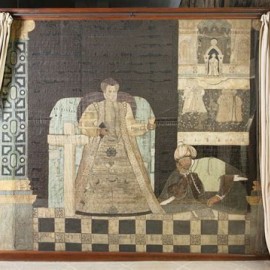
'True Faith and Mahomet' Embroidery
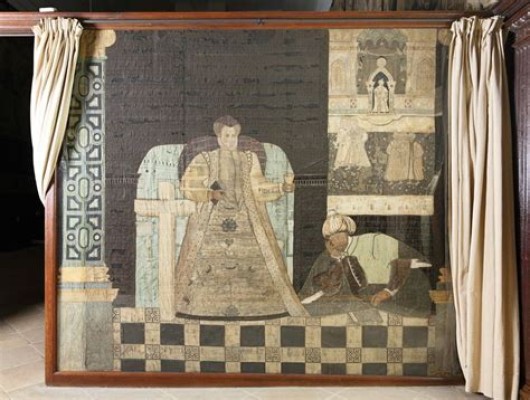
Commissioned by Bess of Hardwick, the sixteenth-century, 'True Faith and Mahomet' embroidery reflects both the friendly trading relationship between Elizabeth I and The Ottoman Empire and the fear of many Christians being 'turned Turk' (Converted to Islam).
This hanging is one of three, commissioned by Bess and made by her household staff. They depict the theological virtues - faith, hope, and temperance - and their opposing vices. They are linked to hangings of the cardinal virtues - justice, prudence, fortitude, and temperance - now displayed on the Chapel Landing at Hardwick.
The tradition of personifying moral qualities stretches back to Ancient Greece and Rome. After the Reformation, the saints that featured in medieval images were replaced by Old Testament or classical figures. Bess's theological virtues are unusual in looking like elite Elizabethan women: Temperance looks suspiciously like Bess, and Faith bears a striking resemblance to Elizabeth I. Only a fragment of Hope and Judas remains.
In the middle ages, Faith was contrasted with idolatry or with the Egyptian priest and arch-heretic Arius. By the Renaissance, the military might of the Ottoman Empire meant that Islam was seen as the greatest threat to the Christian faith. Rumours and stereotypes about Islam and the East circulated widely.

Related links
Sources and Attribution
Virtue and Vice - Conversion Narratives, University of York
Fatima Manji, Hidden Heritage, Rediscovering Britain's Lost Love of the Orient,2022
Licensing
Spotted an issue Report this record