Key
- Building
- Blue plaque
- People
- Walks / Tours / Trails
- Museum and Archive
- Heritage Project
- Organisation or Family History
- Cemeteries & graves
- Academia
- Publication and Articles
- Place
- Digital Resources
- Art & Culture
- Film and TV
- Mosques and Shrines
- Monuments /Memorials
As you move and zoom the map this panel will show you all the records that are currently in view on the map.
-Lord-Mayor-Liverpool,-MQRWU-President-and-founder-of-Liverpool-FC-thumb.jpg)
-(1)-thumb.jpg)
-thumb.jpg)

-thumb.jpg)
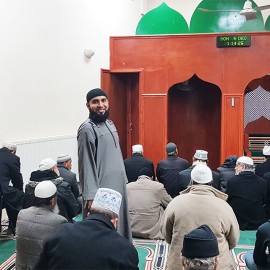

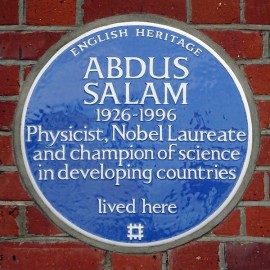
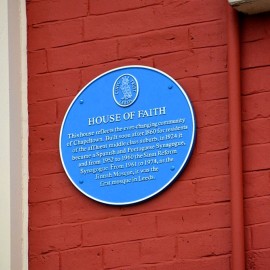




-thumb.jpg)
-(1)-thumb.jpg)




-thumb.jpg)















1930 - 1932
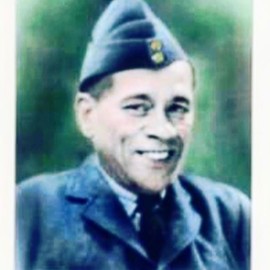
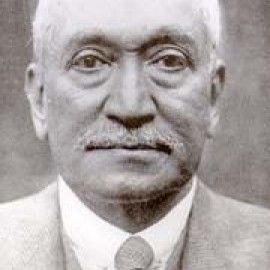
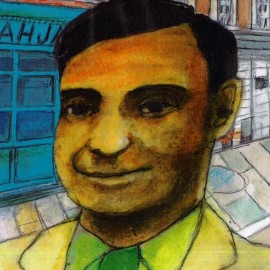
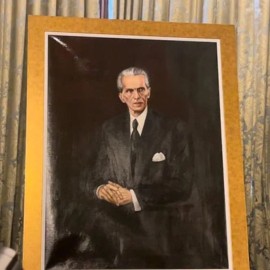
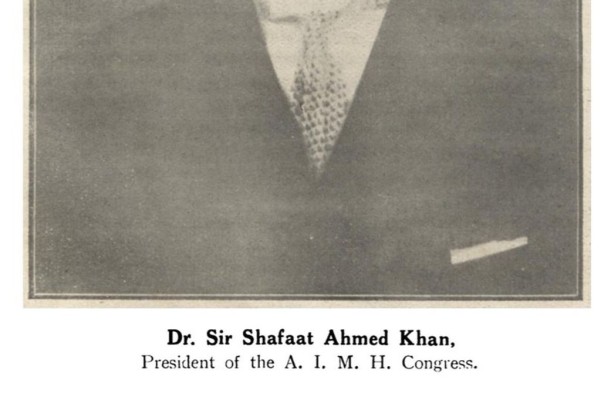
Dr. Shafaat Ahmed Khan & The India Round Table Conference
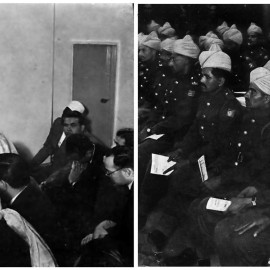
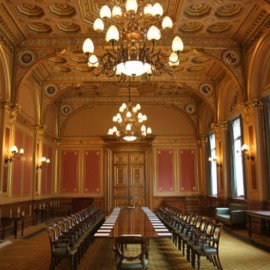
The India Round Table Conferences were a series of 3 talks between 1930-1932. The purpose of these talks was to put forth proposals for the next stage of India’s constitutional development, and discuss the future of the British Empire’s most prized possession.
Over 100 delegates came together, who, in official papers were broken down as the British Delegation, the Indian State Delegation and the British India Delegation.
Unfortunately, members of the Indian National Congress, including their leader Mahatma Gandhi, could not attend because of the Civil Disobedience Movement in India, which led to several members being incarcerated.
The first conference was not very successful, and the British Government saw it necessary to include the Indian National Congress. This in turn led to a second conference in 1931, which was also unsuccessful, and a third conference in 1932, which subsequently led to a similar failed conclusion. The conferences were widely recognised as a failure. However, the discussions and conclusions that took place did help lay the foundation of the Government of India Act (1935), which granted India partial autonomy from Britain.
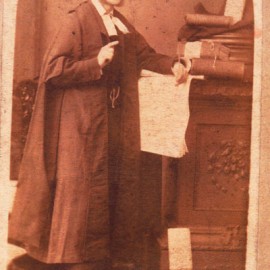
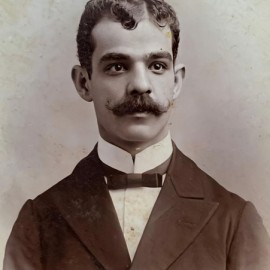
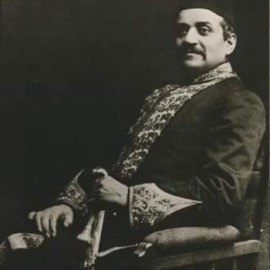
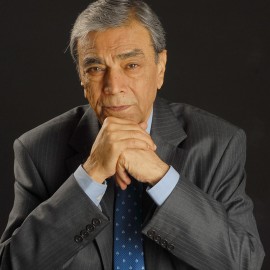
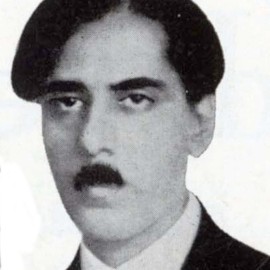
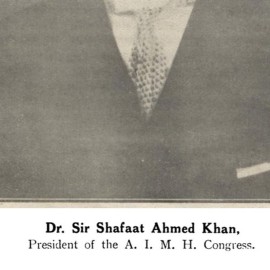
Dr Shafaat Ahmed Khan (1893-1947) was an influential figure dedicated to advocating for the rights of the Muslim minority in British India. He received his education at prestigious institutions such as Sidney Sussex College in Cambridge, Trinity College in Dublin, and the University of London. He was a renowned Professor of Modern History at the University of Allahabad, and amongst his many publications, started the Journal of Indian History in 1924. He was an active participant in all three sessions of the Round Table Conferences.
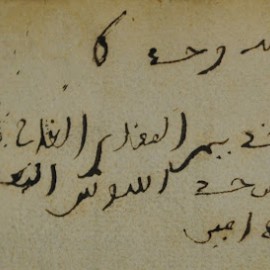
During the third session (December 17th and 19th, 1932), Khan, alongside K.B Hafiz Hidayat Husain, submitted a memorandum emphasising the importance of incorporating fundamental rights for minorities within the Indian Constitution.
Their memorandum stressed the right of the uninterrupted practice of Islam and equal treatment of Muslims in India. Khan also highlighted the significance of Muslim representation in public services to ensure the interests of the Muslim community were adequately considered. Khan firmly believed that Muslim representation in government was essential to restore the community's faith in the governance system. By having elected representatives who could advocate on their behalf, Muslims would feel that the government was working in their favour.
Khan was High Commissioner of South Africa between 1941-1944. In August 1946, he was stabbed seven times in the head, neck and chest in a politically motivated attack. He died in 1947, months before the partition of India. He left behind a wife and 3 daughters. His youngest daughter was only a few months old at the time of his passing, and currently lives in Redbridge, London. She did not get to know her father.
Place of Residence during the Conference:
First Session: 8 Chesterfield Gardens, W1.
Third Session: St James’s Court, Buckingham Gate, SW1.

Related links
Collections this record belongs to
Sources and Attribution
Author: Sabrina Azim
Licensing
Spotted an issue Report this record