Key
- Building
- Blue plaque
- People
- Walks / Tours / Trails
- Museum and Archive
- Heritage Project
- Organisation or Family History
- Cemeteries & graves
- Academia
- Publication and Articles
- Place
- Digital Resources
- Art & Culture
- Film and TV
- Mosques and Shrines
- Monuments /Memorials
As you move and zoom the map this panel will show you all the records that are currently in view on the map.

-Lord-Mayor-Liverpool,-MQRWU-President-and-founder-of-Liverpool-FC-thumb.jpg)
-(1)-thumb.jpg)
-thumb.jpg)


-thumb.jpg)








-thumb.jpg)
-(1)-thumb.jpg)


-thumb.jpg)










1 January 1921
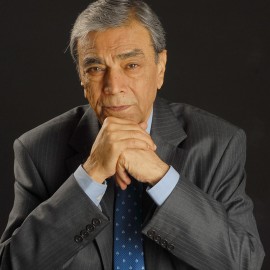
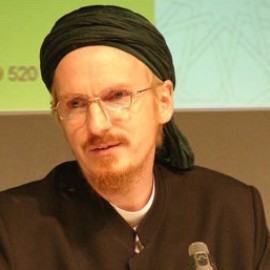
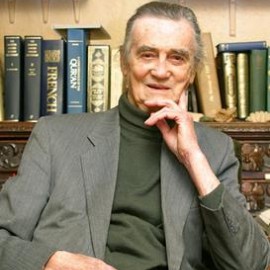
Gai Eaton
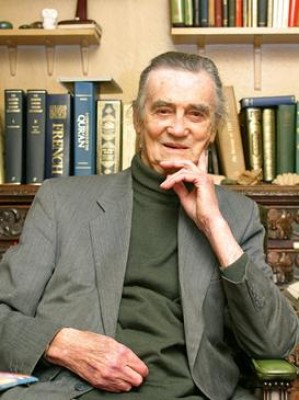

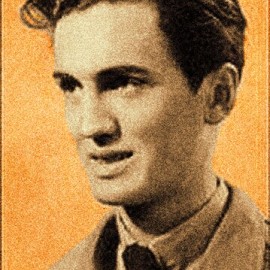
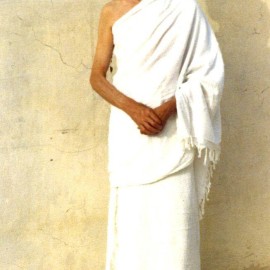
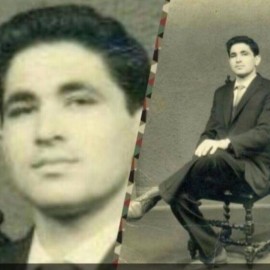
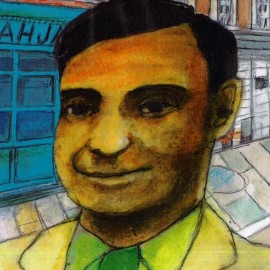
Gai Eaton, born Charles Le Gai Eaton, also known as Hasan le Gai Eaton or Hassan Abdul Hakeem, was born on January 1st, 1921. He was a British diplomat, writer, and prominent Muslim convert who is best known for his insightful writings on Islam and his exploration of the spiritual dimensions of the faith.
Eaton was born into an illustrious family in Switzerland and grew up in an artistic and intellectual environment. His father was an eminent sculptor, while his mother was a successful artist. Eaton's early life was marked by a deep interest in spirituality and a quest for meaning. He explored various philosophical and religious traditions, including Buddhism, before eventually finding his spiritual home in Islam.
In 1951, Eaton joined the British Diplomatic Service and served in various countries, including Jamaica, Egypt, and Malaysia. During his diplomatic career, he had the opportunity to witness first-hand the diversity of Muslim societies and the richness of Islamic culture.
After retiring from diplomacy, Eaton devoted himself to studying and writing about Islam. His most influential work is the book "Islam and the Destiny of Man," first published in 1964. In this seminal work, Eaton explores the essential teachings and principles of Islam, emphasizing its spiritual and ethical dimensions. He presents Islam as a comprehensive way of life that addresses the needs of both individuals and societies.
Eaton's writings reflect a deep understanding of Islamic spirituality, drawing from his own experiences and encounters with various Muslim traditions. He emphasizes the importance of spiritual development and the need for inner transformation to truly live a meaningful and fulfilling life. His works also explore the intersection of Islam and the modern world, addressing issues of social justice, environmentalism, and the challenges faced by Muslims in the contemporary context.
Throughout his life, Eaton remained committed to fostering interfaith dialogue and understanding. He actively participated in conferences and discussions, engaging with scholars, intellectuals, and religious leaders from different backgrounds. His approach was characterized by respect, humility, and a genuine desire to bridge the gaps between different faith traditions.
Gai Eaton passed away on February 26, 2010, leaving behind a rich legacy of writings and insights on Islam. His works continue to inspire and inform both Muslims and non-Muslims, contributing to a greater understanding of the faith and its timeless relevance in the modern world.
Related links
Collections this record belongs to
Sources and Attribution
https://www.theguardian.com/world/2010/apr/19/charles-le-gai-eaton-obituary
Story of Early Life of, H. Gai Eaton, Sh. Hassan Abdul Hakeem - Living Islam
https://khutbahbank.org.uk/v2/2016/06/22/in-memory-of-my-father-hasan-charles-le-gai-eaton/
Licensing
Spotted an issue Report this record