
Key
- Building
- Blue plaque
- People
- Walks / Tours / Trails
- Museum and Archive
- Heritage Project
- Organisation or Family History
- Cemeteries & graves
- Academia
- Publication and Articles
- Place
- Digital Resources
- Art & Culture
- Film and TV
- Mosques and Shrines
- Monuments /Memorials
As you move and zoom the map this panel will show you all the records that are currently in view on the map.





-Lord-Mayor-Liverpool,-MQRWU-President-and-founder-of-Liverpool-FC-thumb.jpg)


-(1)-thumb.jpg)





-thumb.jpg)



-thumb.jpg)
























-thumb.jpg)


-(1)-thumb.jpg)






































-thumb.jpg)










































1 February 1997
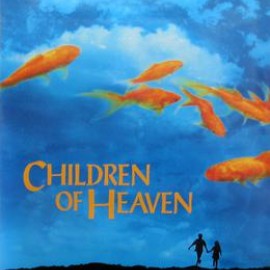
Children of Heaven (1997)
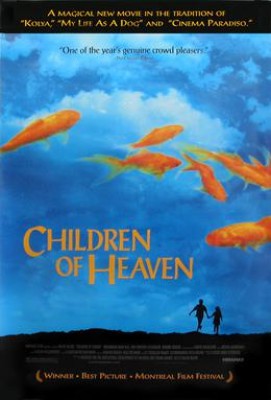
Title: Children of Heaven (1997)
Director: Majid Majidi
Writer: Majid Majidi
Producers: Mohammad Esfandiari
Starring: Amir Farrokh Hashemian, Bahare Seddiqi, Mohammad Amir Naji
Summary:
“Children of Heaven” (1997) is a touching Iranian film that explores themes of innocence, family, and resilience through the story of two siblings, Ali and Zahra, living in a poor neighbourhood in Tehran. Written and directed by Majid Majidi, the film was nominated for the Academy Award for Best Foreign Language Film, gaining international acclaim for its heartfelt depiction of childhood struggles and universal values.
Plot Overview:
The film begins with Ali accidentally losing his younger sister Zahra’s only pair of shoes. Fearing their father’s anger, the siblings decide to keep the loss a secret. Zahra agrees to share Ali’s shoes, alternating them between school hours. This arrangement creates challenges as the siblings navigate their daily lives, trying to avoid discovery while maintaining their responsibilities.
Ali learns of a school race where the third prize is a pair of sneakers. He enters the competition, not aiming to win first place but to secure the shoes for Zahra. The climax of the film beautifully captures Ali’s determination and selflessness, showcasing his love for his sister. Despite his best efforts, Ali wins first place, leaving him empty-handed but still hopeful.
Family Values and Sacrifice:
Children of Heaven is a celebration of familial love and sacrifice, core values within Muslim communities worldwide. Ali’s devotion to Zahra mirrors the emphasis on sibling bonds and mutual care found in many Muslim families. The film highlights the struggles of providing for loved ones in challenging circumstances, a reality many working-class families, particularly within immigrant communities, can relate to.
Economic Struggles and Dignity:
The film sensitively portrays the struggles of a family living in poverty without resorting to despair or pity. This narrative is particularly resonant for British Muslims from working-class or immigrant backgrounds, who often balance limited resources with aspirations for a better future. The father’s dedication to his family and Ali’s resourcefulness reflect a shared ethos of resilience and dignity.
Innocence of Childhood:
Children of Heaven reminds audiences of the purity and optimism of children, even in difficult circumstances. Parents watching this film might see parallels with their own children’s experiences of navigating a world of limited resources while maintaining a sense of hope and ambition.
Building Cross-Cultural Understanding
The film also serves as a bridge for non-Muslim audiences, showcasing the shared values of love, resilience, and family that transcend cultural and religious boundaries. This makes it a powerful tool for fostering empathy and understanding in today’s multicultural society.
Filming Locations:
Shot entirely in Tehran, the film captures the bustling streets and modest neighbourhoods of the city, providing an authentic glimpse into everyday life in Iran.
Cultural Representation:
Majid Majidi’s direction reflects his deep commitment to portraying the beauty of human relationships within a distinctly Islamic cultural framework.
Awards and Recognition:
Nominated for the Academy Award for Best Foreign Language Film (1998).

Sources and Attribution
https://www.academia.edu/79339667/Teaching_Moral_Values_Through_the_Film_Children_of_Heaven_A_Review_and_Qualitative_Analysis_of_Islam_as_a_Way_of_Life
https://www.academia.edu/9182007/AN_ANALYSIS_OF_THE_SIBLINGS_BOND_IN_THE_IRANIAN_MOVIE_CHILDREN_OF_HEAVEN_
https://www.imdb.com/title/tt0118849/
Licensing
Spotted an issue Report this record